
Launch records
ISRO's rockets: PSLV, GSLV and LVM3
Every flight of India's orbital rockets since 1993, counted by rocket, with each failure listed.
Updated
How many times have ISRO's rockets flown?
94 orbital flights since 1993
PSLV 64, GSLV 19, LVM3 8, SSLV 3. LVM3 has not failed in 8 flights to orbit. PSLV's last two flights, in May 2025 and January 2026, both failed.
Record by rocket
| Rocket | First flight | Flights | Failures, our count | Failures, ISRO's count |
|---|---|---|---|---|
| PSLV | 20 September 1993 | 64 | 5 | 4 |
| GSLV | 18 April 2001 | 19 | 6 | 4 |
| LVM3 | 5 June 2017 (first flight to orbit; a suborbital test flew on 18 December 2014) | 8 | 0 | 0 |
| SSLV | 7 August 2022 | 3 | 1 | 1 |
Older rockets, SLV-3 (1979 to 1983) and ASLV (1987 to 1994), are not included. The GSLV row counts both the Mk I and the Mk II.
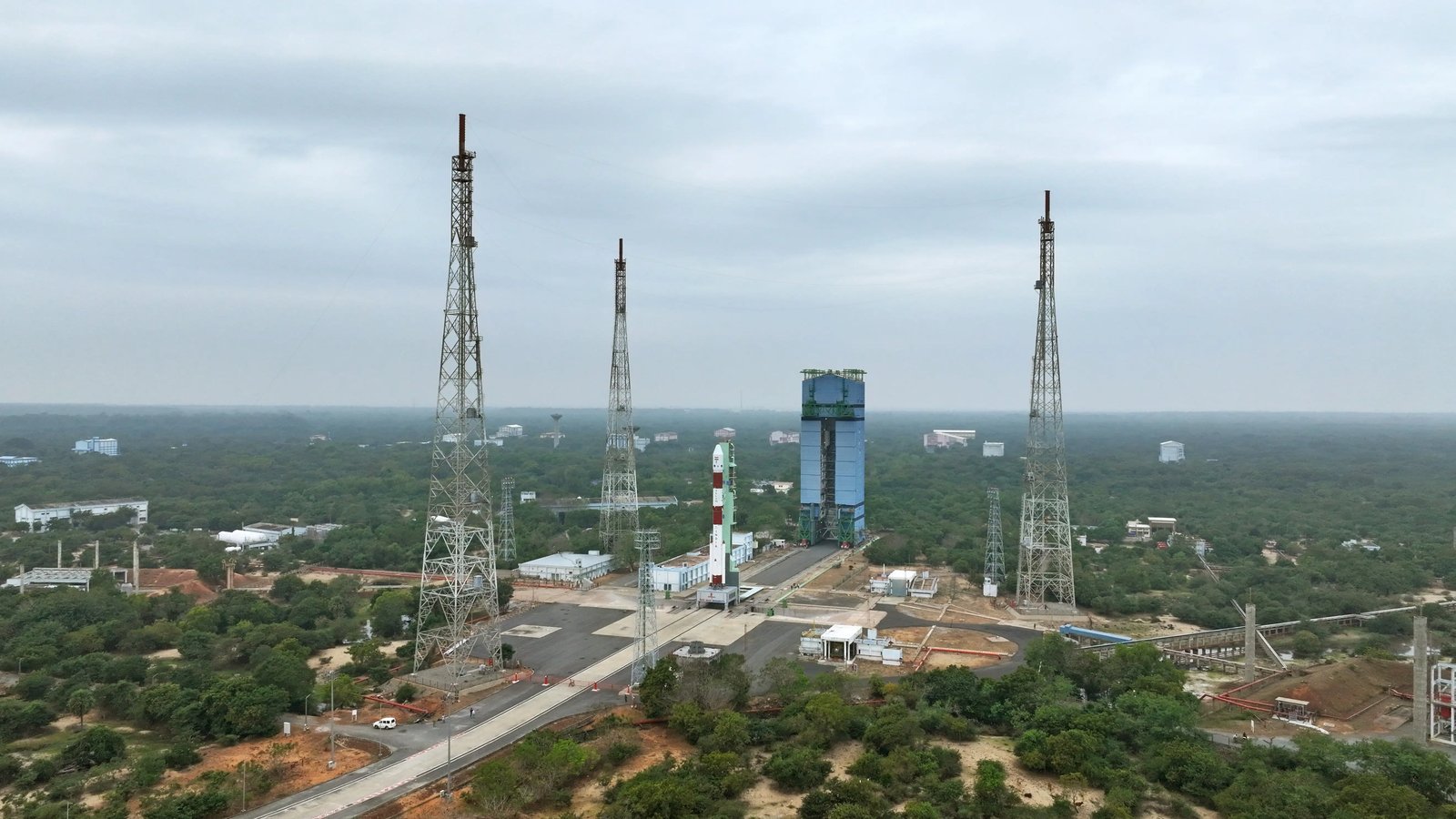
PSLV: 64 flights
Last success: PSLV-C60 with SpaDeX, 30 December 2024.
| Date | Flight | Satellite | Counted as a failure by |
|---|---|---|---|
| 20 Sep 1993 | PSLV-D1 | IRS-1E | ISRO and us |
| 29 Sep 1997 | PSLV-C1 | IRS-1D | Us only. The satellite reached a lower orbit than planned. We count the launch as a failure; ISRO does not list it as one. |
| 31 Aug 2017 | PSLV-C39 | IRNSS-1H | ISRO and us |
| 18 May 2025 | PSLV-C61 | EOS-09 | ISRO and us |
| 12 Jan 2026 | PSLV-C62 | EOS-N1 | ISRO and us |
GSLV: 19 flights
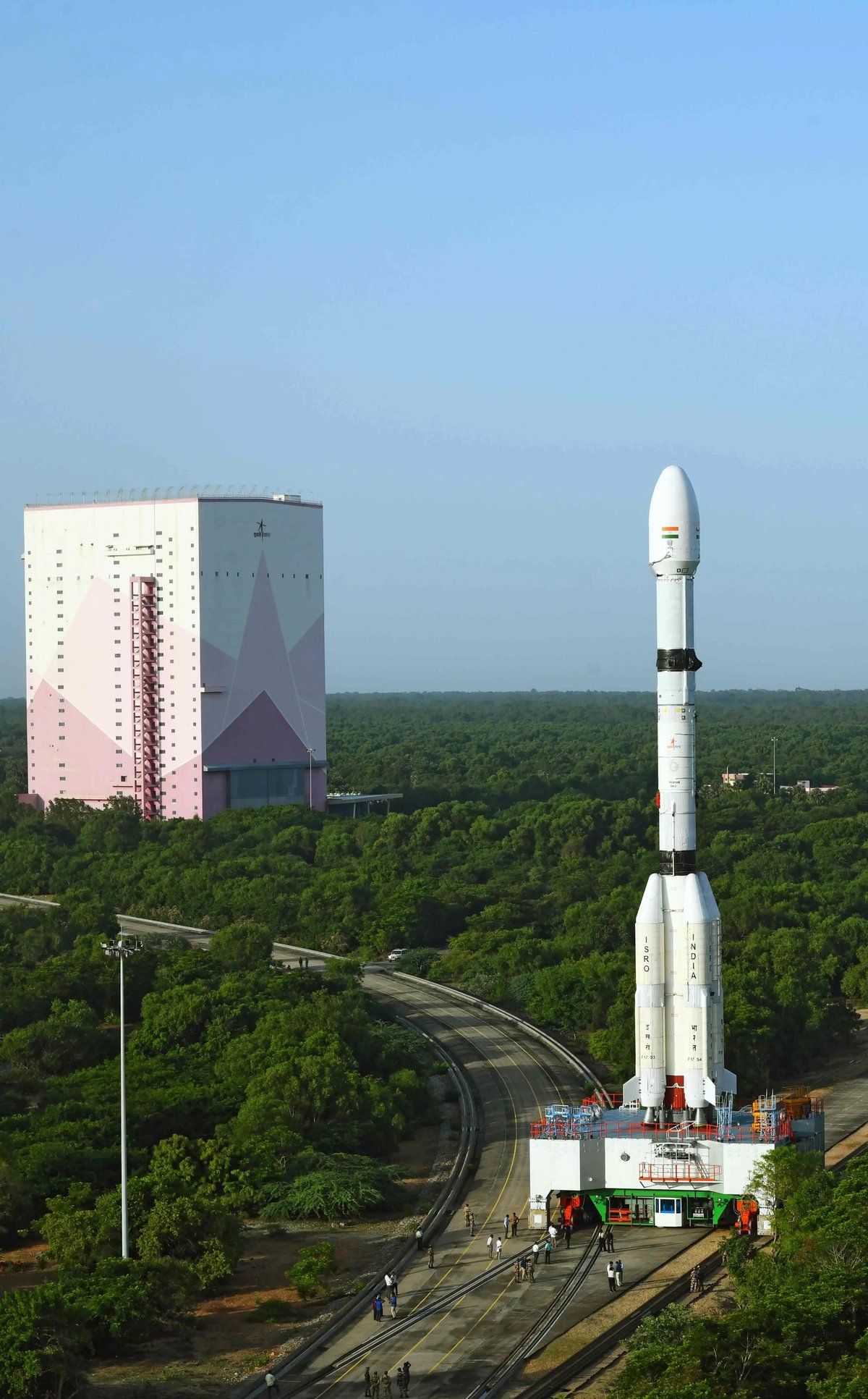
Last success: GSLV-F17 with GISAT-1A (EOS-05), 3 September 2026 UTC (4 September in India). Next: GSLV-F18 with NVS-03, see the launch time page.
| Date | Flight | Satellite | Counted as a failure by |
|---|---|---|---|
| 18 Apr 2001 | GSLV-D1 | GSAT-1 | Us only. The satellite was left short of its planned orbit. We count the launch as a failure; ISRO does not list it as one. |
| 10 Jul 2006 | GSLV-F02 | INSAT-4C | ISRO and us |
| 2 Sep 2007 | GSLV-F04 | INSAT-4CR | Us only. The satellite reached a lower orbit than planned. We count the launch as a failure; ISRO does not list it as one. |
| 15 Apr 2010 | GSLV-D3 | GSAT-4 | ISRO and us |
| 25 Dec 2010 | GSLV-F06 | GSAT-5P | ISRO and us |
| 12 Aug 2021 | GSLV-F10 | EOS-03 | ISRO and us |
LVM3: 8 flights
Last success: LVM3-M6 with BlueBird 6, 24 December 2025. No failures.
SSLV: 3 flights
Last success: SSLV-D3 with EOS-08, 16 August 2024.
| Date | Flight | Satellite | Counted as a failure by |
|---|---|---|---|
| 7 Aug 2022 | SSLV-D1 | EOS-02 | ISRO and us |
Frequently asked questions
Which is ISRO's most used rocket?
PSLV, the Polar Satellite Launch Vehicle. It has flown 64 times since 1993. ISRO calls it its "work horse".
Has LVM3 ever failed?
No. LVM3 has made 8 flights to orbit, all successful, including Chandrayaan-3 in July 2023. A suborbital test in December 2014 is not counted here.
Why do ISRO's failure numbers differ from yours?
On three flights the satellite reached orbit, but a lower one than planned: PSLV-C1 in 1997, GSLV-D1 in 2001 and GSLV-F04 in 2007. Our launch data counts those as failures. ISRO's launch lists do not. We show both.
What is the difference between PSLV, GSLV and LVM3?
PSLV mostly carries satellites to lower orbits, GSLV carries satellites of about 2 tonnes towards geostationary orbit, and LVM3 is the heaviest. See PSLV vs GSLV vs LVM3.
How many ISRO launches have there been in 2026?
See ISRO launches in 2026 and the 2026 scoreboard for every country.
How we count
- Orbital flights only. Flight counts and dates are in UTC, so a late-night launch in India can show the day before.
- "Our count" uses the same launch results as our 2026 scoreboard. "ISRO's count" is the flights ISRO lists as not successful.
- We check these numbers by hand after each ISRO launch. The Updated line shows when we last did.
More on ISRO
- ISRO: rockets, launches and missions
- ISRO launches in 2026
- GSLV: full form, versions and launches
- When is ISRO's next launch?
Sources: ISRO: launchers; ISRO: PSLV launches; ISRO: GSLV launches.
Launch alerts
Get The Space Road weekly.
Free. Every Sunday: the past week in spaceflight and what to watch next week. Unsubscribe any time. Read past issues · Privacy
Launch data: The Space Devs / Launch Library 2. Snapshot taken . Launch times change often; check the launch provider's official channels before you plan around one.