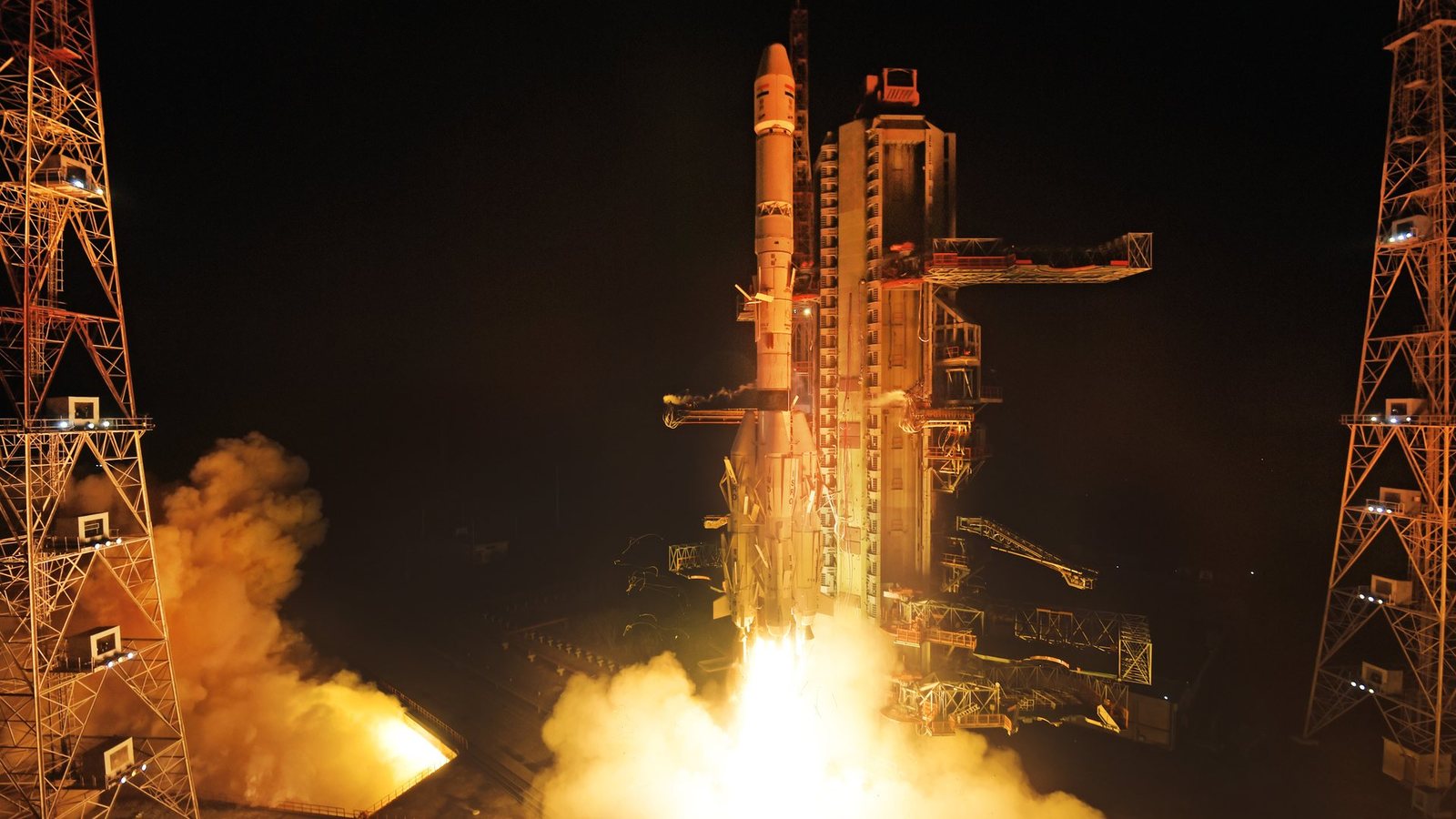

GSLV-F18 lifted off from Sriharikota at 11:51 PM India Standard Time (IST) on Friday 30 October 2026 and placed NVS-03, India's newest navigation satellite, in its intended orbit. "Mission Success! GSLV-F18 has successfully placed NVS-03 in the intended orbit," the Indian Space Research Organisation (ISRO) said on X at 12:23 AM IST on 31 October. ISRO had announced the liftoff at 11:51 PM IST, the time it had targeted.
Status as of 12:45 AM IST, 31 October 2026: mission success, per ISRO. NVS-03 is off the rocket and in its intended transfer orbit. Next, the satellite raises its own orbit.
By our count, GSLV-F18 is the 246th successful orbital launch in the world in 2026, the 3rd from India and ISRO's 2nd of the year. We count successful orbital launches only. The full tally is on our 2026 launch scoreboard and ISRO's year is on ISRO launches in 2026.
What happened on the GSLV-F18 launch?
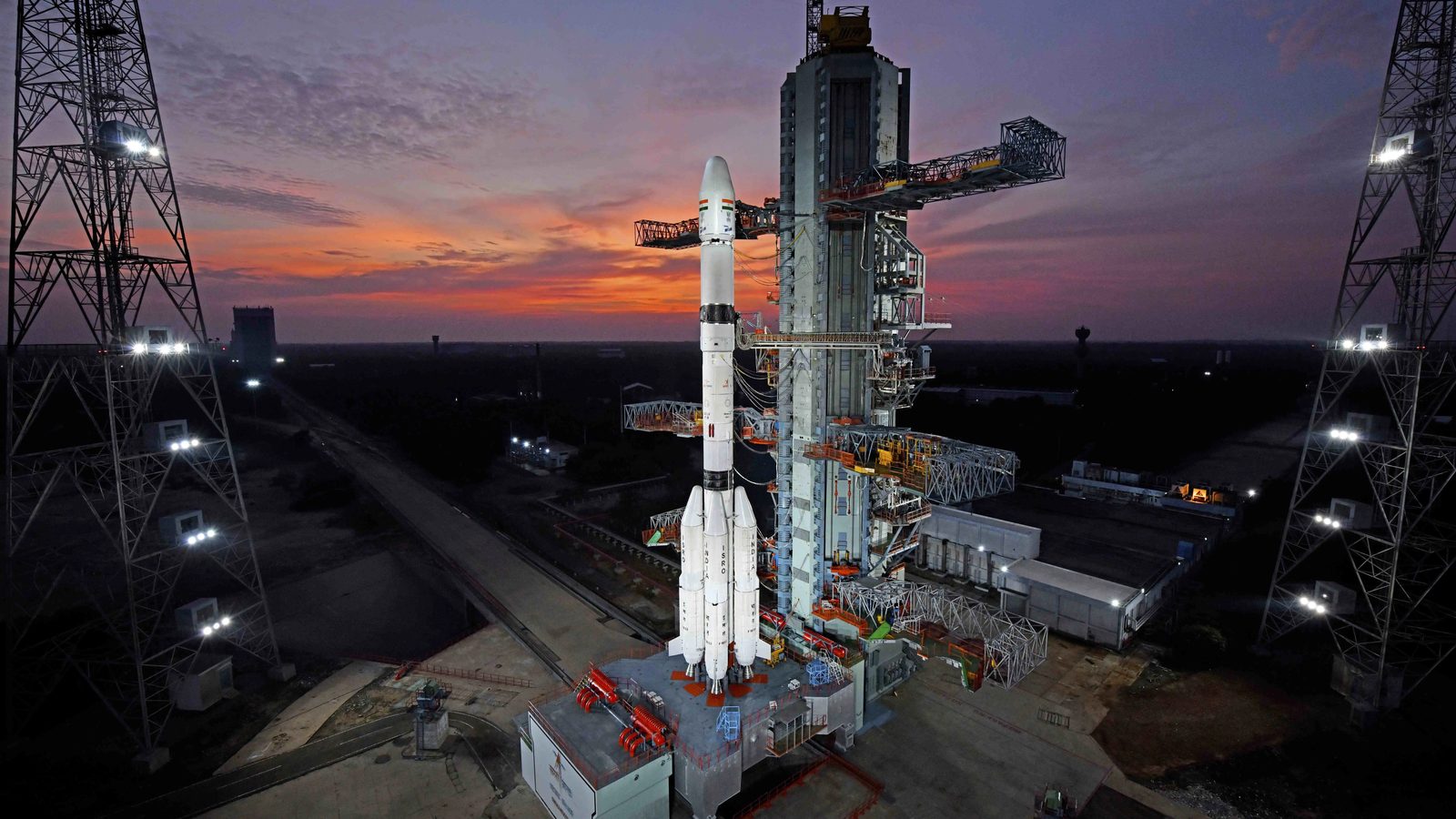
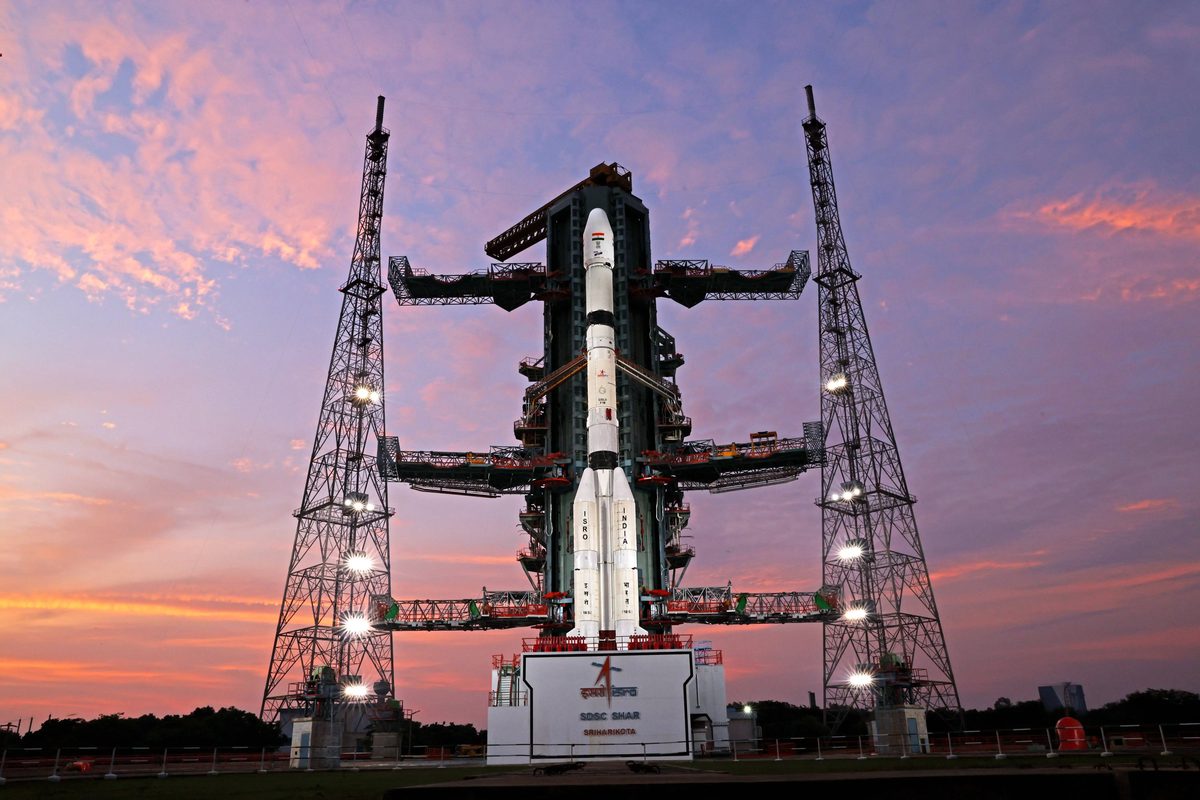
The rocket lifted off from the Second Launch Pad at Satish Dhawan Space Centre (SDSC SHAR), Sriharikota, ISRO's launch centre on the coast of Andhra Pradesh. ISRO's post said: "LIFT-OFF! GSLV-F18 carrying NVS-03 lifts off from Satish Dhawan Space Centre, SHAR, Sriharikota." ISRO streamed the launch live on YouTube.
About half an hour after liftoff, ISRO declared the mission a success, with NVS-03 in the intended orbit. ISRO hasn't yet published a stage-by-stage account of the flight or the exact orbit achieved. We'll add them when it does.
Did NVS-03 reach the right orbit?
Yes. ISRO said GSLV-F18 "successfully placed NVS-03 in the intended orbit". That means the satellite separated from the rocket's upper stage in the transfer orbit ISRO planned. ISRO's post gave no figures for the orbit achieved.
Here is the orbit ISRO planned, from its mission brochure. It is a geosynchronous transfer orbit (GTO), an elongated orbit used as a stepping stone to a higher, circular one:
| Planned orbit (ISRO brochure) | |
|---|---|
| Perigee (lowest point) | 170 km |
| Apogee (highest point) | 37,023 km |
| Inclination | 20.75° ± 0.1° |
| Launch azimuth | 106° |
| Satellite mass | about 2,250 kg |
What happens next?
NVS-03 now has to raise its own orbit. The rocket's job ends at the transfer orbit. From there, the satellite fires its own engine, the one meant for orbit raising, to lift its lowest point and turn the elongated orbit into a circular geosynchronous one. ISRO described these steps for the previous satellite in the series, NVS-02: "orbit raising operations from the elliptical to circular orbit".
ISRO hasn't yet published the schedule for NVS-03's burns or the final orbital slot it will take up. We'll add them when it does.
This is the step that went wrong last time. NVS-02 reached the same kind of transfer orbit in January 2025, separated cleanly and deployed its solar panels. Then its orbit-raising engine never fired. ISRO's review found that the signal to open a valve on the engine's oxidiser line never arrived, most likely because a connector came loose. ISRO says it changed its pyro systems after that, the changes worked on CMS-03 in November 2025, and they will be followed on future missions.
Our view: launch night went to plan. The real test for NavIC is the orbit-raising burns in the coming days.
What is NVS-03, and what does it do for NavIC?
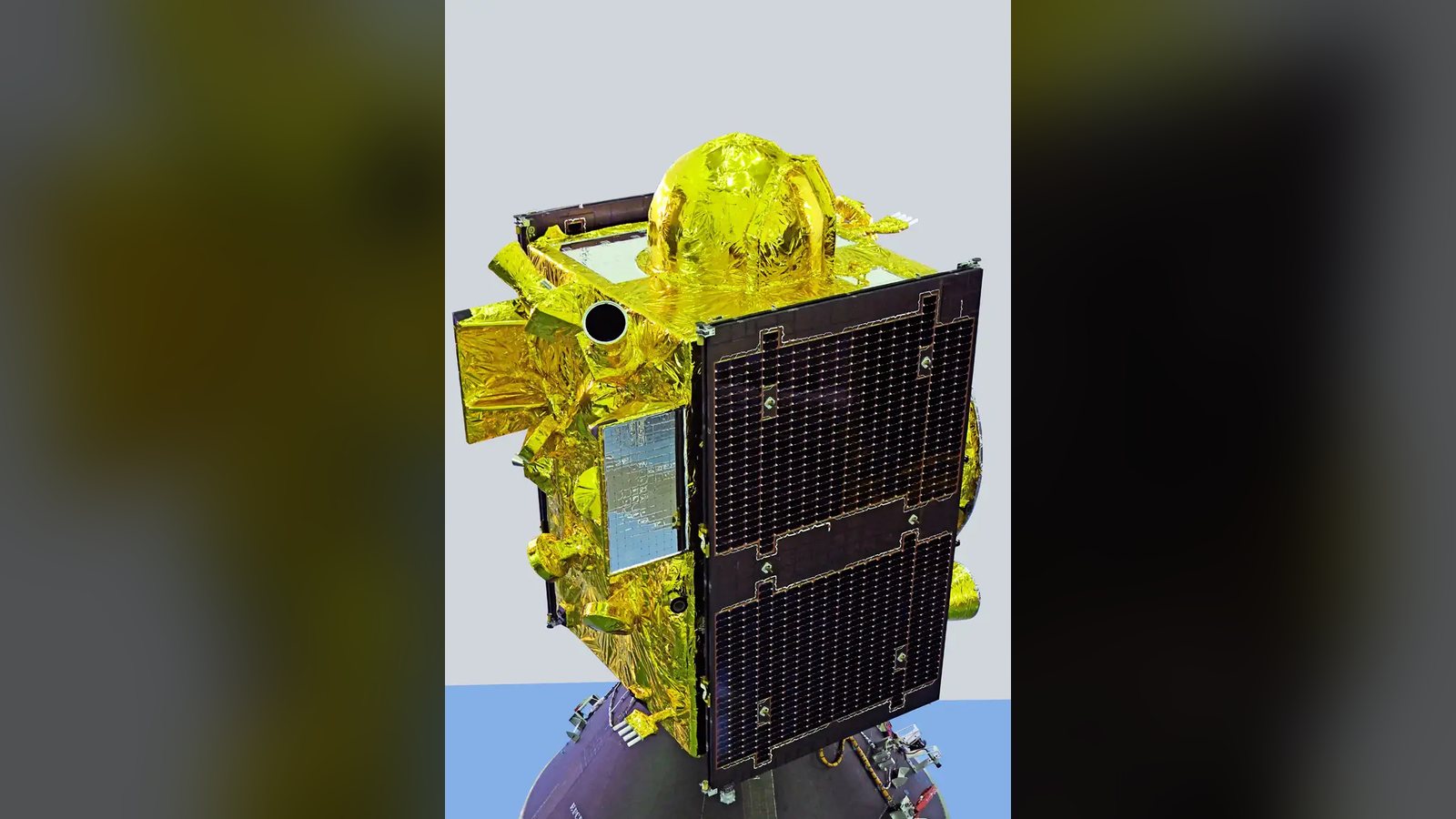
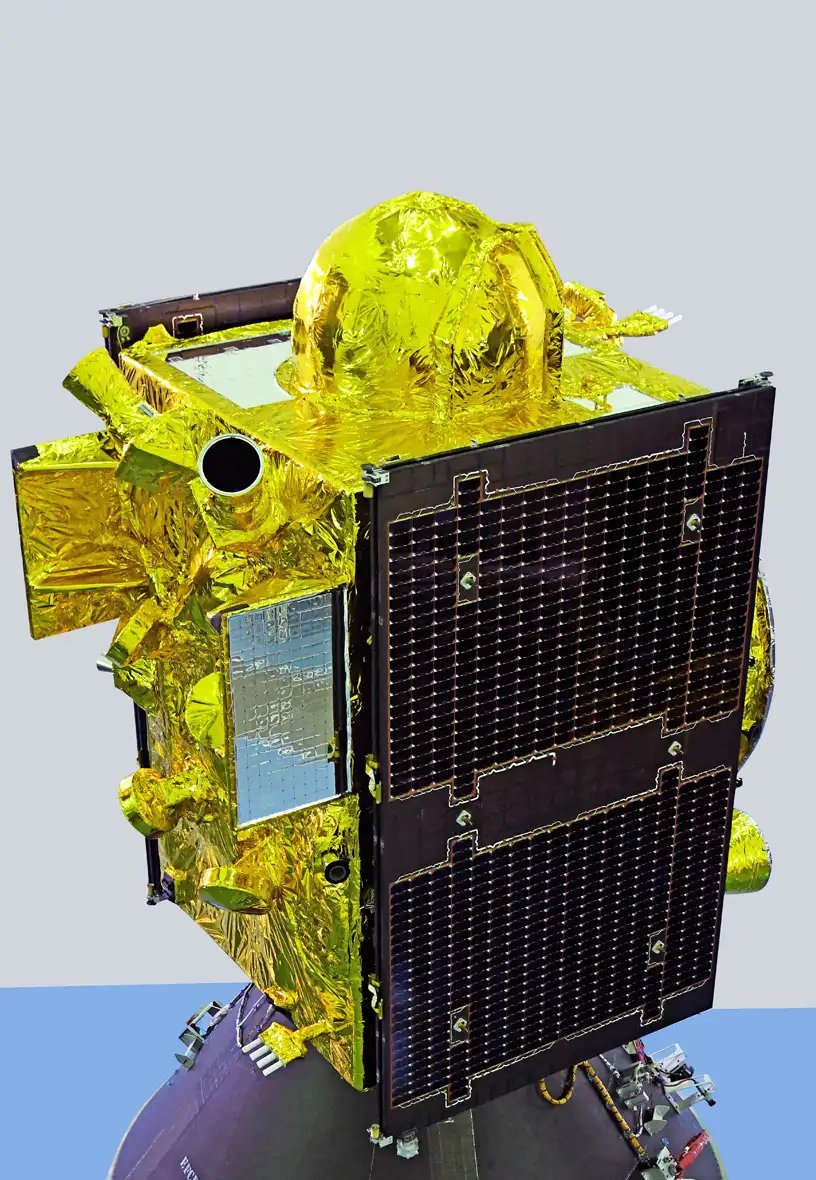
NVS-03 is the third satellite in ISRO's second-generation NVS series for Navigation with Indian Constellation (NavIC), India's own regional satellite navigation system. ISRO's brochure says NVS-03 is meant to provide "continuity of navigation services" for the older IRNSS satellites. NavIC covers India and a region about 1,500 km beyond its borders.
According to ISRO, NVS-03:
- carries an atomic clock built in India, along with imported (procured) atomic clocks. Faulty clocks are the main reason NavIC has lost satellites.
- adds the L1 signal to NavIC's existing L5 and S-band signals. L1 is the band most phones and civilian receivers already use for GPS.
Why it matters. NavIC is short of working satellites. In July, the government told Parliament that only three NavIC satellites were giving positioning, navigation and timing services, India Today reported. A receiver needs at least four satellites to fix a position. Then in March 2026 the atomic clock on IRNSS-1F stopped, three days after it finished its 10-year design life, ISRO said.
Our view: if NVS-03 reaches its slot and starts working, it gets NavIC back to the four satellites it needs to give a position on its own.
For the full background, read What is NVS-03, and why does India's NavIC need it?
What happened to NVS-02?
NVS-02 launched on GSLV-F15 on 29 January 2025. The rocket did its job, but the satellite's engine could not raise its orbit, so NVS-02 never reached its working orbit (more on that above).
What rocket is GSLV?
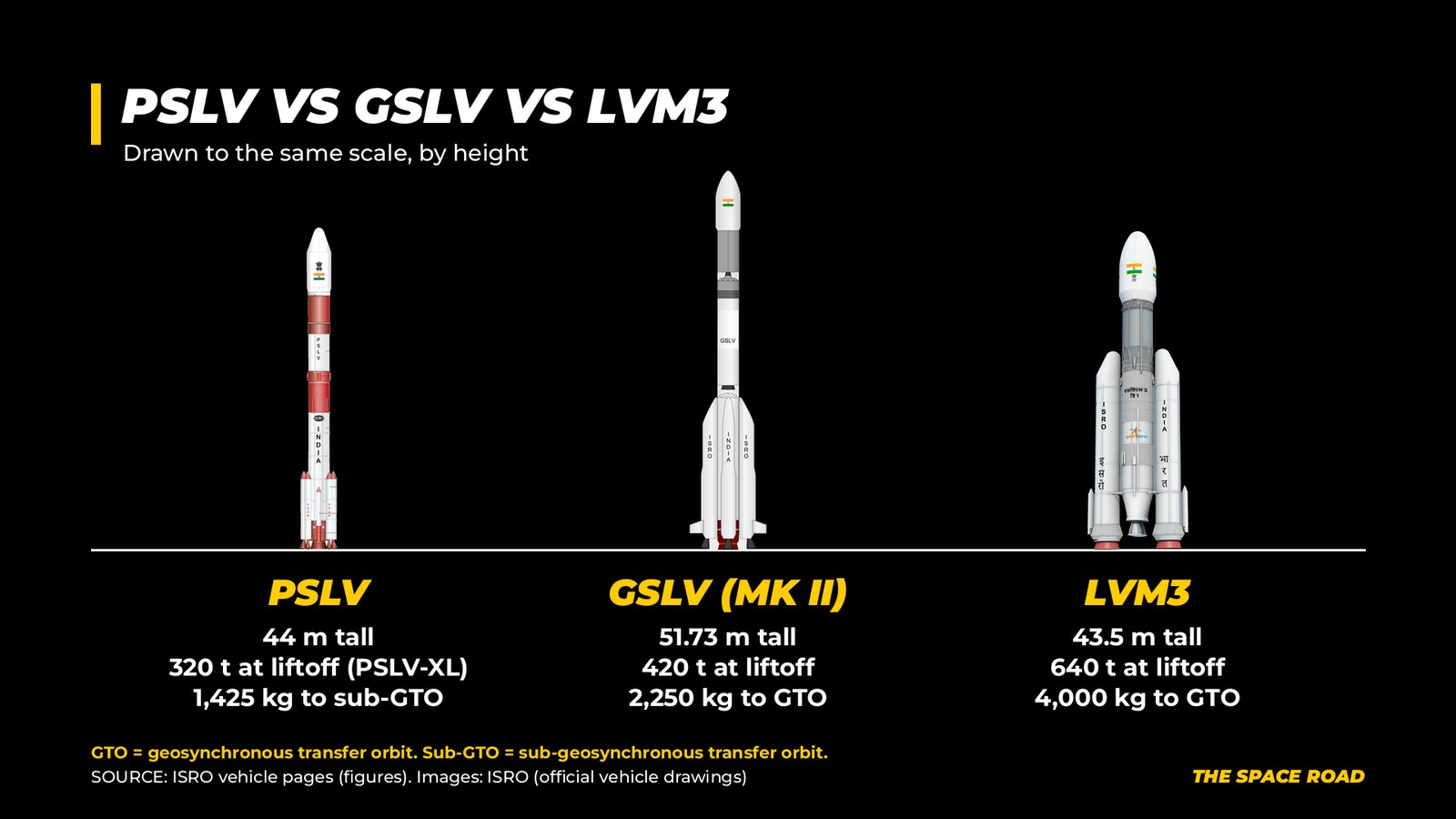
The Geosynchronous Satellite Launch Vehicle (GSLV) Mk II is ISRO's three-stage rocket for satellites of about 2 tonnes going towards geosynchronous orbit. For GSLV-F18, ISRO's brochure gives a height of about 50 m and a liftoff mass of about 420 tonnes. Its first stage has four liquid strap-on boosters around a solid core, the second stage is liquid-fuelled, and the third is cryogenic, burning liquid hydrogen and liquid oxygen. NVS-03 flew inside a 3.4 m metal nose fairing.
ISRO calls GSLV-F18 the 20th GSLV flight. Before it, ISRO's GSLV launch list had 19 flights, of which four did not succeed. The previous one, GSLV-F17 with EOS-05, launched on 4 September 2026. Compare ISRO's rockets on ISRO's rockets, and see GSLV: full form, versions and launches.
What's next for ISRO?
ISRO hasn't announced a date for its next launch. The missions it has talked about are:
- Gaganyaan G1, the first uncrewed test flight of India's human spaceflight programme, on the human-rated LVM3 rocket. ISRO said on 16 October that G1 is targeted for 2026. On 24 October, ISRO chairman V Narayanan said it would fly in about two months, UNI reported.
- PSLV-C63 with TDS-01, a technology demonstration satellite. The Department of Space listed it among planned missions, but it has not flown.
- More NavIC satellites. The government has said NVS-04 and NVS-05 are in advanced stages of development.
Our ISRO's next launch page tracks what comes next, and our ISRO agency page covers the whole programme. For time details from launch night, see the GSLV-F18 launch time page.