NASA's Artemis plan explained: Artemis III in summer 2027, a Moon landing in 2028
NASA now targets summer 2027 for Artemis III, a crewed test with both Moon landers in Earth orbit, and a first landing in 2028. Here is the updated plan.
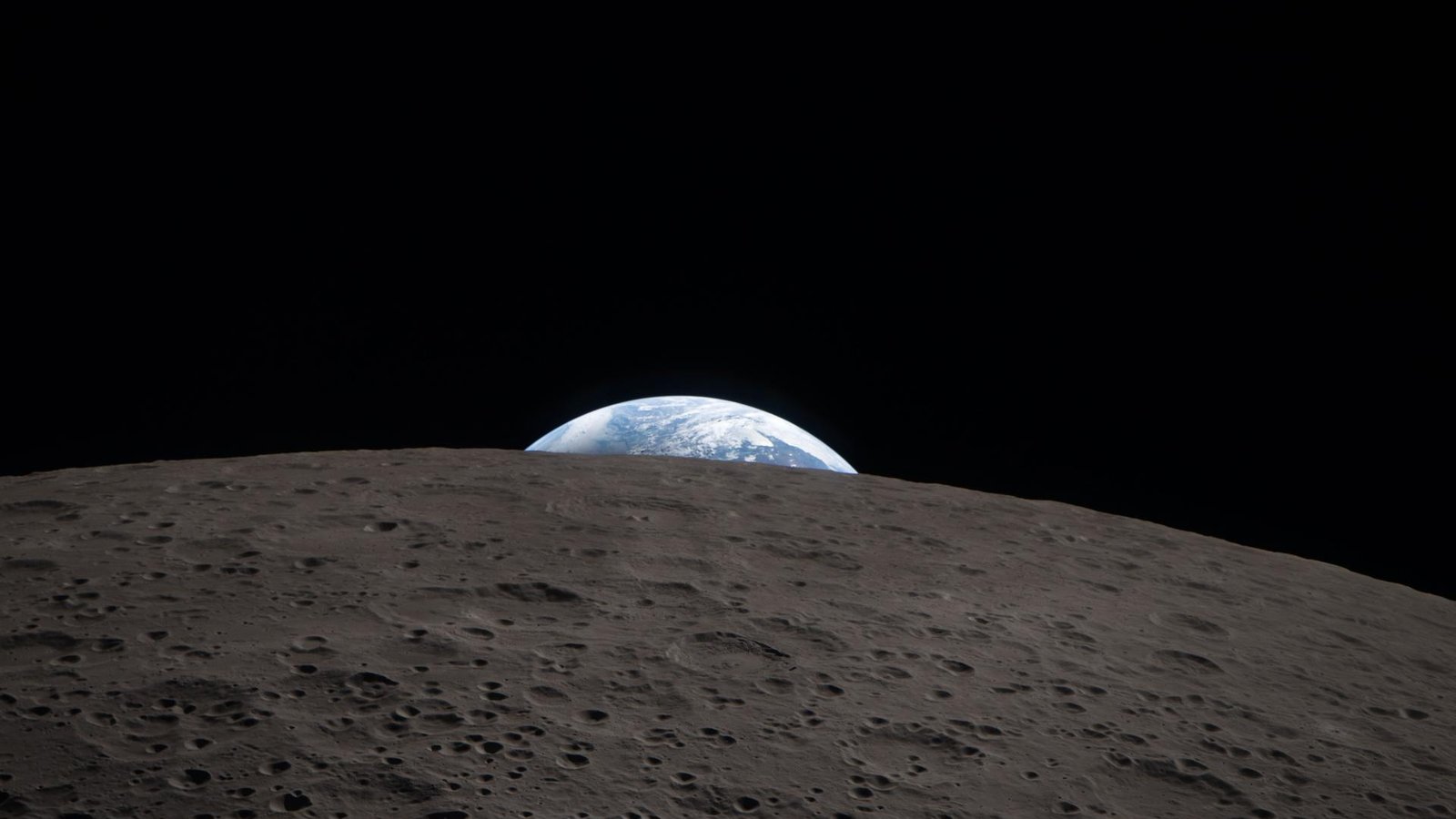
NASA is aiming to land astronauts on the Moon in 2028, on a mission called Artemis IV. It would be the first crewed landing since Apollo 17 in 1972. Before that, a crew will fly Artemis III, now targeted for summer 2027. It is a test flight in Earth orbit in which the astronauts dock with test versions of the new Moon landers built by SpaceX and Blue Origin.
NASA set out the latest plan at an "Artemis acceleration" news conference at Kennedy Space Center on 23 October 2026, with administrator Jared Isaacman, associate administrator Amit Kshatriya and Artemis program leader Jeremy Parsons. NASA still has not picked which lander will carry the first crew. All of these dates are targets, not promises. As Isaacman put it, "no amount of my enthusiasm or schedule pressure changes the laws of physics."
Updated after the 23 Oct 2026 news conference. Times are local time at the launch or landing site. We will update this page as the plan changes.
What is the Artemis program?
Artemis is the National Aeronautics and Space Administration's (NASA) program to send astronauts back to the Moon. This time the aim is to stay, not just to visit. NASA plans a run of increasingly difficult missions to explore more of the Moon, build a permanent Moon base and, in its own words, "build on our foundation for the first crewed missions to Mars."
The name comes from Greek mythology. Artemis was the twin sister of Apollo, the god who gave his name to the Moon missions of the 1960s and 1970s.
Apollo was a race to plant a flag. Artemis is meant to be slower and steadier: landings near the Moon's south pole, rovers, robotic cargo landers and, eventually, a base where crews can live for longer periods. NASA also wants private companies to do much more of the work. Its two Moon landers are a version of SpaceX's Starship and Blue Origin's Blue Moon.
What has Artemis done so far?
Two missions have flown, both from Launch Pad 39B at NASA's Kennedy Space Center in Florida.
Artemis I (November 2022) had no crew. NASA's Space Launch System (SLS) rocket launched the Orion capsule on 16 November 2022 at 1:47 a.m. EST. Orion flew around the Moon and splashed down in the Pacific Ocean off San Diego on 11 December 2022 at 9:40 a.m. PST, after 25 days, 10 hours and 53 minutes. The flight worked, but Orion's heat shield lost more material than expected on the way back through the atmosphere. NASA changed the return path for the next flight to reduce the stress on it.
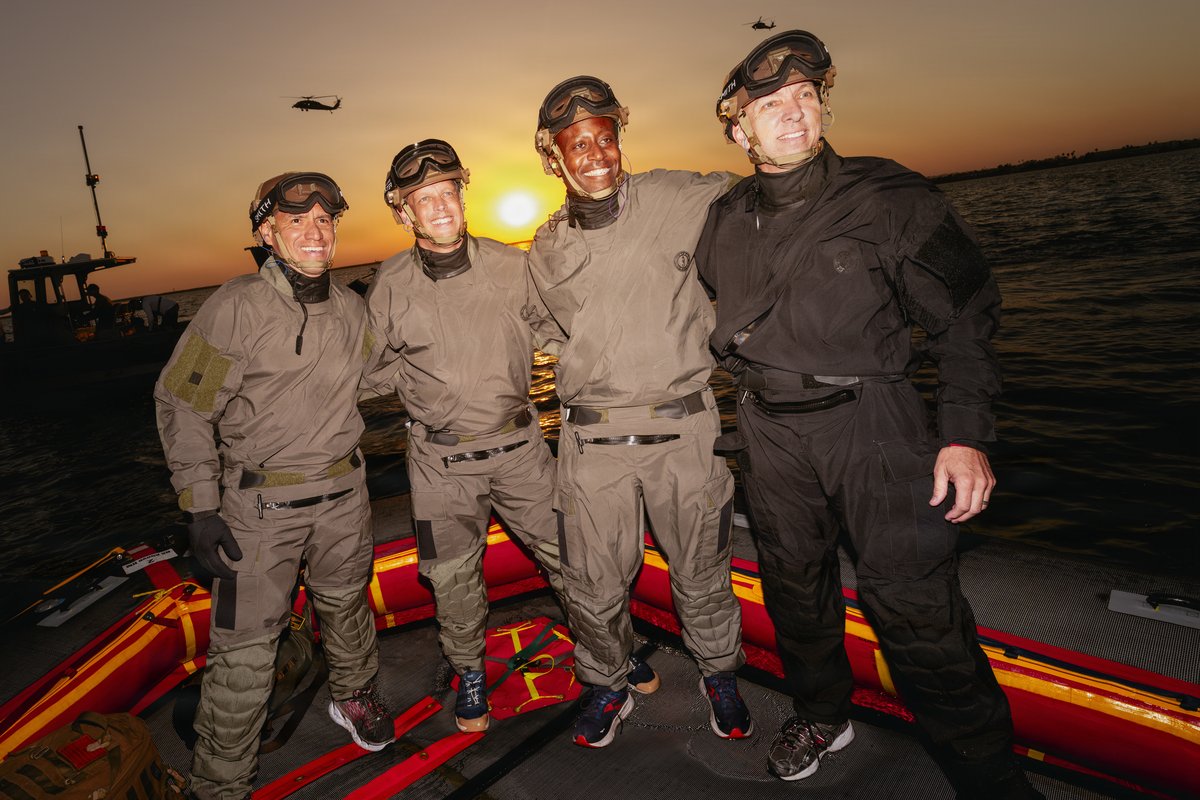
Artemis II (April 2026) was the first time people had flown to the Moon since 1972. It launched on 1 April 2026 at 6:35 p.m. EDT. The crew was:
- Reid Wiseman, commander (NASA)
- Victor Glover, pilot (NASA)
- Christina Koch, mission specialist (NASA)
- Jeremy Hansen, mission specialist (Canadian Space Agency, CSA)
The crew named their Orion capsule Integrity. They flew around the far side of the Moon on 6 April and reached 252,756 miles from Earth. That is the farthest any human has travelled, beating the record set by Apollo 13 in 1970. They splashed down off San Diego on 10 April 2026 at 5:07 p.m. PDT, after a flight of 9 days, 1 hour and 32 minutes, and were flown by helicopter to the USS John P. Murtha.
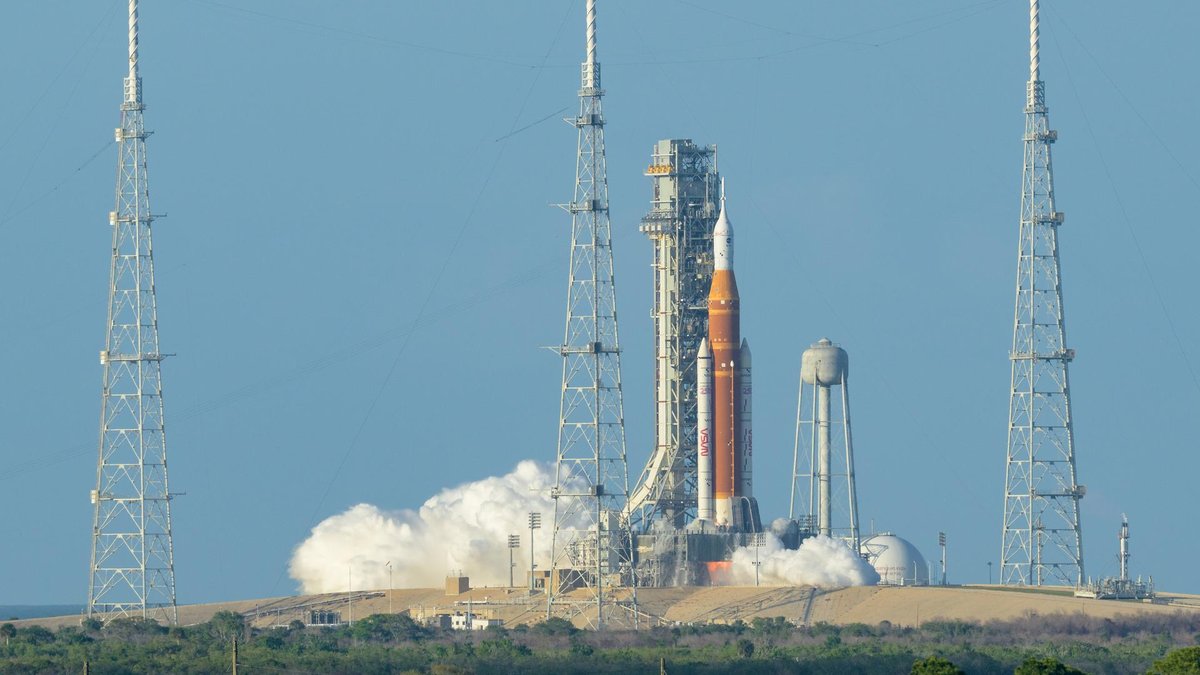
What did it prove? It was the first time SLS and Orion carried people, and the first time Orion's life support systems ran with a crew on board. The astronauts also flew Orion by hand in high Earth orbit to test how it handles. Since the flight, NASA says its analysis confirms the heat shield performed as expected, and the launch pad needed only minor repairs. At the October news conference, Kshatriya said SLS placed Orion into orbit with 99.987% accuracy: the high point of the orbit came out at 1,200.21 nautical miles against a planned 1,200.
What changed in 2026?
On 27 February 2026, NASA announced a major overhaul of the plan at a news conference at Kennedy. Until then, Artemis III was meant to be the first landing. Under the new plan:
- Artemis III becomes a test flight in low Earth orbit (LEO) in 2027, with no Moon landing.
- Artemis IV becomes the first landing, then targeted for early 2028.
- NASA aims for at least one landing a year after that.
- The rocket stays the same. NASA dropped plans for a bigger SLS upgrade with a new Exploration Upper Stage (EUS) and a second mobile launch tower. Both were running late.
Why the change? Isaacman said: "With credible competition from our greatest geopolitical adversary increasing by the day, we need to move faster." Kshatriya said the agency was "looking back to the wisdom of the folks that designed Apollo," who built up their skills step by step. Apollo 9 tested the lunar module in Earth orbit before Apollo 10 and 11 went to the Moon. Artemis III now plays the same role. NASA's February announcement has the details.
Two more changes followed. In March, NASA moved to buy United Launch Alliance's (ULA) Centaur V, the upper stage of its Vulcan rocket, as the new second stage of SLS for its 2028 missions. On 24 March, NASA said it would "pause Gateway in its current form." Gateway was a small space station planned for orbit around the Moon. NASA is now focusing on equipment for the lunar surface instead, and plans to reuse some Gateway hardware.
On 23 October, NASA added a third round of changes, aimed at making the first landing easier rather than moving its date. Parsons said: "We are not changing our timelines. We're changing how we do things." The main changes are:
- A lighter Moon suit for the first landings (see below).
- A more powerful SLS upper stage, a "stretched" Centaur, to carry Orion closer to the Moon.
- No more near-rectilinear halo orbit (NRHO). That is the long, looping lunar orbit that was planned for Gateway. Orion and the landers will meet in orbits that need less fuel to reach.
- Orion is being modified so that, on a Starship mission, the lander can push it from Earth orbit to the Moon.
NASA said it has finished updating its contracts with both lander companies.
What happens on Artemis III?
Artemis III is a dress rehearsal in Earth orbit, targeted for summer 2027. Four astronauts will launch on SLS and Orion and meet test versions of both Moon landers in LEO. Isaacman said the mission brings together "three of the world's most powerful rockets": SLS, Blue Origin's New Glenn and SpaceX's Starship.
The crew is:
- Randy Bresnik (NASA)
- Frank Rubio (NASA)
- Andre Douglas (NASA)
- Luca Parmitano (European Space Agency, ESA)
The two landers will be at very different stages. SpaceX plans to fly a slightly modified Starship V3, the third generation of the ship, with a passive docking system on its nose under a protective aerodynamic cover, but no crew cabin. Blue Origin plans to fly a Blue Moon MK2 test lander with the same primary structure as the crewed lander's cabin, plus life support, thrusters, solar arrays and thermal systems, so the astronauts can float inside.
Parsons said the domes for Blue Origin's test crew cabin have been made and are in final machining, and welding of the cabin starts in the next couple of months at Blue Origin's Lunar Plant 1 near Kennedy. Its life support system is in final qualification testing and its thrusters are in testing, with flight units built in parallel. Both landers will go through pressure, acceptance and software tests before flight, and both companies are supplying simulators for crew training. SpaceX will take a Starship off its production line and add the docking nose cone, which Parsons said is fully designed, is moving into production and is not expected to hold things up.
NASA showed the planned order of events at the October news conference:
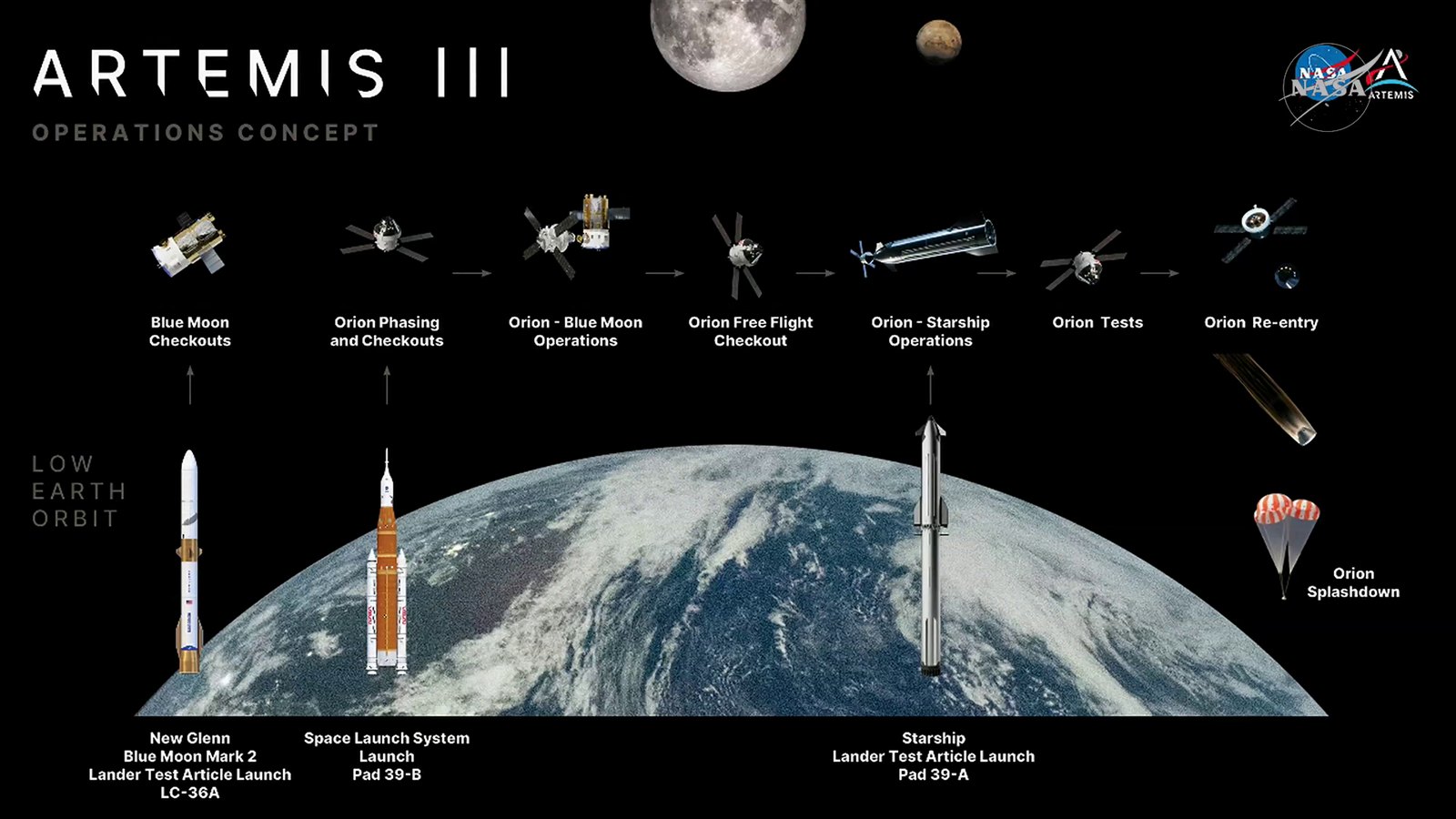
- New Glenn launches first, carrying the Blue Moon test lander from Launch Complex 36 at Cape Canaveral. Parsons said Blue Moon can wait in orbit for up to a month, though NASA wants to keep that wait short. SLS will roll out early for its fuelling rehearsal, then the shared infrastructure is handed to Blue Origin for its launch, and SLS follows a couple of days later, Parsons said. NASA is not currently keeping an option to launch the test lander on a different rocket, though Isaacman said that would have to be considered if the lander were ready and New Glenn were not. Parsons said both New Glenn and Starship will fly several times from their Florida pads before Artemis III.
- SLS launches Orion and the crew from Pad 39B. Orion starts in a stretched orbit of about 16 by 975 nautical miles (30 by 1,800 km). On the first day the crew lowers the high point to about 300 nautical miles (560 km), to keep Orion within its temperature limits. After about two days of checkouts, Orion moves to a 237-nautical-mile (440 km) orbit to meet Blue Moon.
- Orion docks with Blue Moon on flight day 3. The two stay together for about two days. The crew enters the lander, tests emergency scenarios and practises controlling the two docked spacecraft.
- Starship launches from Florida around flight day 6. Orion moves down to a 206-nautical-mile (380 km) orbit and docks with Starship on flight day 8. That docking test lasts about two hours, and the crew does not go inside Starship.
- The rest of the 14-day mission is for testing Orion: the crew's survival suits, docking sensors, noise and temperature measurements and how the cabin works for the crew. Then Orion re-enters and splashes down.
The crew will also run four human research studies that build on Artemis II, test how astronauts could check their own health when mission control is out of reach, and observe Earth and the Sun.
Because Artemis III only goes to low Earth orbit, SLS will fly without a working upper stage. A non-propulsive "spacer" of the same size takes its place, and Orion's own service module then fires to round out its orbit. NASA built the spacer in-house at its Marshall Space Flight Center in Alabama, and said most of it will arrive at Kennedy in the next couple of months.
How far along is the Artemis III hardware?
Isaacman said the Kennedy workforce has cut the assembly and integration schedule in half. Parsons said the time it takes to resolve hardware problems is down by up to 85%. Asked whether summer 2027 means June or later, Isaacman did not give a month. In a September email to staff he had written that NASA was "~90 days broken against the Artemis III schedule", as WESH reported. At the briefing he called that a "confidence inspiring message" for a mission that did not exist earlier this year, and said some of that time will be won back while new problems will come up.
Parsons said the delay so far comes from the supply chain for the lander builds, with avionics the main item. Blue Origin is investing in a supplier to speed up its work, and NASA is helping by flying tank domes on military aircraft and lending staff to finish welding schedules. Isaacman said one large dome for the Blue Origin test lander was about 23 days behind schedule until a C-17 military transport plane flew it across the country, and that NASA is asking for higher priority ratings to move parts such as high-pressure tanks, including some for the spacesuits, to the front of the queue.
- Boosters. NASA finished stacking the twin boosters on 30 September 2026 inside the Vehicle Assembly Building (VAB) at Kennedy. Parsons said preparing the segments took half as long as for Artemis II, and stacking was 20% faster.
- Core stage. On 22 October, teams lifted the 220-foot (67 m) core stage out of its work bay in the VAB and laid it down to be weighed. Next week it is due to be raised upright and joined to the boosters.
- Fuelling test. Isaacman said NASA is working towards a tanking test by the end of 2026. It will use a "short stack" of the core stage and boosters, without the spacer or Orion, at Pad 39B. It will test a new hydrogen fuel line connector, called a quick disconnect, after hydrogen leaks on both Artemis I and Artemis II. Parsons said a NASA team redesigned and built it in-house and had it in testing in less than five months, for "an absolute fraction of the cost". The new connector is already installed on the rocket. A second set is at NASA's Stennis Space Center in Mississippi for high-flow hydrogen tests over the next couple of months, and Parsons said low-flow cryogenic tests so far showed "almost no leakage".
- Orion. The crew and service modules are joined and more than 95% of the hardware is installed. Two Starlink terminals, added to the design in March, are going in this week. More than 250 parts that flew on Artemis II have been approved to fly again. A helium pressure control valve in the European Service Module leaked on Artemis II. Parsons said the team believes it understands the cause, has updated the flight software and will fly the current hardware on Artemis III, while replacement valves are designed for later missions.
- Launch tower. The mobile launcher was back in the VAB 17 days after the Artemis II launch.
- Crew. Since being named on 9 June, the crew has done more than 350 hours of classroom training and 22 full simulations with flight controllers.
When will astronauts actually land?
The first landing is planned for Artemis IV, in 2028. Four astronauts will launch on SLS and Orion and fly to lunar orbit. Two of them will go down to the surface near the south pole in a lander, then fly back up to Orion and return to Earth with the other two crew members.
NASA has still not chosen which lander will fly Artemis IV. Isaacman said NASA is keeping both companies in the running and has "no intention of surrendering a viable path to the surface before the data and schedule compels us to do so." Parsons said NASA will wait "as long as possible" to decide, and that both SpaceX and Blue Origin are planning landing missions in 2028. SpaceX is targeting an uncrewed landing at the end of 2027 and "the back half of 2028" for its first crewed landing, Parsons said. NASA has not named the Artemis IV crew yet. Parsons said both landers will have the ability to abort a landing if something goes wrong, and that the uncrewed flights will be used to prove it.
Isaacman said that when astronauts land, a rover and the first parts of NASA's Moon base should already be waiting for them. Parsons said a Lunar Terrain Vehicle should be on the surface by then, if everything goes to plan.
The two landers will now get there in different ways:
- Starship. SpaceX still fills its lander with fuel from tanker flights in low Earth orbit before the crew launches. But instead of meeting Orion in lunar orbit, Starship will dock with Orion in high Earth orbit and then fire its engines to push both spacecraft to low lunar orbit. Parsons said this "drastically" cuts the number of launches needed. The changes to Orion are approved, designed and being built into its European Service Module.
- Blue Moon. Blue Origin will launch three "transfer stages", tugs similar to its Blue Moon MK1 cargo lander, before the MK2 crew lander. In low Earth orbit, two of them boost the MK2 and the third tug into a long, stretched Earth orbit. The third then sends itself and the MK2 to an elongated polar orbit around the Moon. Orion meets them there, and the tug takes the crewed MK2 down to low lunar orbit. The MK2 does the landing itself and later brings the crew back up to Orion. Parsons said this orbit is easier to reach than NRHO but still gives access to south pole landing sites.
Isaacman named the hard parts: getting Orion to low lunar orbit, large-scale transfer of super-cold propellant, and joining stages together in orbit. "These are not trivial matters to solve," he said.
Artemis V was targeted for late 2028 under the February plan, with roughly one landing a year after that. NASA did not give a new date for it at the October news conference. For Artemis IV, Parsons said the core stage should be ready to fly by early 2028, and the core stage for the following mission later that year. Orion's crew and service modules for Artemis IV are already at Kennedy, and tiles have been bonded onto its heat shield.
What rockets and spacecraft does Artemis use?
- Space Launch System (SLS). NASA's Moon rocket. Its orange core stage has four RS-25 engines, the same type that flew on the Space Shuttle, and two solid rocket boosters give more than 75% of its thrust at liftoff. Artemis I and II used the Interim Cryogenic Propulsion Stage (ICPS), a modified Delta IV upper stage built by ULA. Artemis III flies with a spacer instead, which leaves the third and last ICPS available.
- New SLS upper stage. NASA is now keeping two upper stages: that ICPS and a "stretched" version of ULA's Centaur V with 50% more propellant than the standard stage on Vulcan, built in Decatur, Alabama. Parsons said the stretched Centaur, possibly with a small extra "kick stage" that NASA is still studying, could get Orion all the way to low lunar orbit and give the landers more time to wait for the crew. Parsons said some of the new lander plans could only wait about 30 days in their lunar orbit, and getting Orion down to low lunar orbit could extend that "by three times or more". NASA made the decision less than 60 days ago, and models are already in wind tunnel tests at its Ames Research Center. Parsons called it the "180k" tank, said it costs less than the Exploration Upper Stage it replaces, which NASA is no longer pursuing, and said it will let SLS send 41 to 43 metric tons towards the Moon.
- Which upper stage flies next. NASA has not said which mission will fly the stretched Centaur first. Parsons said the choice between the ICPS and the stretched Centaur for the next flight will be made around next summer, close to Artemis III, depending on how the landers mature. A SpaceX mission could fly with the ICPS, which needs no changes to the mobile launcher. Isaacman said NASA will buy the hardware for the launcher changes a stretched Centaur would need before the end of 2026, so the work can start once Artemis III has flown if that option is chosen.
- Orion. The capsule that carries four astronauts from Earth to lunar orbit and back. Lockheed Martin is the lead contractor. Its European Service Module, built for ESA by Airbus, provides power, propulsion, air and water.
- Starship HLS. One of two Human Landing Systems (HLS), the landers that carry astronauts between lunar orbit and the surface. It is a version of SpaceX's fully reusable Starship. It has to be refuelled in Earth orbit before it can reach the Moon.
- Blue Moon MK2. Blue Origin's crewed lander, 16 m (52 ft) tall with three BE-7 engines. It launches on Blue Origin's New Glenn rocket. A smaller, uncrewed Blue Moon MK1 delivers cargo, and versions of it will act as transfer stages for crewed missions.
- Moon suits. Axiom Space is building the suits. For the first landings, NASA and Axiom are adding a lighter "sortie suit" that cuts the suit's mass in half, from a little over 500 pounds (230 kg) to about 250 pounds (115 kg). It is designed for short spacewalks near the lander, of at least two hours each, and astronauts can wear it during landing and take-off. The pressure garment is due by the end of 2026. NASA said the sortie suit is a new task order under Axiom's existing contract, and that NASA expects to buy later suits at a fixed price rather than as a service. The full sortie suit will not fly on Artemis III, partly because it would have to stay in the lander and be lost when the lander is disposed of. NASA is instead looking at having the crew practise putting on and taking off a suit inside Blue Origin's test cabin, and at measuring the loads a suit would feel during launch. For Artemis IV, Parsons said the plan is several moonwalks of at least two hours each. The full "baseline" suit is kept for longer Moon base missions, and its test on the International Space Station is still planned for 2027.
Gateway, the lunar space station, is no longer part of the plan. NASA paused it in March 2026.
Which companies are building Artemis?
| Company | What it builds or does |
|---|---|
| Boeing | SLS core stage |
| Northrop Grumman | SLS solid rocket boosters |
| L3Harris (Aerojet Rocketdyne) | RS-25 engines |
| United Launch Alliance (ULA) | ICPS upper stage; stretched Centaur V upper stage for later missions |
| Lockheed Martin | Orion capsule |
| Airbus, for ESA | European Service Module for Orion |
| SpaceX | Starship Moon lander |
| Blue Origin | Blue Moon MK2 crewed lander and transfer stages; Blue Moon MK1 cargo lander; delivering NASA's Moon rovers |
| Axiom Space | Moon suits |
| Astrolab, Lunar Outpost | Lunar Terrain Vehicles (LTVs), the rovers astronauts will drive |
| Intuitive Machines, Voyager Technologies (which bought Astrobotic), Firefly Aerospace | Robotic landers that carry NASA cargo and science to the Moon |
The robotic landers fly under NASA's Commercial Lunar Payload Services (CLPS) program. NASA plans up to 30 robotic landings from 2027 to prepare for its Moon base. In October, NASA said both rover companies are on track to deliver flight-ready LTVs at the end of 2027. Blue Origin will carry them to the south pole.
What does Starship still need to prove?
Starship has to do several things no rocket has done before landing a crew on the Moon.
Refuelling in orbit. Starship cannot reach the Moon on one tank of fuel, so tankers have to fill it up in Earth orbit. How many is still open. At a NASA safety panel meeting on 22 October, a panel member mentioned an estimate of around 22 launches; Elon replied on X that it is closer to 6 to 8. Asked about this at the news conference, Parsons said NASA was "definitely not tracking as high as 22" and that SpaceX's own estimate of 6 to 8 is probably closer. He said early, conservative estimates put the fuel lost in each transfer at 5 to 10%. Isaacman called 6 to 8 "the ultimate potential end state" for the vehicle, and said SpaceX is aiming for a launch rate of about one Starship a week in 2027, with 14 or 15 launch pads across Texas, Florida and a planned site in Louisiana. SpaceX plans its first test of moving fuel between two ships in early 2027. One ship will launch from Starbase in Texas and the other from Kennedy, in quick succession, Parsons said, and Spaceflight Now reported that the Florida ship will fly from Launch Complex 39A.
An uncrewed Moon landing. SpaceX is targeting an uncrewed demo landing at the end of 2027.
A crew cabin. The Artemis III Starship will not have one. Parsons said the build of the first crew cabin is well underway. A fit check of the Artemis III Starship's docking system is planned next month at NASA's Marshall Space Flight Center.
Next up is Starship Flight 15, which Parsons said is probably in November and likely to try catching both the booster and the ship back at the launch site for the first time. SpaceX is also finishing its Gigabay building in Florida ahead of the first Starship launch there "in the coming months". Starship reached orbit for the first time on Flight 14, on 28 September 2026. You can follow the whole record in every Starship flight so far, and our Starship glossary explains terms like HLS, V3 and propellant transfer.
Blue Origin has its own list. New Glenn has not flown since a test explosion in May 2026. Parsons said more than 100 NASA staff are helping with its return to flight, that pad operations restart in November and that a launch should follow soon after. Isaacman said Blue Origin has been open about aiming for the end of the year, and that "whether they hit December or they wind up in January," the team is defying expectations. Blue Origin plans to open the building where it will assemble its bigger New Glenn 9×4 rocket, which will launch the MK2 lander and its transfer stages, in early 2027. It also plans the first launch of its uncrewed Blue Moon MK1 cargo lander in 2027. NASA's Glenn Research Center in Ohio is preparing to fire three BE-7 engines together, and Blue Origin plans to fully pressure-test and integrate the crew cabin of its MK2 test lander in early 2027. After Artemis III, Blue Origin will fly an uncrewed demo that joins the transfer stages and an MK2 in orbit and lands on the Moon. We compare both companies' rocket landing records in who else is landing rockets?
Why the south pole?
The main reason is water. Some craters near the lunar south pole are in permanent shadow and are among the coldest places in the solar system. Scientists think they hold water ice. Ice could give future crews drinking water, oxygen and rocket fuel, which would make a long-term base far easier to run.
The south pole also has ridges that are in sunlight for much of the time, which is good for solar power and for keeping equipment warm. NASA has picked nine candidate landing regions near the south pole. Its first robotic Moon base mission is set to land at Shackleton Connecting Ridge.
No one has landed there before. All six Apollo landings were far from the poles, on the Moon's near side. Asked at the news conference whether NASA might move Artemis IV or the Moon base elsewhere, NASA's leaders said the south pole remains "the most desirable area" and is where NASA will build its base. The early robotic Moon base missions will carry common sensor packages to learn more about the area first.
NASA's VIPER (Volatiles Investigating Polar Exploration Rover) is set to launch in 2027 on a Blue Moon MK1 lander to look for ice. Moons and their resources are a theme across our coverage, from Earth's Moon to Mars's moon Phobos in JAXA's MMX mission.
Who else is involved?
Artemis is led by the United States but includes other space agencies.
- ESA (European Space Agency) supplies the European Service Module for every Orion. ESA astronaut Luca Parmitano is on the Artemis III crew.
- CSA (Canadian Space Agency) flew Jeremy Hansen on Artemis II, the first non-American to travel to the Moon.
- JAXA (Japan Aerospace Exploration Agency). In 2024, Japan agreed to build a pressurised rover that astronauts can live in on the Moon. In return, NASA agreed to fly Japanese astronauts to the surface. When it paused Gateway, NASA said it would repurpose equipment and "leverage international partner commitments", without spelling out what that means for each partner's Gateway hardware.
Separate from the missions, there are the Artemis Accords. These are a set of principles for peaceful, open exploration of the Moon and beyond, such as sharing scientific data and avoiding harmful interference. NASA, the US State Department and seven other countries founded them in 2020. India signed on 21 June 2023 as the 27th country. On 19 October 2026, Uzbekistan became the 77th signatory.
Signing the Accords does not mean a country is building Artemis hardware. It means it agrees to the rules.
What about China?
China is the main reason NASA says it needs to move faster. China aims to land its astronauts on the Moon "before 2030", Xinhua reported in February, citing the China Manned Space Agency (CMSA).
China's plan uses three new vehicles:
- Long March 10, a new heavy rocket
- Mengzhou, a crew spacecraft
- Lanyue, a two-person lunar lander
Two Long March 10 rockets would launch separately, one with the crew in Mengzhou and one with Lanyue. The two would dock in lunar orbit, and two astronauts would then land.
China is testing steadily. On 11 February 2026, at 11:00 a.m. Beijing time, it flew a Long March 10 test rocket from Wenchang and tested Mengzhou's emergency escape at the point of maximum air pressure. It has also tested Lanyue's landing and take-off systems on Earth.
If Artemis IV lands in 2028, the US would still be first. If it slips by two years or more, the race gets close.
What could delay it?
- Starship refuelling. Moving large amounts of fuel between ships in orbit has never been done. Every Starship landing depends on it, and the first test is not due until early 2027.
- Joining stages in orbit. Blue Origin's plan needs three transfer stages and a lander to meet up in Earth orbit, which has also never been done.
- The uncrewed landing demos. NASA wants each lander to land on the Moon without crew first. SpaceX is targeting the end of 2027, leaving about a year before its crewed landing target.
- New Glenn's return. Blue Origin is rebuilding after its May 2026 explosion, and the bigger 9×4 version it needs for the crew lander is still in development.
- Spacesuits. In an April 2026 report, NASA's Office of Inspector General (OIG) found delays of "at least a year and a half" for Axiom's suits. It said that if Axiom's delays match the historical average for recent spaceflight programs, the demonstrations "may not occur until 2031." The OIG stressed this was not a forecast of a 2031 readiness date. NASA's lighter sortie suit is partly meant to reduce this risk.
- The new SLS upper stage. The stretched Centaur and a possible kick stage are new hardware, and the kick stage decision is still pending.
- Money and politics. Congress sets NASA's budget each year, and parts of the plan have changed three times in 2026.
Full timeline at a glance
| Mission or milestone | When | What it does | Status |
|---|---|---|---|
| Artemis I | 16 Nov to 11 Dec 2022 | Uncrewed SLS and Orion flight around the Moon | Done |
| Artemis II | 1 to 10 Apr 2026 | Four astronauts fly around the Moon | Done |
| Starship Flight 15 | Target: November 2026 | Attempt to catch both booster and ship | Target |
| New Glenn return to flight | Target: December 2026 or January 2027 | Pad operations restart in November, launch soon after | Target |
| Artemis III fuelling test | Target: end of 2026 | Core stage and boosters fuelled at Pad 39B | Rocket being stacked |
| Starship fuel transfer test | Target: early 2027 | Two Starships move propellant in orbit | Target |
| Blue Moon MK1 first launch | Target: 2027 | Uncrewed cargo lander | Target |
| Artemis III | Target: summer 2027 | Four astronauts dock with test versions of both landers in low Earth orbit | Rocket being stacked |
| Uncrewed Starship landing | Target: end of 2027 | Starship lands on the Moon without crew | Target |
| Uncrewed Blue Moon MK2 landing | After Artemis III | Transfer stages and MK2 join in orbit; MK2 lands without crew | Target |
| Artemis IV | Target: 2028 | First crewed landing since 1972, near the south pole | Target; lander not chosen |
| Artemis V | Previously targeted for late 2028 | Second crewed landing; Moon base work begins | No new date given |
| Later missions | From 2029 | About one landing a year, later every six months | Target |
Targets are NASA's or the companies' own, updated after the 23 Oct 2026 news conference. Want the background on the rocket at the centre of it all? Start with what is Starship? For how SpaceX pays for it, see SpaceX's Q3 2026 earnings explained.
Sources
- NASA: Artemis acceleration news conference webcast (23 Oct 2026)
- Spaceflight Now: live thread from the Artemis news conference (23 Oct 2026)
- NASA: Artemis program overview
- NASA: NASA adds mission to Artemis lunar program, updates architecture (27 Feb 2026)
- NASA: Artemis IV mission page
- NASA: NASA completes Artemis III booster stacking, shares status update (13 Oct 2026)
- Space.com: When will SpaceX and Blue Origin fly to the Moon? NASA reveals lunar lander timelines and an Artemis III update (21 Oct 2026)
Free newsletter
Get the Starship briefing.
Every Saturday, plus alerts when something big happens. Unsubscribe any time. Privacy