
There were 11,204 Starlink satellites in orbit on 9 November 2026, and 11,190 of them were working, according to Jonathan McDowell's Starlink statistics. McDowell is an astronomer who tracks every satellite launch from public orbit data. In total, SpaceX had launched 13,096 Starlink satellites, counting two test satellites from 2018. The rest have come down, been retired or failed.
Starship tracker
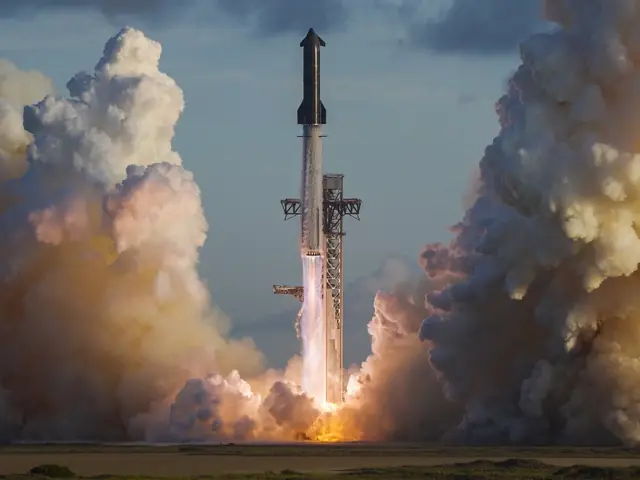
Starlink Group 31-2 (Starship Flight 15)
Starship V3 · SpaceX · USA
Launch window opens
13 Nov 2026
Local time 4:45 PM CST, Fri 13 Nov
Your time 13 Nov 2026
From Orbital Launch Pad 2, SpaceX Starbase, TX, USA
Why it matters SpaceX plans to deploy 26 Starlink V3 satellites and catch both stages. The ship return comes more than 22 hours after launch, if cleared. Read our story
SpaceX's own figure is close. In its quarterly report for the period ended 30 September 2026, SpaceX said it had more than 11,100 broadband and mobile satellites in low Earth orbit (LEO) and 13.6 million consumer subscribers.
As of 9 November 2026, when McDowell last updated his data: 13,096 launched, 11,204 in orbit, 11,190 working, 9,704 in their operational orbits.
New to the network? Start with what Starlink is and how it works.
What do those Starlink numbers mean?
McDowell sorts satellites by status. The four numbers that matter:
- Launched (13,096): every Starlink satellite that has left the ground, including prototypes.
- In orbit (11,204): still up there, working or not.
- Working (11,190): in orbit and not failed or decaying.
- In operational orbit (9,704): at their final height and serving customers. The rest are still climbing, moving between orbits or being retired.
The gap between "working" and "operational" is normal. New satellites take weeks to climb to their working height after launch.
What is Starlink V3?
Starlink V3 is SpaceX's third-generation Starlink satellite, and the biggest so far. SpaceX's Flight 15 page says:
- Capacity: "Each Starlink V3 satellite will add 1 Terabit of capacity to the constellation."
- Scale: 26 V3 satellites equal about 10 Falcon 9 launches of the older V2 Mini satellites.
- After launch: they unfold their antennas and solar arrays, make contact over radio and laser links, then raise their orbits with their own thrusters.
- Service: they should begin serving customers "as soon as a few weeks after launch".
Their aim, SpaceX says, is to "greatly expand the network's capacity and user speeds". So far, every V3 satellite has flown on Starship, SpaceX's fully reusable rocket, not on its workhorse Falcon 9.
How many Starlink V3 satellites are in orbit?
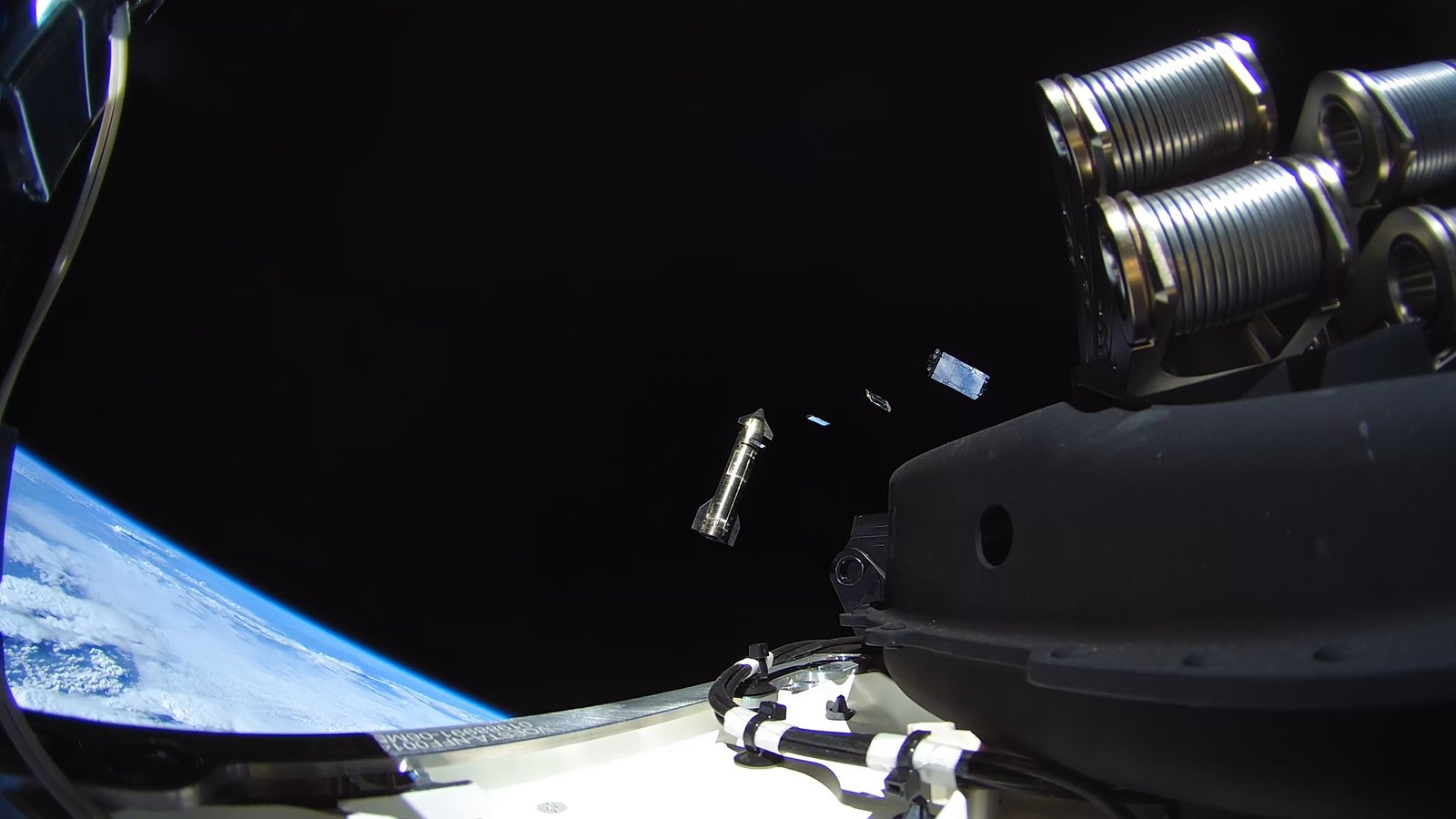
26, as of 9 November 2026. All came from Starship Flight 14 on 28 September 2026, the first Starship flight to reach orbit. SpaceX said contact was made with every satellite over laser links, ground stations and Starlink user terminals. On 9 November, McDowell's tracker showed 24 of them still climbing and 2 drifting.
Earlier Starship flights carried V3 satellites or stand-ins that did not stay up:
- Flights 10 to 12: Starlink simulators, dummy satellites of the right size and weight.
- Flight 13: 20 real V3 satellites on a suborbital path, so they re-entered.
Read the full story in our Starship Flight 14 recap.
When is the next Starlink V3 launch?
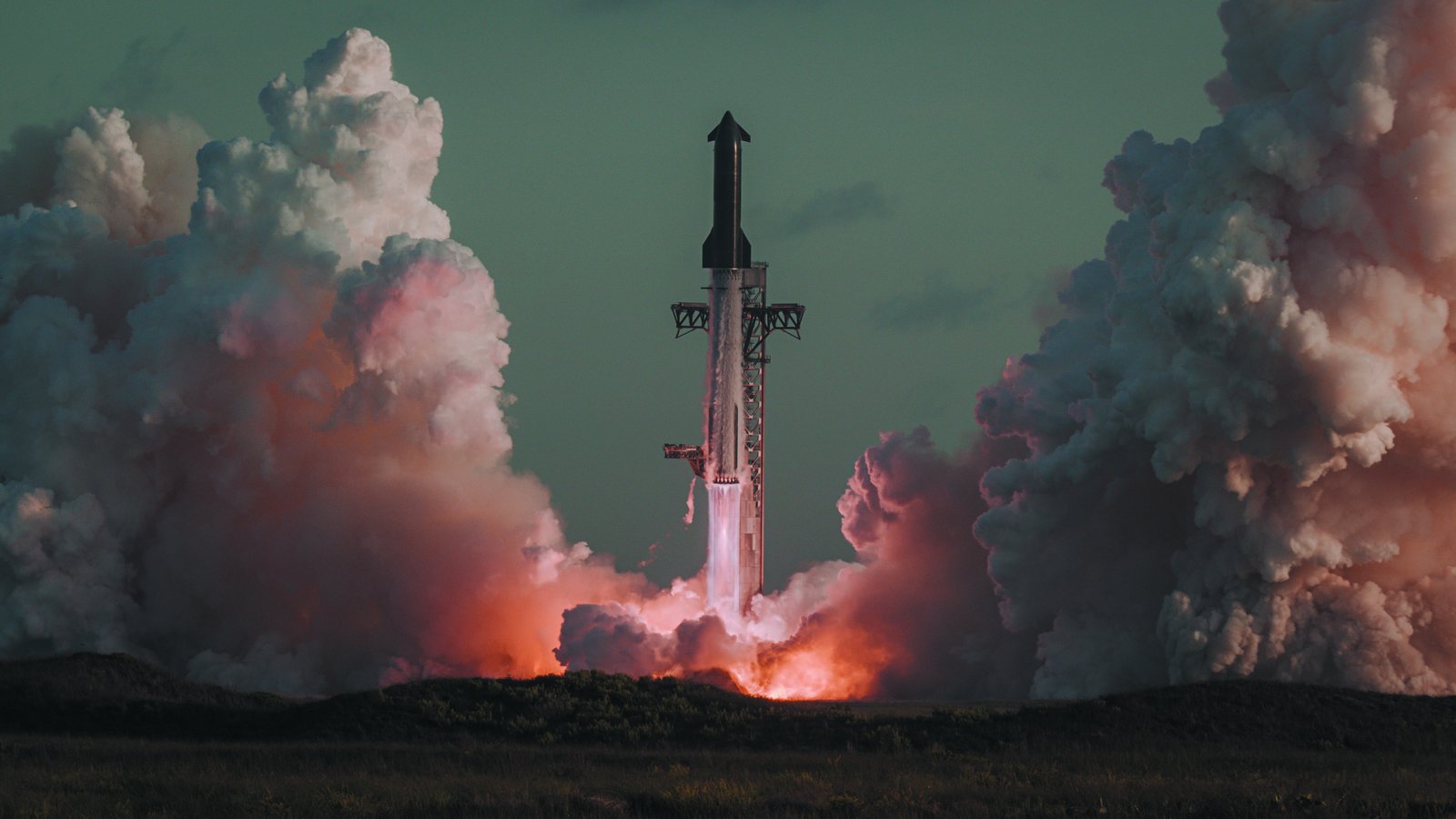
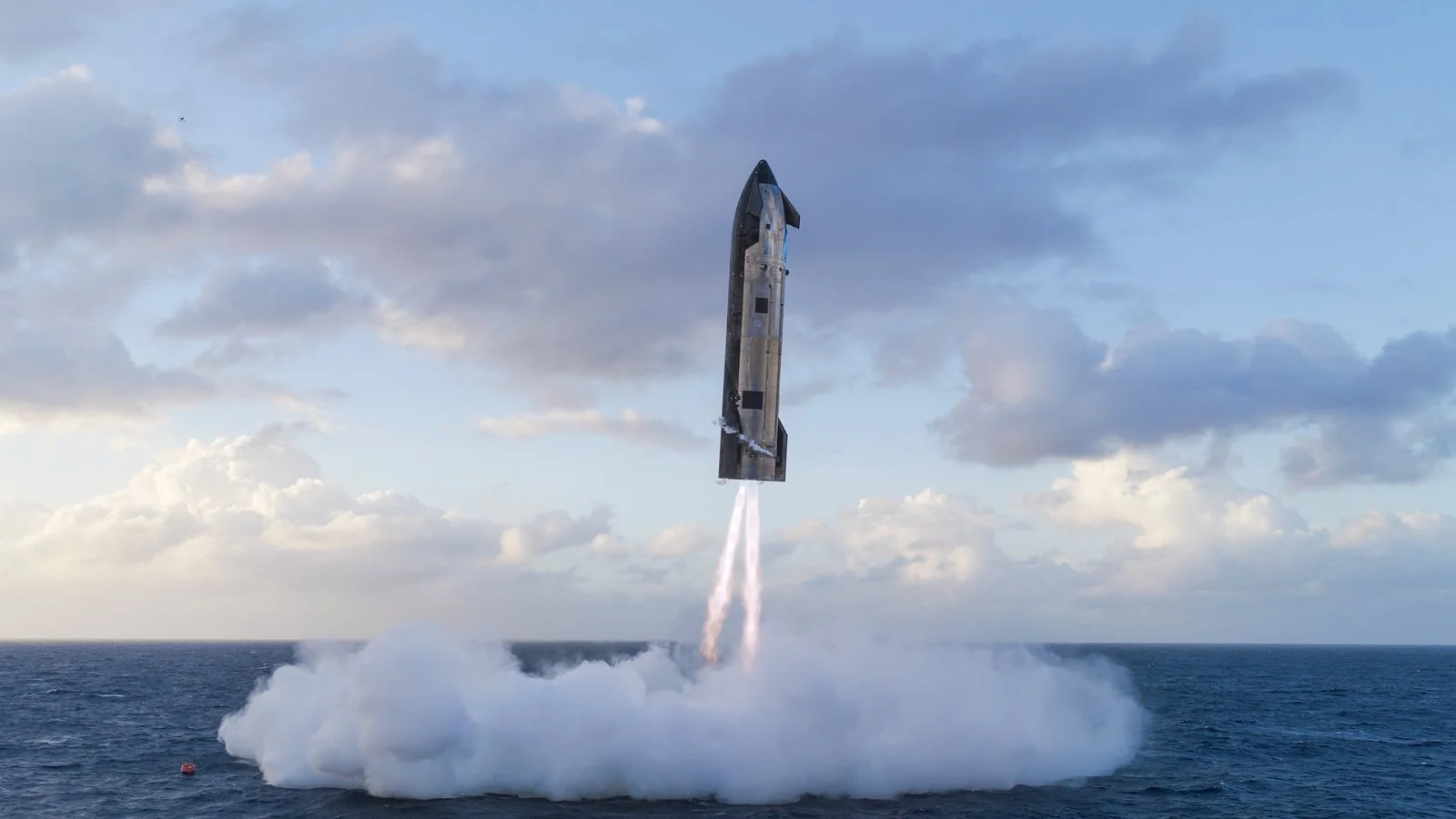
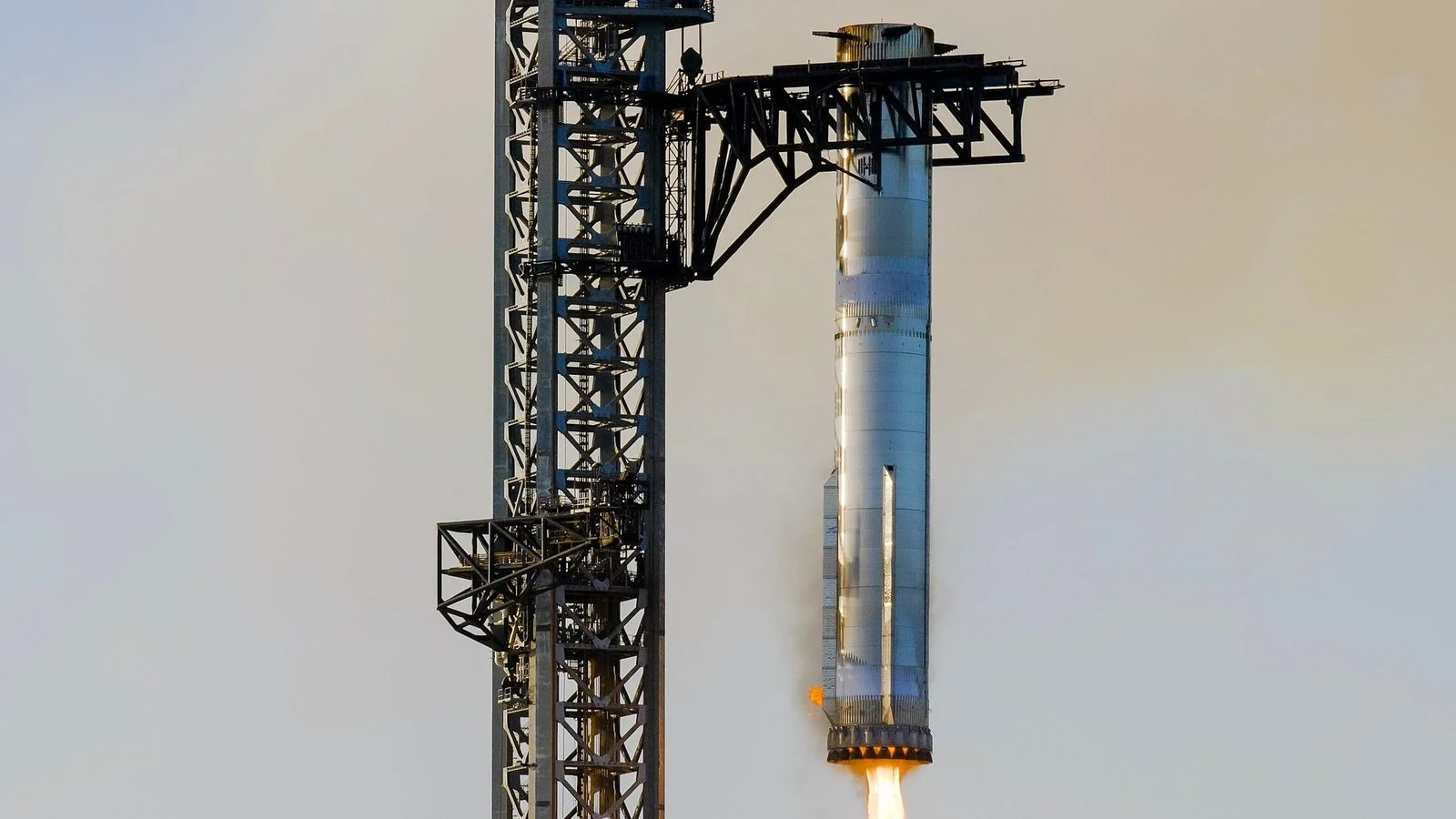
Starship Flight 15 is planned to deploy 26 more V3 satellites. As of 11 November 2026, SpaceX targets Friday 13 November, with a 75-minute window opening at 4:45 p.m. Central Standard Time (CST) at Starbase, Texas, pending regulatory approval. Three of those satellites carry cameras to photograph Starship's heat shield in orbit, SpaceX says.
If Flight 15 works, the number of V3 satellites in orbit doubles to 52. See when Starship Flight 15 launches and the Starship launch tracker, or every Falcon 9 Starlink launch this year on Starlink launches in 2026.
In my view, the V3 count matters more than the total from here on. Falcon 9 keeps adding older satellites, but the big jump in capacity depends on how often Starship can fly.