
NavIC, short for Navigation with Indian Constellation, is India's own satellite navigation system. It does the same job as the Global Positioning System (GPS), the United States system in most phones: satellites broadcast precise time signals, and a receiver uses them to work out where it is. The difference is coverage. GPS covers the whole planet, while NavIC covers India and up to 1,500 km beyond its borders. The Indian Space Research Organisation (ISRO) runs it.
As of 11 November 2026: NavIC has been short of the four working satellites needed for a position fix since at least July. Its newest satellite, NVS-03, reached its final orbit on 4 November 2026 with "health normal", ISRO said. ISRO has not yet said when it will enter service.
Why did India build NavIC?
Most countries rely on GPS, which the United States controls. A few powers run their own systems for that reason: Russia has GLONASS (Global Navigation Satellite System), Europe has Galileo and China has BeiDou, all global. Japan's Quasi-Zenith Satellite System (QZSS) is regional, like NavIC.
NavIC gives India a positioning and timing service it controls. It was first called the Indian Regional Navigation Satellite System (IRNSS), and its first satellite launched in July 2013.
How does NavIC work?
ISRO designed NavIC around seven satellites, according to its navigation services page:
- Three in geostationary orbit: they stay over fixed points on the equator, about 36,000 km up.
- Four in geosynchronous orbits tilted 29 degrees to the equator: they trace a figure of eight over the region each day, two in each of two orbital planes.
It offers two services:
- Standard Positioning Service: for everyone.
- Restricted Service: for strategic users such as the armed forces.
ISRO says the system is designed for position accuracy better than 20 metres and timing accuracy better than 50 nanoseconds (billionths of a second).
Why is NavIC short of satellites?
Clocks are the main reason. Every navigation satellite carries atomic clocks, and a position is only as good as the time signal. ISRO has launched 11 navigation satellites since 2013, and six have failed, The Indian Express reported, mostly because of faulty imported atomic clocks.
Two recent setbacks:
- NVS-02 (2025): it launched on 29 January 2025 but never reached its working orbit. ISRO's review found the signal to open a valve on its engine never arrived, most likely because of a loose connector.
- IRNSS-1F (2026): its atomic clock stopped on 13 March 2026, three days after it finished its 10-year design life, ISRO said.
By July 2026, only three NavIC satellites were giving positioning, navigation and timing services, the government told Parliament, India Today reported. Four is the minimum for a position fix, so NavIC could not give a position on its own. Its timing service kept working.
What are the NVS satellites?
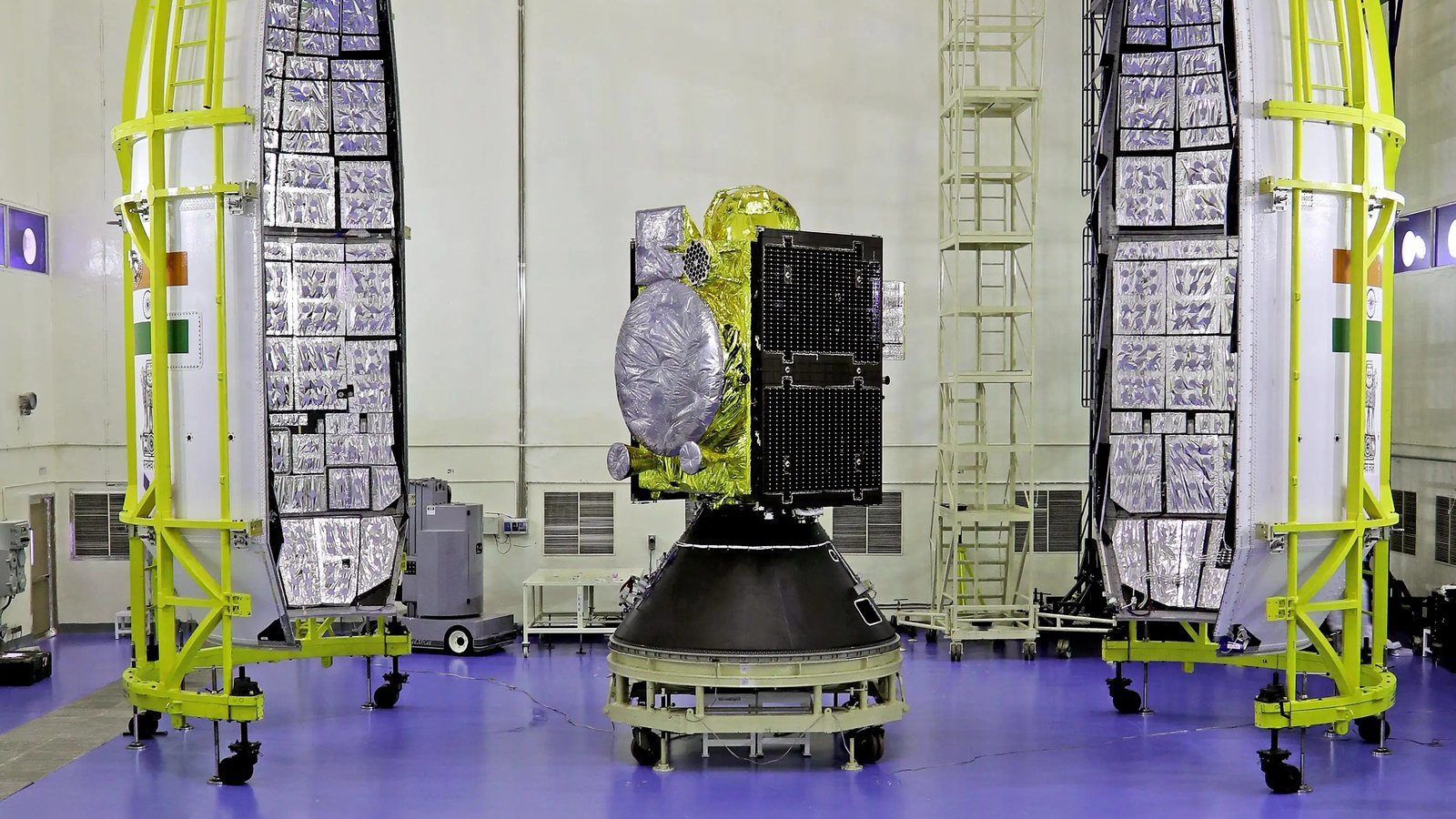
NVS is NavIC's second generation. ISRO describes the series as its "next generation navigation satellite system" but does not give an official expansion of the letters. The first, NVS-01, launched in May 2023. ISRO's brochure lists what is new:
- Signals: three bands, L1, L5 and S. L1 is new for NavIC and is the band most civilian receivers already use.
- Clock: a rubidium atomic clock developed in India, at ISRO's Space Applications Centre in Ahmedabad.
- Life: 12 years.
Where does NVS-03 stand?
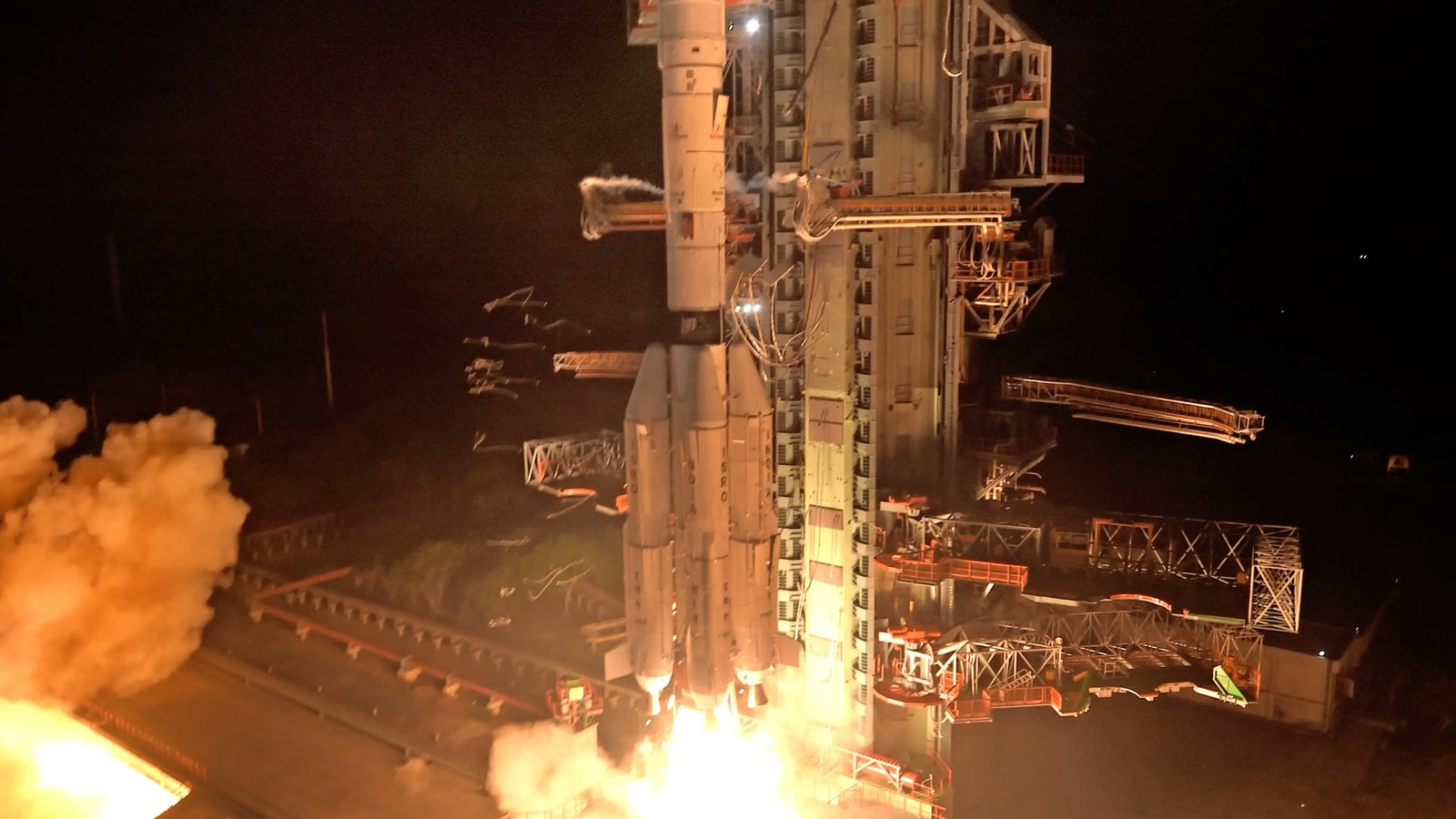
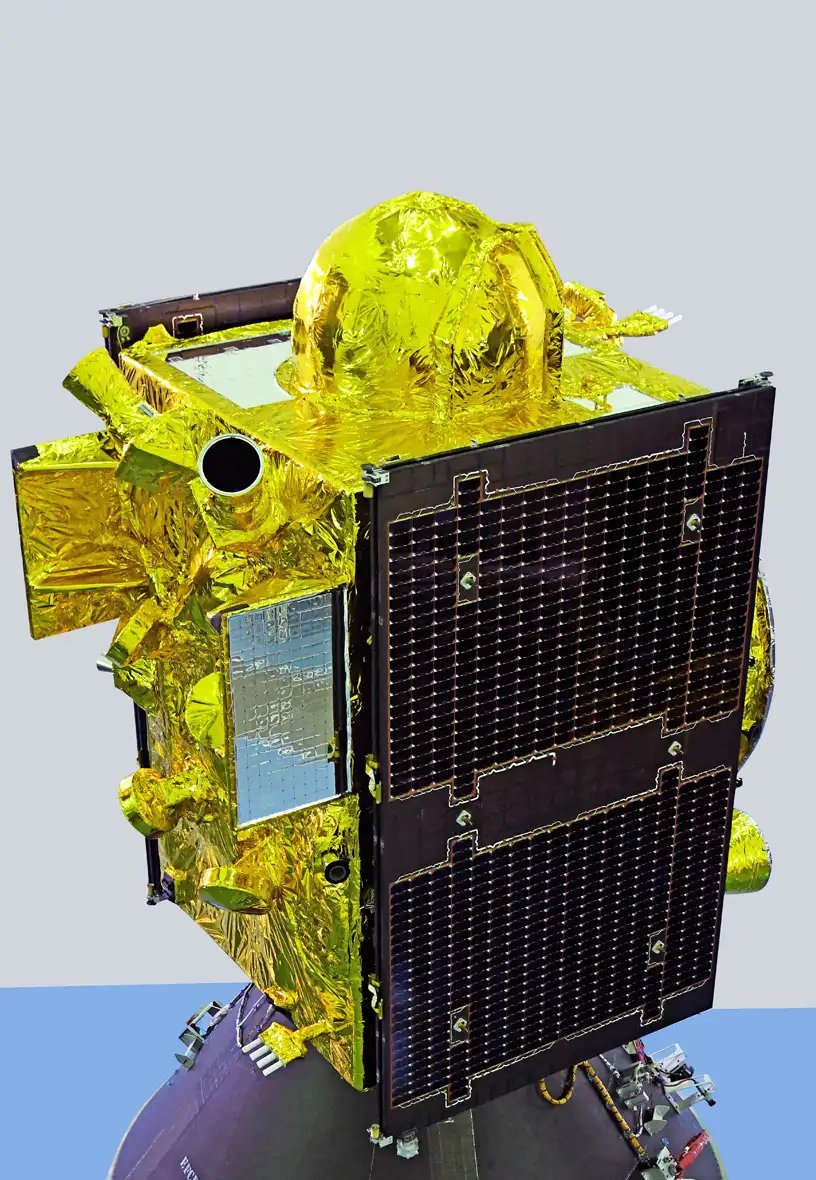
NVS-03 launched on the GSLV-F18 rocket from Sriharikota at 11:51 PM India Standard Time (IST) on 30 October 2026. GSLV is the Geosynchronous Satellite Launch Vehicle. ISRO said the rocket placed the satellite in its intended orbit. ISRO's mission page says NVS-03 carries an indigenous atomic clock along with procured ones.
The satellite then raised its own orbit with its engine, the step that failed on NVS-02. ISRO said on 4 November 2026 that NVS-03 had reached geosynchronous orbit:
- Orbit: 35,765 km by 36,196 km, inclined 29.98 degrees.
- Engine burns: four firings of its liquid apogee motor, about 6,164 seconds in total.
- Health: normal.
The next step is in-orbit testing before NVS-03 starts broadcasting for users. Read our GSLV-F18 launch report and the NVS-03 explainer for the details.
Does the NavIC shortage affect my phone?
Probably not. Phones that support NavIC also use GPS and other systems, so navigation has not stopped. The government has said users face no security or operational risk from the shortfall. NavIC matters most for timing, for strategic users and because India controls it.
In my view, the goal for 2027 is simple: get back to at least four working satellites, then towards the full seven. The government says NVS-04 and NVS-05 are in advanced stages of development.
See every Indian launch this year on ISRO launches in 2026, or how many satellites India has.