
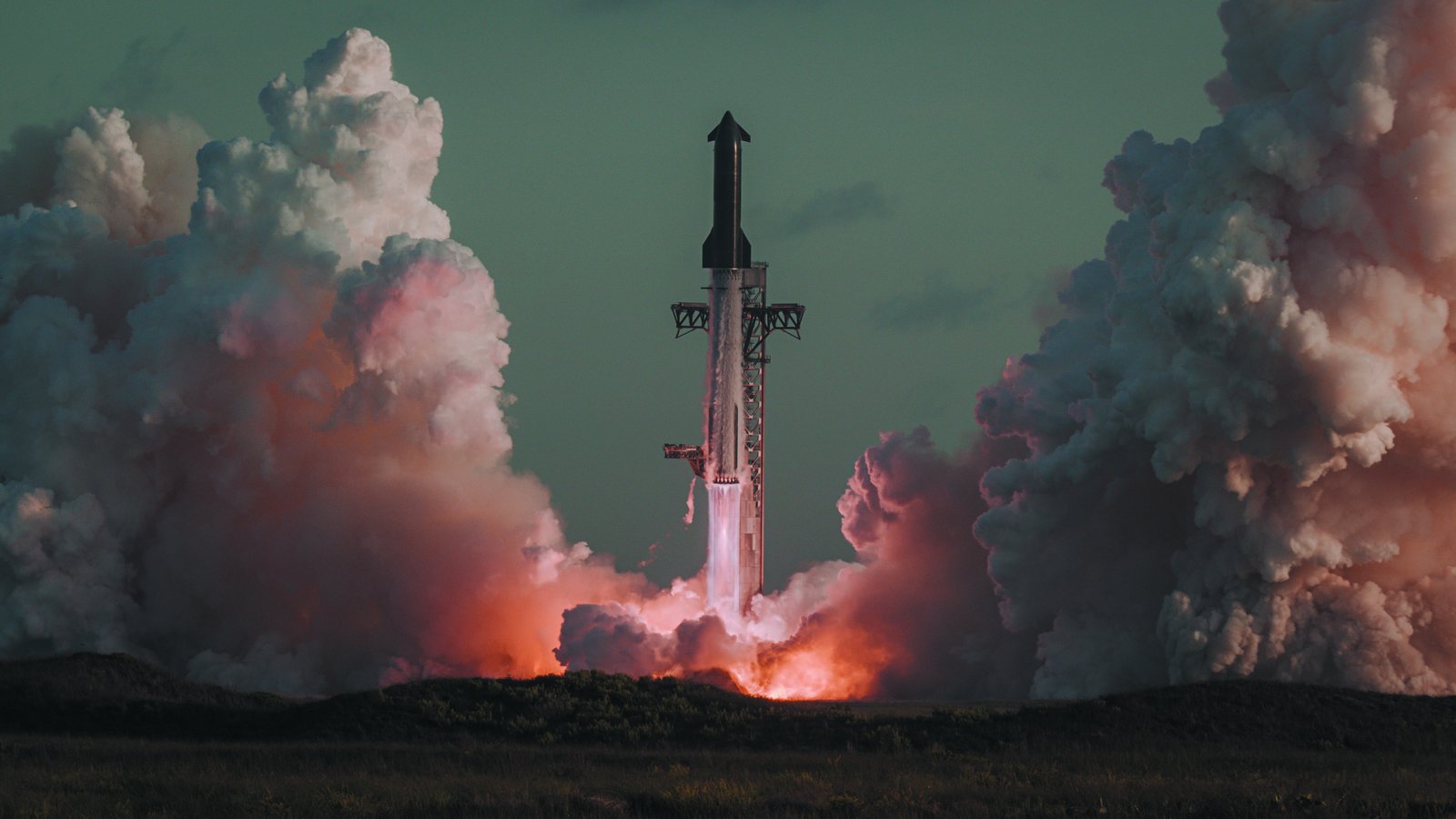
Starship Flight 14 was the first time SpaceX's giant rocket reached orbit. It lifted off from Starbase, Texas, at 7:48 a.m. Central Daylight Time (CDT) on Monday 28 September 2026, SpaceX says. The ship, Starship's upper stage, deployed 26 Starlink V3 satellites, its first useful payload in orbit, and splashed down on target in the northern Pacific Ocean about 3 hours 10 minutes after launch.
Starship tracker
Starlink Group 31-2 (Starship Flight 15)
Starship V3 · SpaceX · USA
Launch window opens
13 Nov 2026
Local time 4:45 PM CST, Fri 13 Nov
Your time 13 Nov 2026
From Orbital Launch Pad 2, SpaceX Starbase, TX, USA
Why it matters SpaceX plans to deploy 26 Starlink V3 satellites and catch both stages. The ship return comes more than 22 hours after launch, if cleared. Read our story
It was not a perfect flight. An engine on each stage shut down early, and SpaceX brought the ship home sooner than it could have. But the main goals were met: orbit, payload deployment and a controlled return.
What happened on Starship Flight 14?
All times are Central Daylight Time at Starbase. Times after liftoff are when SpaceX posted each update on X.
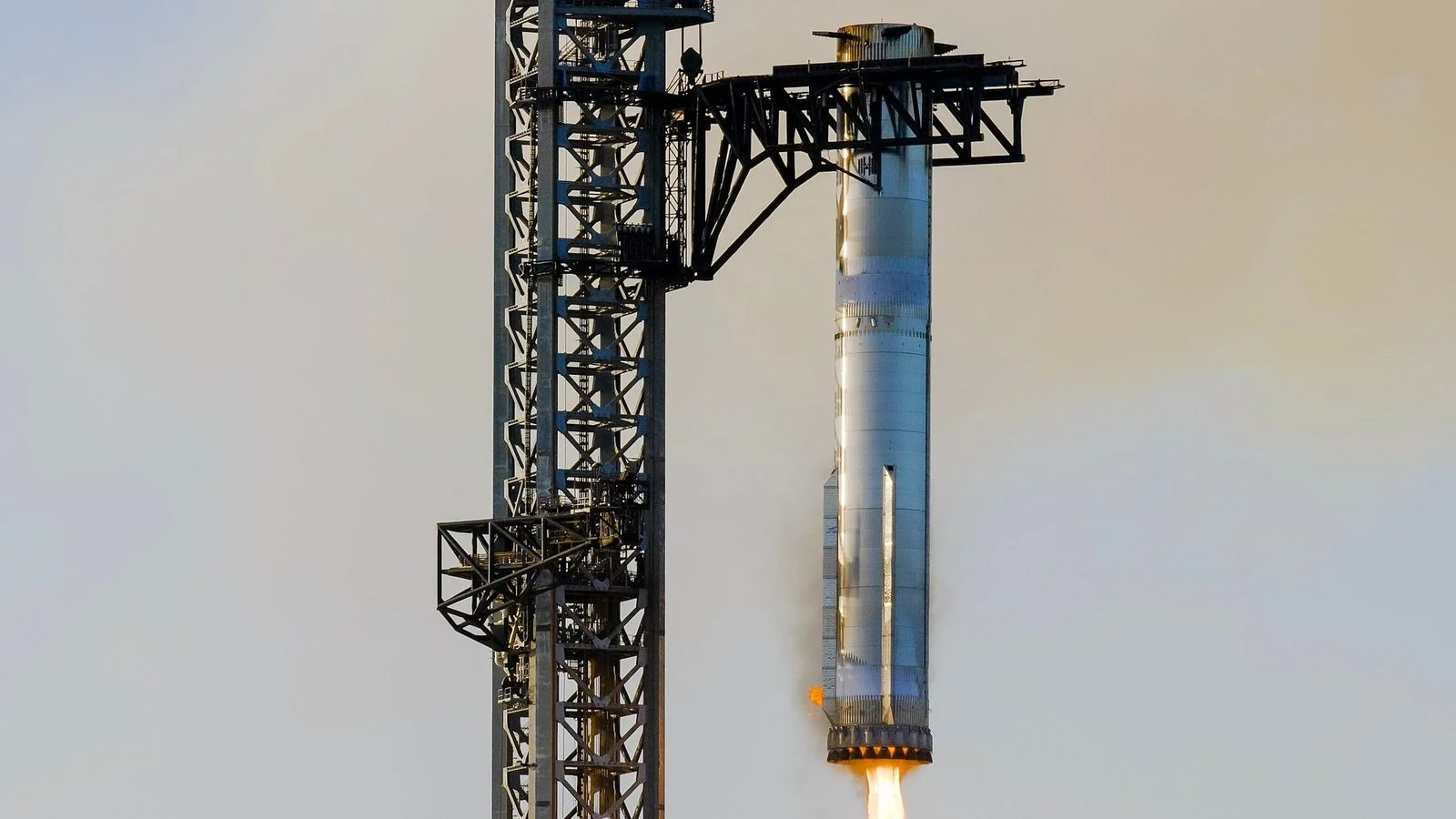
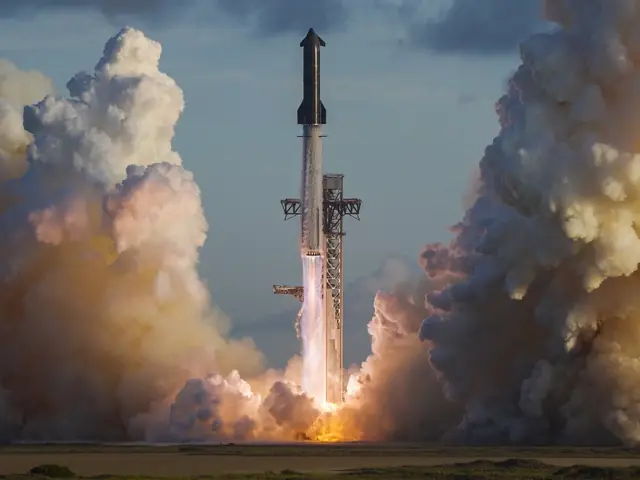
- 7:48 a.m.: liftoff on all 33 Raptor 3 engines of the Super Heavy booster. One booster engine shut down during the climb.
- Hot staging: the ship lit its six engines while still attached, then separated. During the ship's ascent burn, one Raptor vacuum engine shut down early, and the other five burned longer to make up for it.
- About 7:58 a.m.: "Starship's ascent burn is complete," SpaceX posted. The ship was on a "passively safe" suborbital path, one that would bring it down safely on its own, while teams checked its systems.
- Orbit insertion: with the three sea-level engines judged healthy, the ship relit one of them and entered orbit around Earth for the first time.
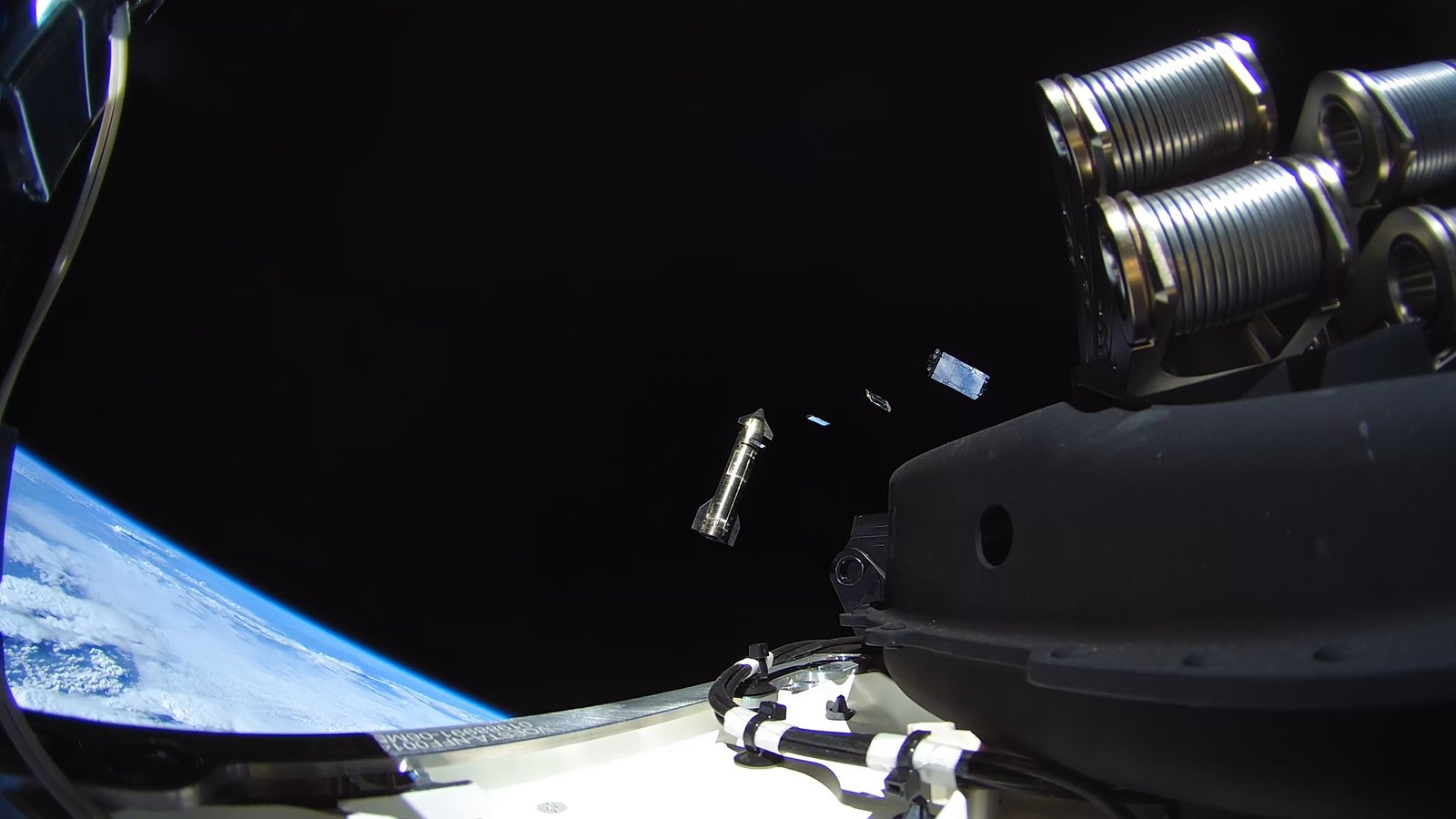
- About 8:25 a.m.: Starship began deploying the 26 Starlink V3 satellites, a sequence SpaceX said would take about 30 minutes.
- About 10:04 a.m.: "Deorbit burn complete," SpaceX posted, after Starship's first ever deorbit burn, the engine firing that drops it out of orbit.
- About 10:58 a.m.: "Splashdown confirmed," SpaceX posted, after a three-engine landing burn and flip over the target in the northern Pacific.
What did the Super Heavy booster do?
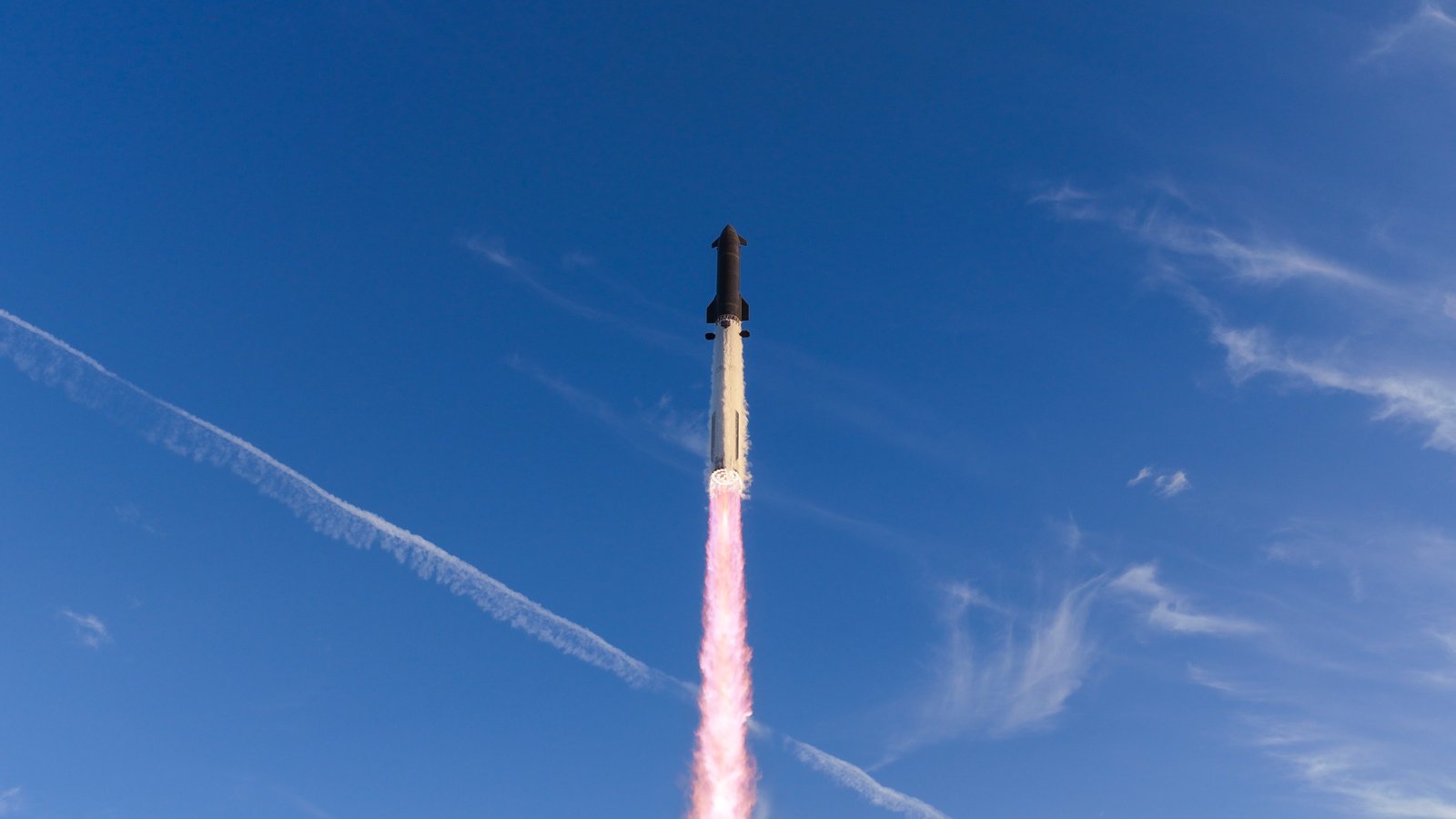
The booster flipped and relit 31 of its 33 planned engines for the boostback burn, which turns it back towards the coast. This time, SpaceX designed the burn to use up the leftover liquid oxygen in its main tank on purpose, to find the limits of the booster before return-to-launch-site missions.
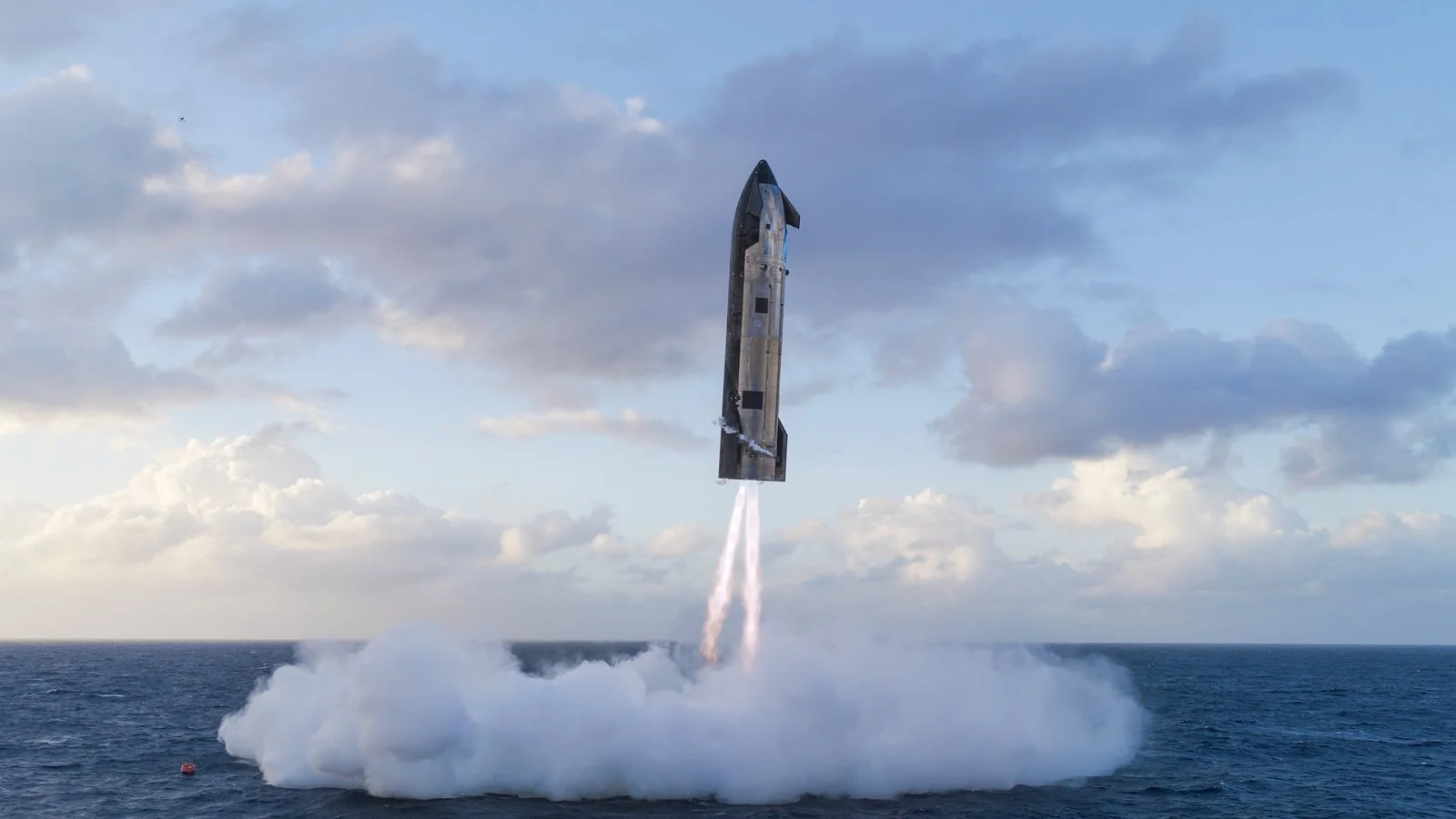
It then lit 11 of the planned 13 engines for its landing burn, stepped down to five and then three engines, and splashed down in the Gulf of Mexico, which SpaceX calls the Gulf of America. After landing burn shutdown, SpaceX triggered the booster's flight termination system as a demonstration of its safety hardware.
Why did Flight 14 end early?
Because of the engine that shut down on the way up. After the satellites were out, "out of an abundance of caution given the engine issue experienced during ascent", SpaceX says, the flight control team limited the time in orbit and brought the ship down in the northern Pacific. That was one of two landing zones cleared of sea and air traffic before launch.
What happened to the Starlink V3 satellites?
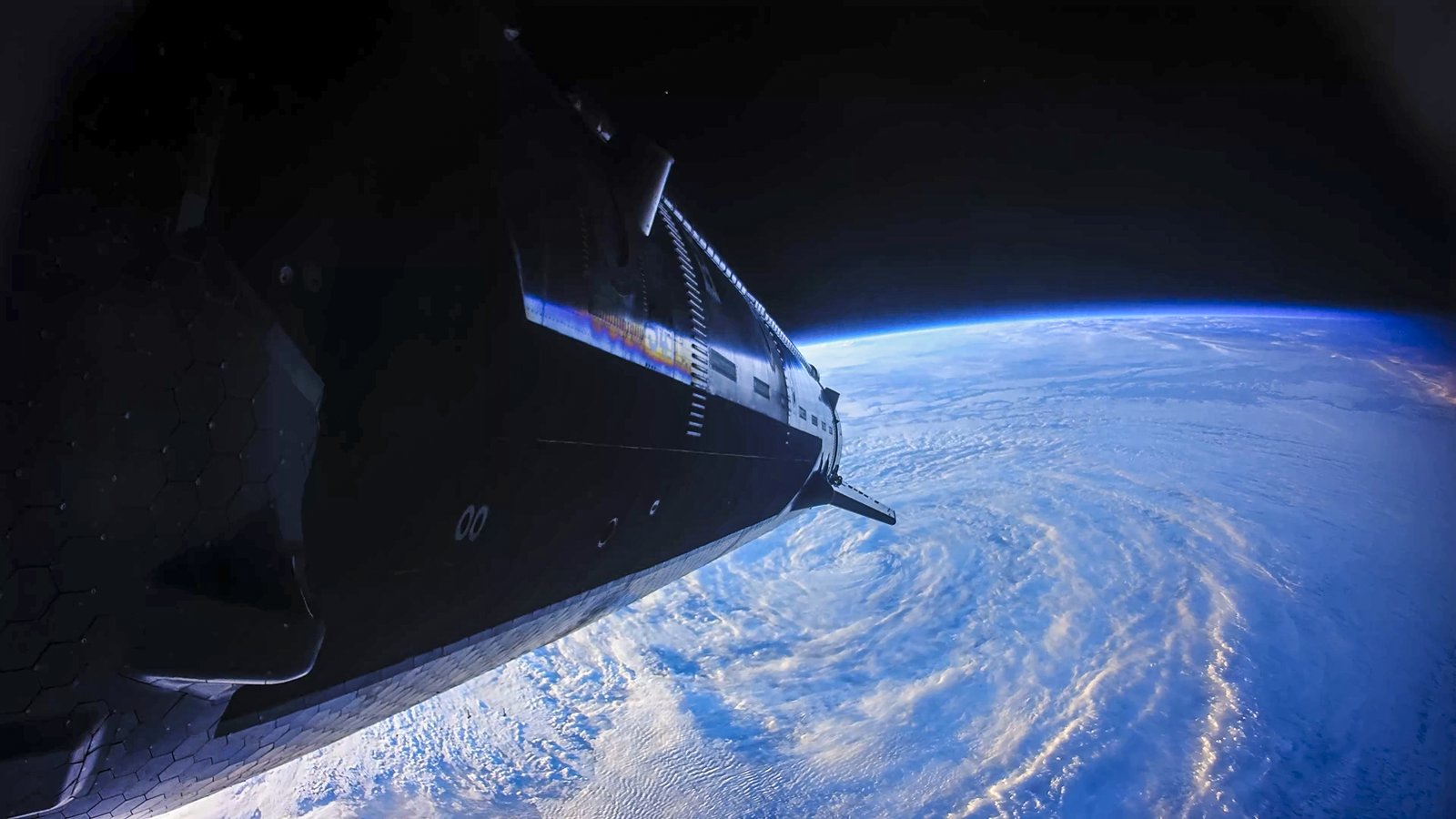
All 26 deployed, and SpaceX said it made contact with every one over laser links, ground stations and Starlink user terminals. They then began checks and orbit raising before serving customers. On 9 November 2026, Jonathan McDowell's tracker showed all 26 from Ship 41, the Flight 14 ship, still in orbit: 24 climbing and 2 drifting.
SpaceX says each V3 satellite adds 1 terabit per second of capacity. Read more in Starlink V3 and how many Starlink satellites there are.
What does Flight 14 mean for Flight 15?
Flight 14 proved Starship can reach orbit, deploy a real payload and come back on target. Flight 15 tries the next step: catching both stages back at the launch tower. SpaceX says Flight 15's heat shield builds on Flight 14 changes, with extra retention on the tiles most at risk of falling off and a curved tile design that reduces heating in the gaps.
As of 11 November 2026, SpaceX targets Flight 15 for Friday 13 November, with a window opening at 4:45 p.m. Central Standard Time (CST), pending regulatory approval. See when Starship Flight 15 launches, the Starship launch tracker and every Starship flight so far.