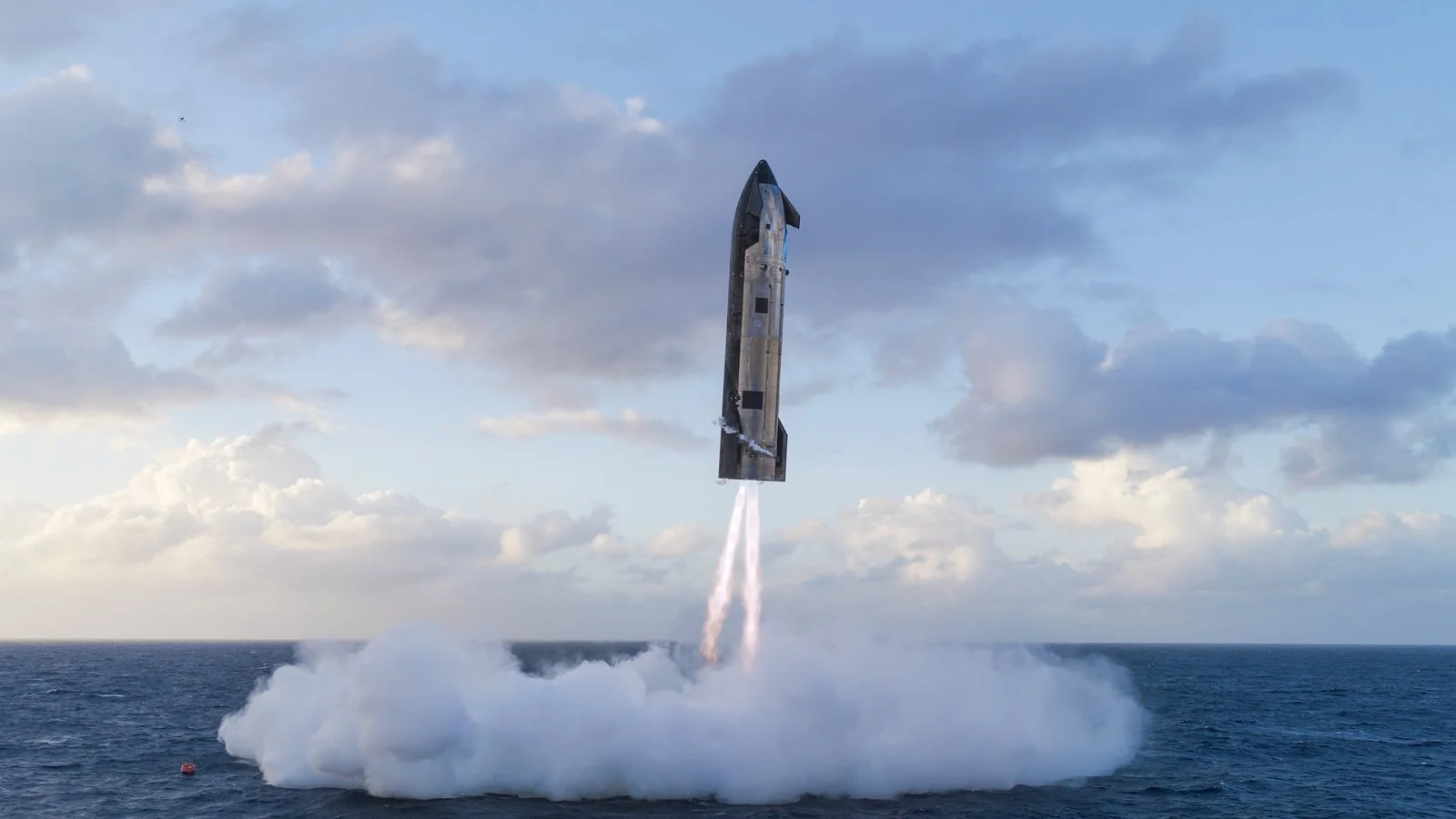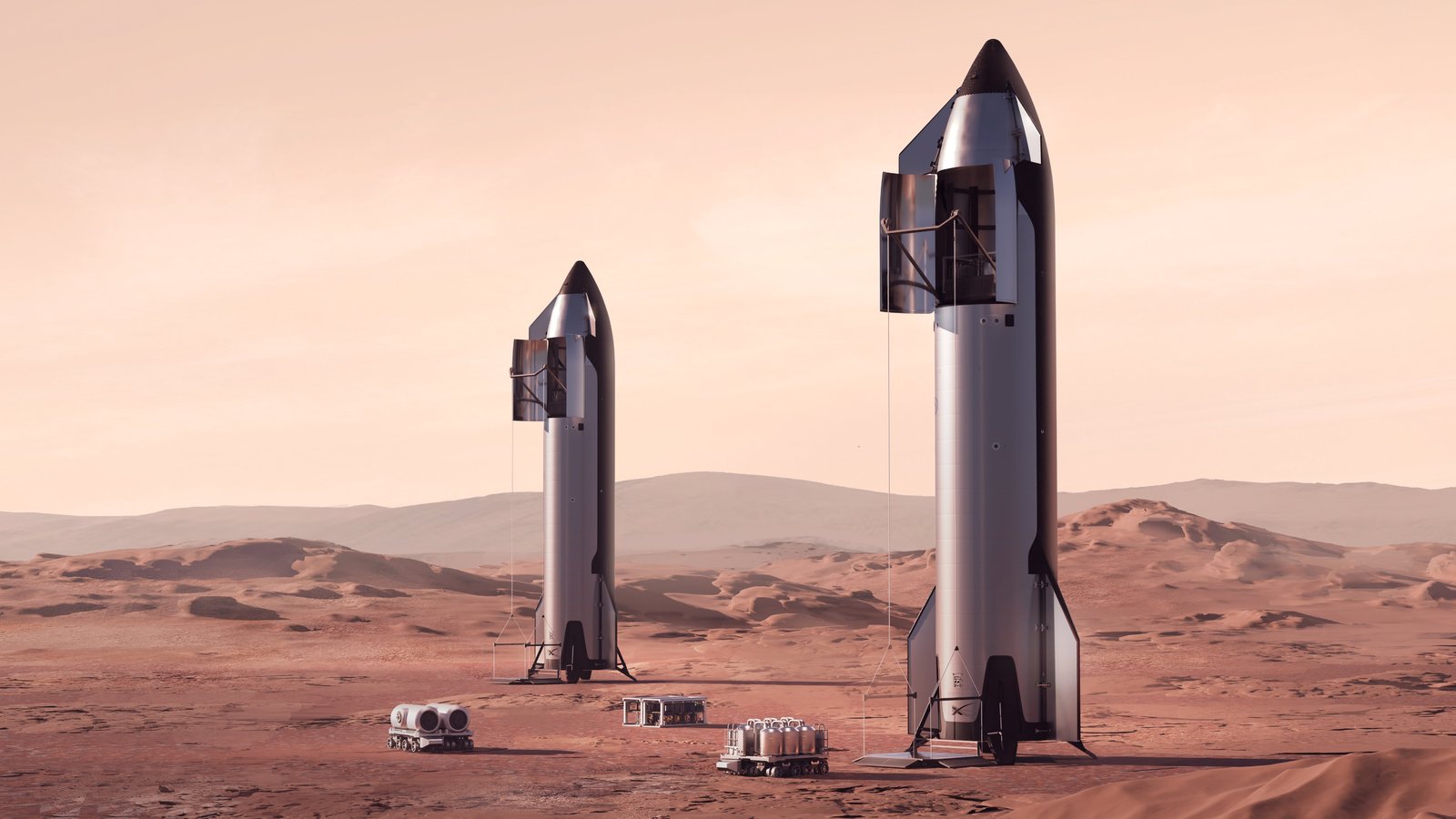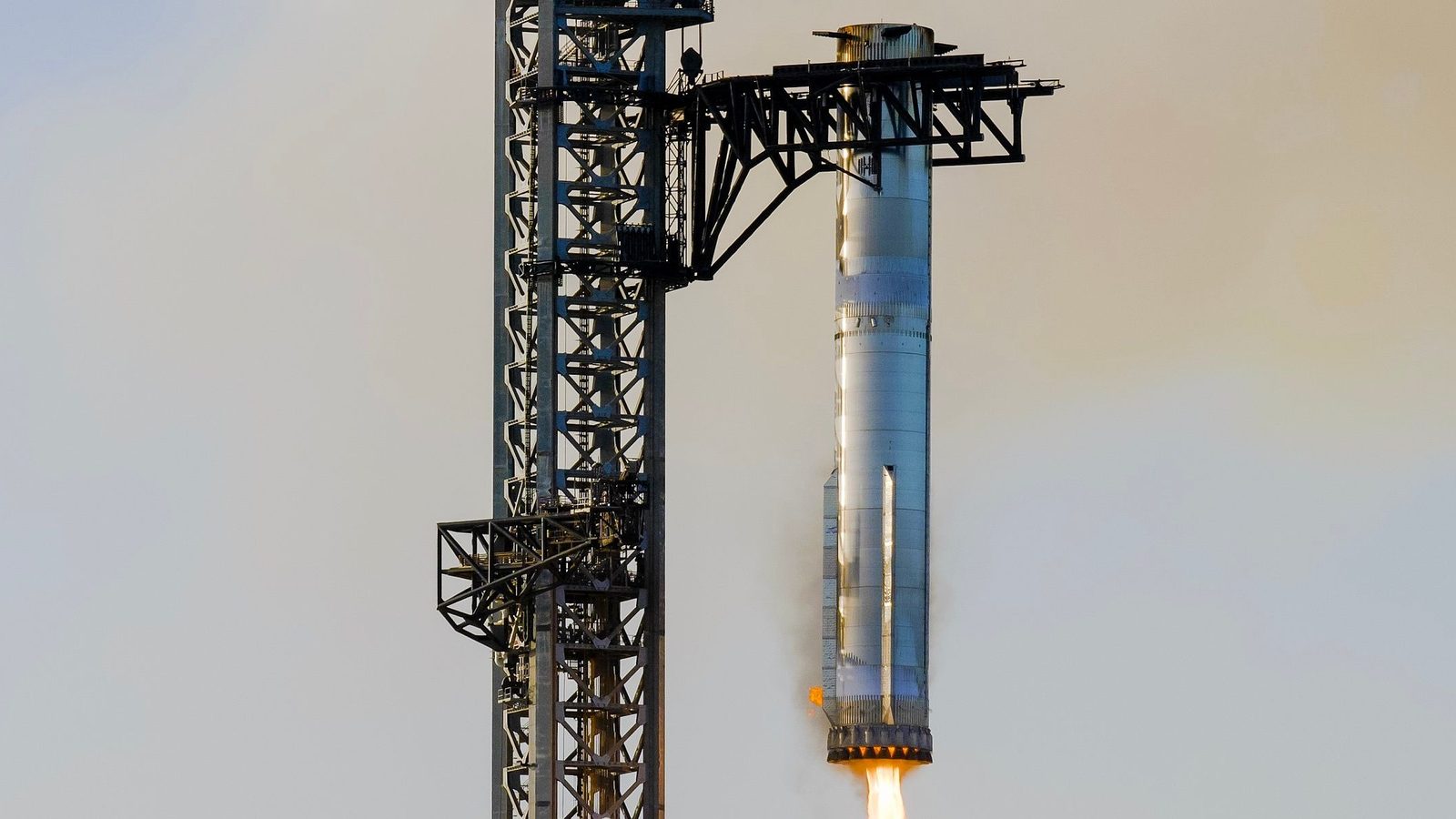

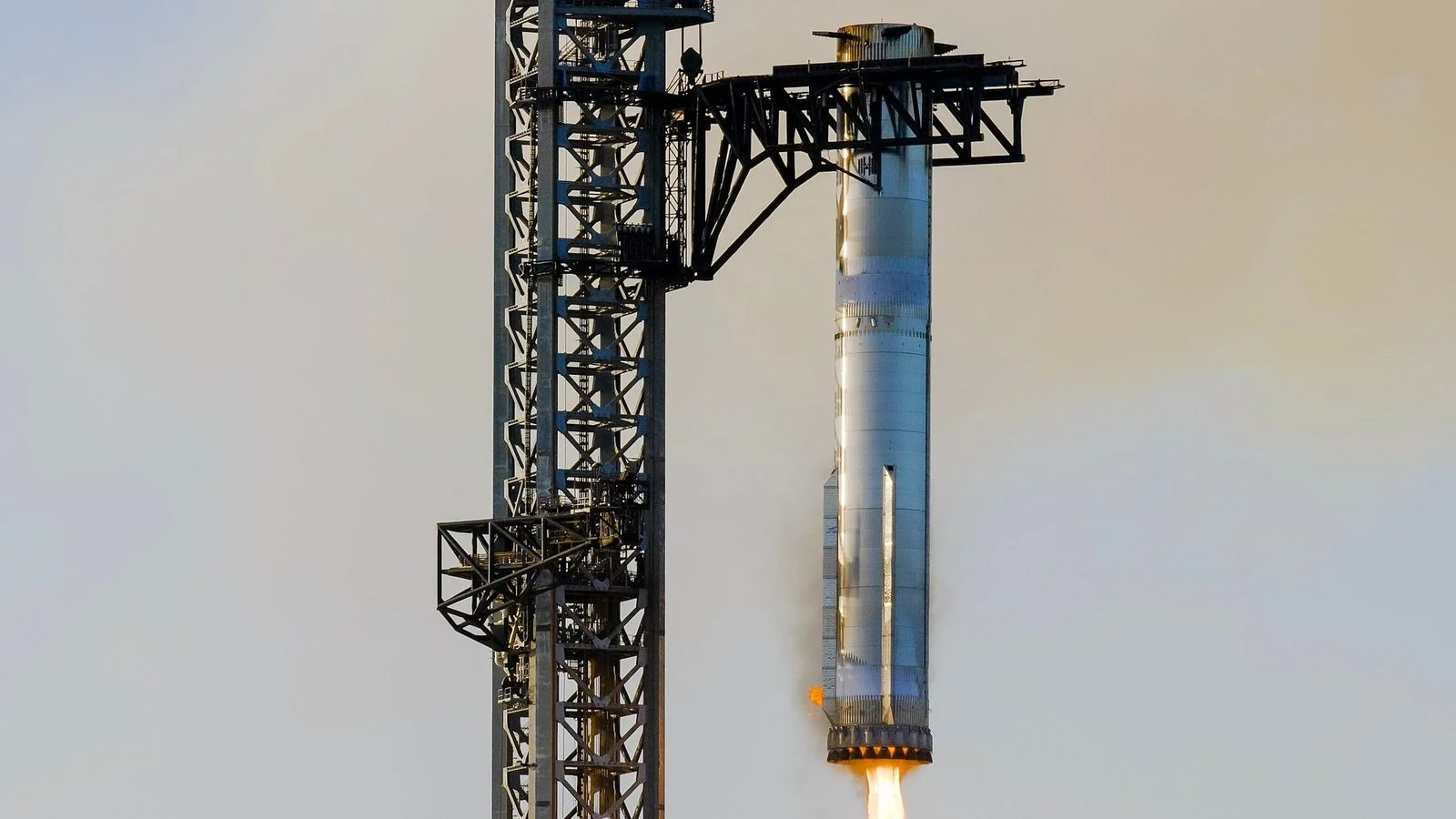
SpaceX plans two tower catches on Flight 15: Super Heavy first, then the ship after its return from space. It would be the first ship catch attempt. The expected pair is Booster 22 and Ship 42 from Pad 2 at Starbase. The reported target is NET 13 November 2026, time TBD, with FAA approval and the final flight profile still pending. The two vehicles would not arrive at the tower together.
This page follows the Flight 15 plan. For the tower's mechanics, use How does the Starship catch work?. For the reentry and landing problems, use Why is catching the ship harder?.
What has SpaceX said about the two catches?
On the 20 October earnings call, Elon said Flight 15 would attempt to catch both the booster and the ship, Space.com reported. Either catch can still be called off on launch day.
Next Spaceflight lists B22 and S42 and the Pad 2 launch site, but describes the catch profile as pending final confirmation. Teslarati's 5 November report gives the NET 13 November target from Kiko Dontchev's UP.Summit remarks. No launch window or catch timeline is published.
How would the booster catch differ from the ship catch?
The booster separates during ascent and turns back towards the launch site. Its recovery does not require a trip around Earth. A ship return comes after the ship's own flight through space, a deorbit manoeuvre if it enters orbit, atmospheric reentry and a landing flip.
| Part of the plan | Super Heavy B22 | Ship S42 |
|---|---|---|
| Job on ascent | Lift the full stack, then separate | Continue the flight after hot staging |
| Path back | Boostback and descent towards Starbase | Return from space, reentry and final approach |
| Final manoeuvre | Landing burn and tower approach | Landing burn, flip upright and tower approach |
| Catch history | Earlier boosters have been caught | No ship has been caught yet |
| Flight 15 timing | TBD | TBD |
The catches are separate decisions. On Flight 6, SpaceX's automated tower checks called off the booster catch and it splashed down instead. Flight 15's backup recovery plans have not been published.
What is the Flight 15 dual-catch timeline?
Watch for launch, stage separation, booster recovery, then the ship's return. Flight duration, payload operations, catch times and tower-handling steps are still TBD. Flight 14's timetable does not apply.
Flight 14 showed why that distinction matters. SpaceX says the ship reached orbit, deployed 26 Starlink V3 satellites, then came down earlier than originally planned after an ascent engine issue. Its successful splashdown was not a catch. Read every Starship flight so far for the earlier outcomes, or the Flight 15 watch guide for the phases to follow live.
What would a successful dual catch prove?
It would show that both stages can return to the tower on one flight. SpaceX would still need to confirm each stage's condition and any payload results.
A catch does not prove rapid reuse. That takes inspection findings, repairs and a reflight.
Why does this matter beyond one flight?
Starship is designed around reuse of both stages. Recovering the ship is the missing step in that recovery plan. Future reflight and in-space operations also matter to Artemis and Starship's Human Landing System work, but Flight 15 is not a crewed Moon landing or proof that lunar operations are ready.
For the overall vehicle, read What is Starship?. For the latest readiness checks and the next flights, use the Starship tracker and full Flight 15 preview. For space models and observing equipment, see our gear page.
What happened to each stage on Flight 15?
Results will be added after the flight. We will check the booster and ship outcomes against SpaceX's report. Follow the Flight 15 live page and results.
What comes after the catch attempts?
SpaceX will need to assess the vehicles and tower. We will add its inspection findings and next-flight plans when published.