
China launches with the Long March family (Chang Zheng in Chinese), built mainly by the China Aerospace Science and Technology Corporation (CASC). Crew fly on Shenzhou (“Divine Vessel”), China’s crew spacecraft. Cargo goes up on Tianzhou (“Heavenly Vessel”), the cargo ship for the Tiangong (“Heavenly Palace”) space station. The China National Space Administration (CNSA) runs lunar Chang’e missions (named after the Moon goddess) and the Tianwen (“Questions to Heaven” / “Quest for Heavenly Truth”) planetary programme. Crewed flights are managed by the China Manned Space Agency (CMSA). A growing private sector adds small and medium rockets. This guide focuses on vehicles that are active or clearly in test, with short notes on what is coming. For SpaceX and India, see the SpaceX and India guides.
Updated: 9 November 2026 (Asia/Calcutta).
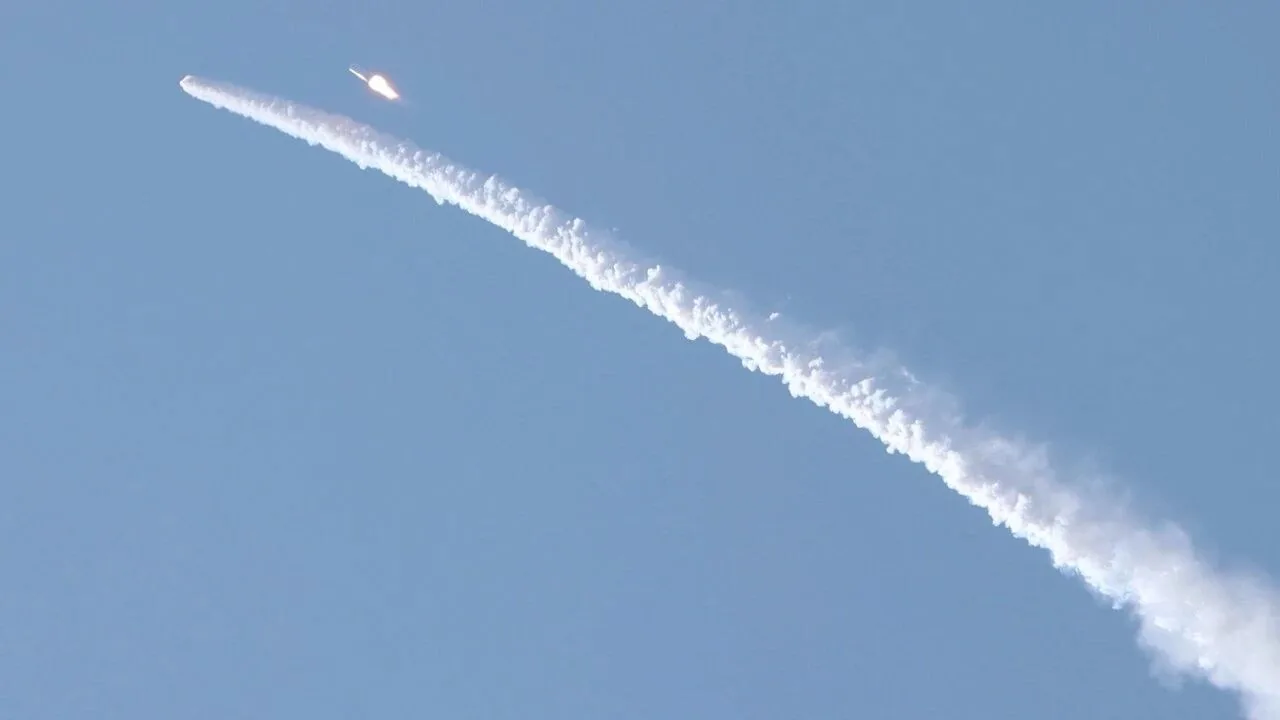
Government rockets: Long March family (active variants)
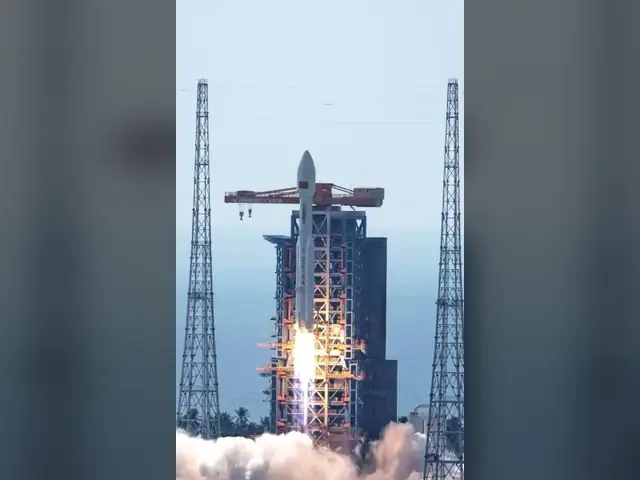
CASC’s Long March line covers small to heavy lift. Low Earth orbit (LEO) is a few hundred kilometres up; geostationary transfer orbit (GTO) is the high oval path used to reach geostationary altitude. Figures below use an independent launch catalogue configs queried on 9 November 2026 (payloads and heights as the catalogue stores them from public filings and agency data). Treat payload numbers as catalogue values; mission-specific loads vary.
| Variant | Height | LEO payload | Flights tot / ok / fail (catalogue, 9 Nov 2026) | Maiden |
|---|---|---|---|---|
| Long March 5 | 57 m | 25,000 kg | 9 / 9 / 0 | 3 Nov 2016 |
| Long March 5B | 53.66 m | 25,000 kg | 4 / 4 / 0 | 5 May 2020 |
| Long March 7 | 53.1 m | 13,500 kg | 10 / 10 / 0 | 25 Jun 2016 |
| Long March 7A | (see the catalogue) | (GTO-focused) | 18 / 16 / 2 | 16 Mar 2020 |
| Long March 8 | 50.34 m | 8,100 kg | 6 / 6 / 0 | 22 Dec 2020 |
| Long March 8A | 50.5 m | 9,800 kg | 12 / 12 / 0 | 11 Feb 2025 |
| Long March 12 | 62 m | 12,000 kg | 10 / 10 / 0 | 30 Nov 2024 |
| Long March 2F | crew | (crew to LEO) | (active for Shenzhou) | (crew rocket) |
Older workhorses Long March 2C, 2D, 3B/3C and 4B/4C remain active for satellites and some navigation and Earth-observation missions. Official CASC photo pages on spacechina.com document many of those flights.
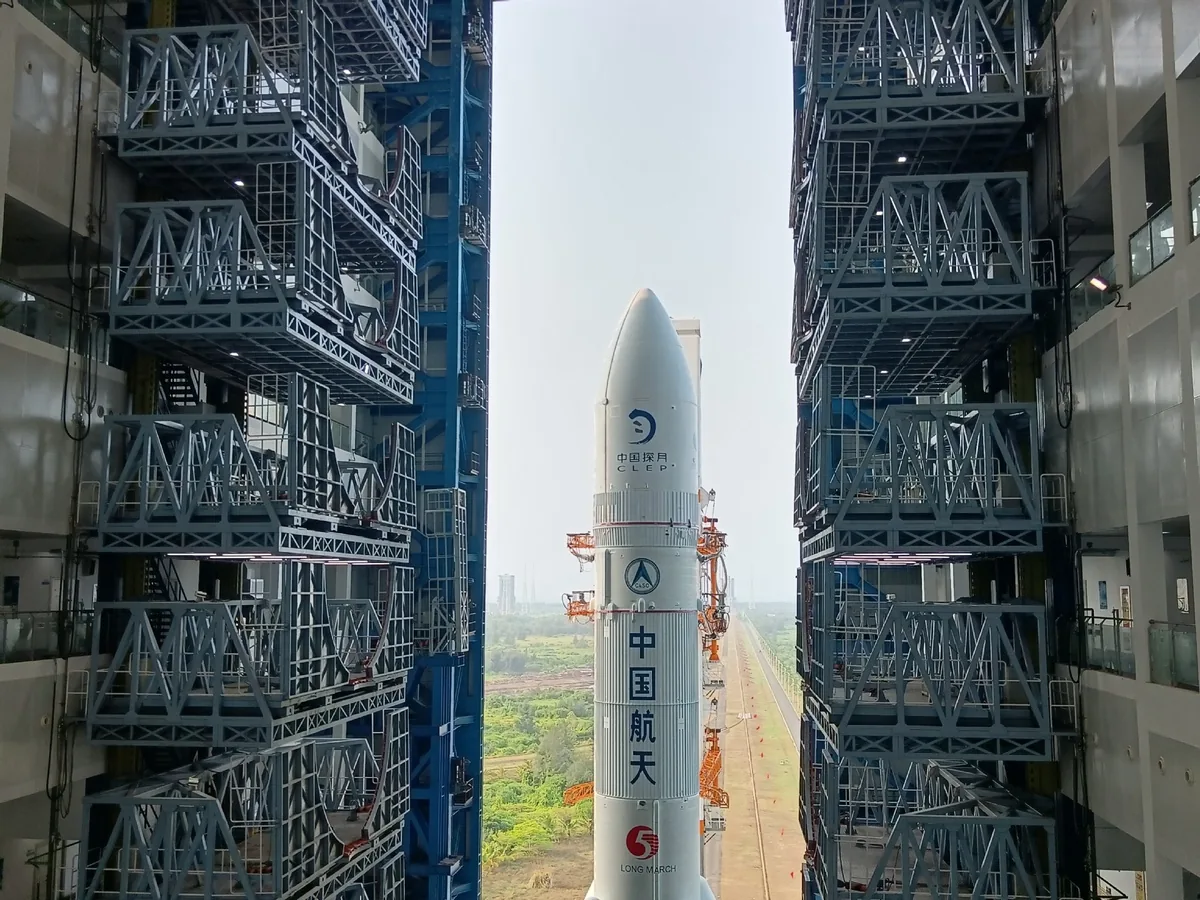
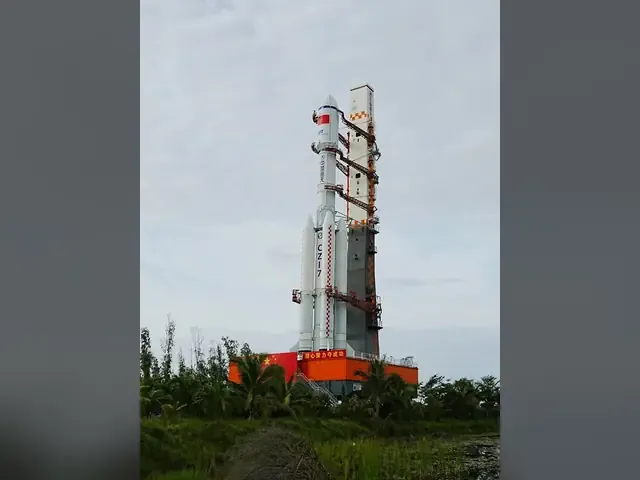
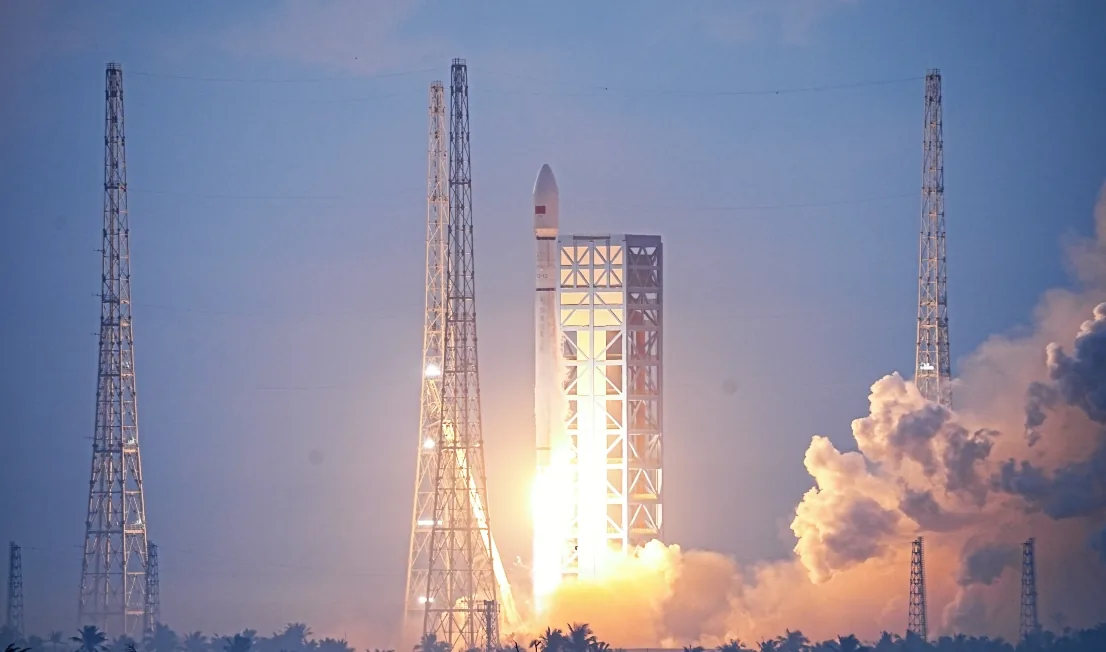
Government spacecraft
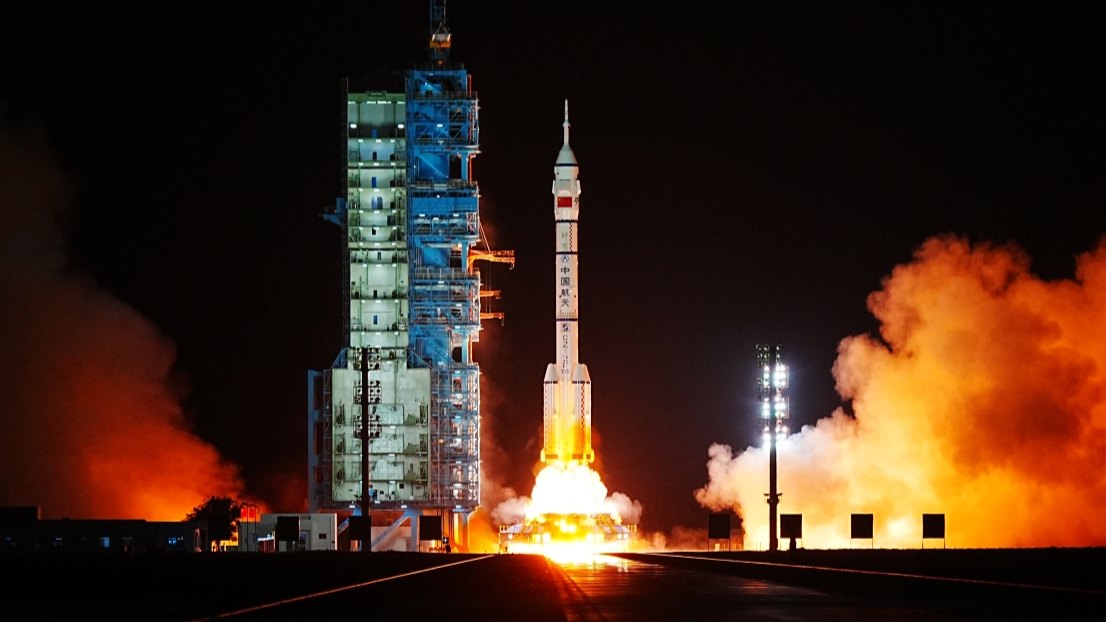
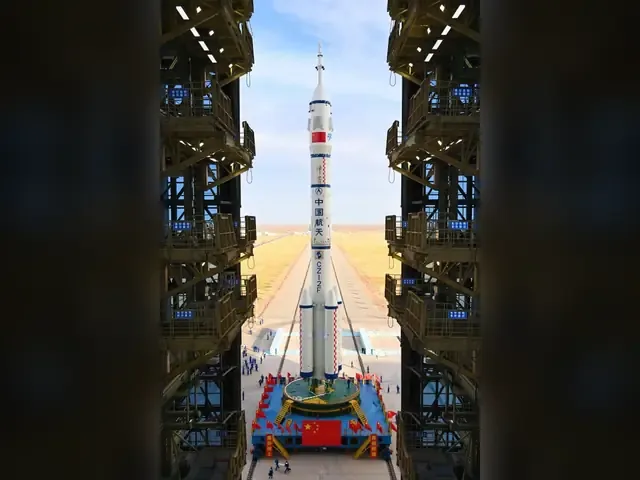
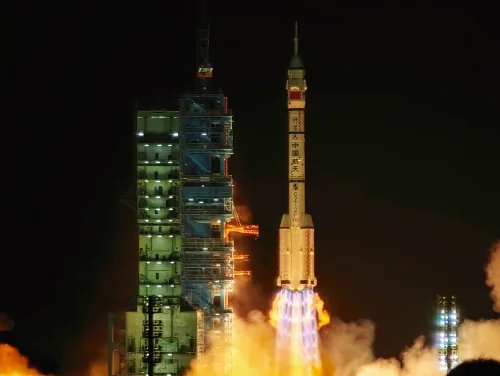
Shenzhou (“Divine Vessel”). China’s crewed capsule for Tiangong. CMSA’s English missions page lists Shenzhou-23 launched at 23:08 Beijing Time on 24 May 2026 on Long March 2F from Jiuquan. Secondary trackers count 17 crewed Shenzhou flights through Shenzhou 23; use CMSA mission pages for each flight’s official statement.
Tianzhou (“Heavenly Vessel”). Cargo and propellant resupply to Tiangong, launched on Long March 7. CMSA lists Tianzhou-10 launched at 08:14 Beijing Time on 11 May 2026 from Wenchang.
Chang’e. Lunar programme named after the Moon goddess in Chinese mythology (orbiters, landers, sample return). Operated under CNSA with CASC launchers, often Long March 5 for heavy sample-return class missions.
Tianwen (“Questions to Heaven”). Planetary programme named after Qu Yuan’s poem; CNSA also renders it as “Quest for Heavenly Truth.” Tianwen-1 reached Mars. Later Tianwen missions are planned for asteroids and a Mars sample return; confirm each on CNSA releases when citing dates.
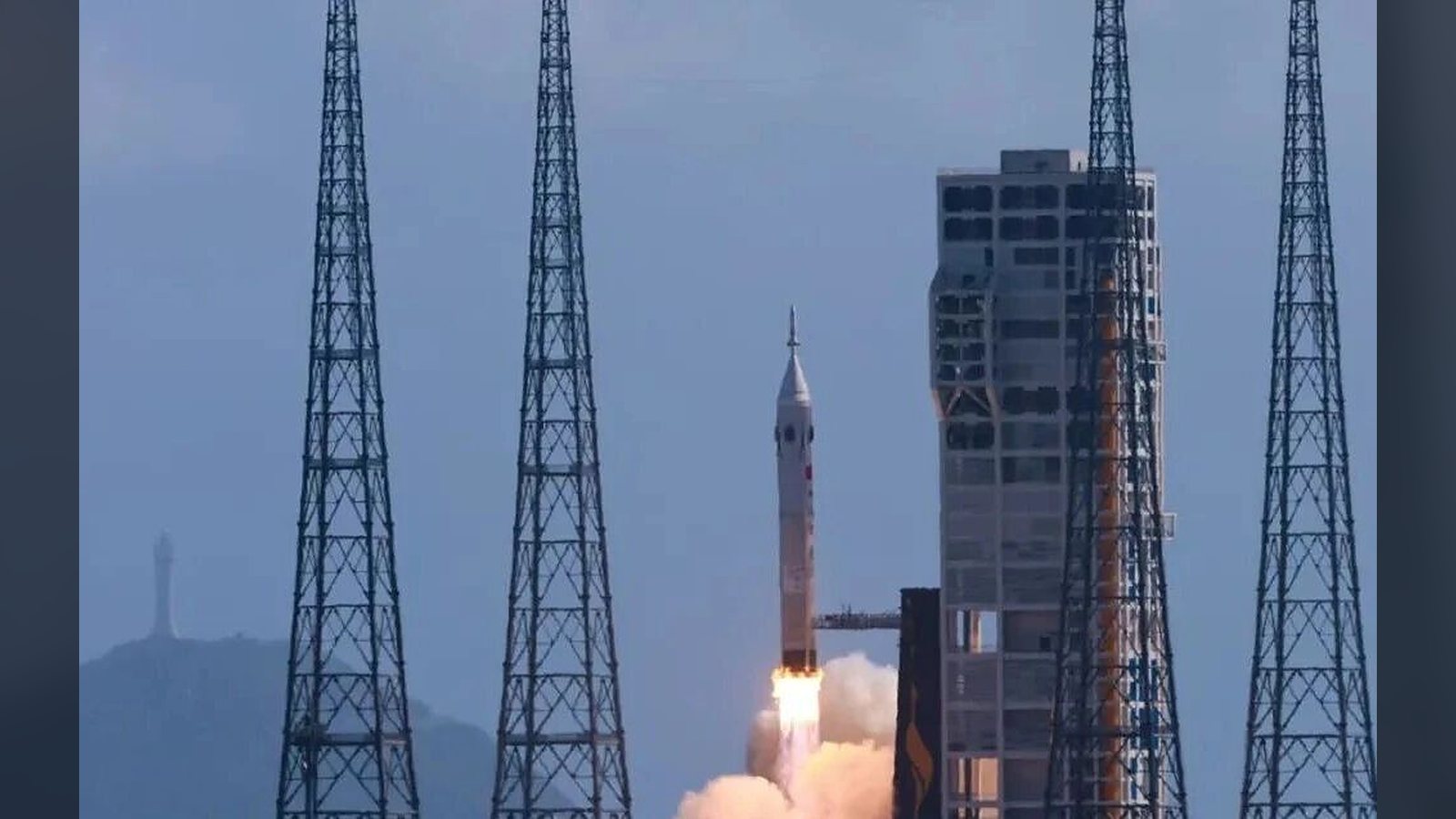
Mengzhou (“Dream Vessel”). Next-generation crewed spacecraft for Tiangong and the crewed Moon plan (CMSA naming, February 2024). A Long March 10 test with Mengzhou flew a max-q escape demonstration from Wenchang on 11 February 2026 (CASC imagery). China’s crewed lunar architecture uses Mengzhou plus the Lanyue lander; see our China crewed Moon landing plan.
Private rockets (selected, active or recently flown)
Flight counts from independent launch-catalogue data as of 9 November 2026 unless noted. Specs are company or the catalogue catalogue values; always check the company’s current user guide for a booked mission.
| Rocket | Company | Notes | the catalogue flights (9 Nov 2026) |
|---|---|---|---|
| Ceres-1 / Ceres-1S | Galactic Energy (Xinghe Dongli) | Small solid / hybrid stack | Ceres-1 17 tot (15 ok); Ceres-1S 7/7 |
| Ceres-2 (Gushenxing-2) | Galactic Energy | Larger follow-on | 2 tot (1 ok, 1 fail); maiden 17 Jan 2026 |
| Zhuque-2 / 2E | LandSpace | LOX / methane | See the catalogue / company updates; CNSA has posted 2E flight photos |
| Zhuque-3 | LandSpace | Larger methane, landing tests | In flight test; company posts landing-burn video |
| Kinetica-1 (Lijian-1) | CAS Space | Solid small launcher | Active; company product pages |
| Kinetica-2 (Lijian-2) | CAS Space | Larger; McDowell notes Nov 2026 Qianfan launch | Active in 2026 |
| Gravity-1 | Orienspace | Sea-launched solid | Flown; see company and the catalogue |
| Hyperbola-1 | iSpace | Early private solid | Sparse 2026 flights in public trackers |
| Tianlong-2 | Space Pioneer | LOX / kerosene class | Check company and the catalogue for latest |
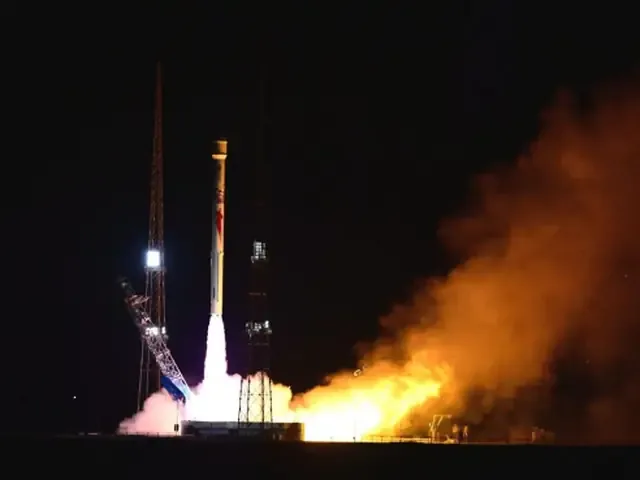
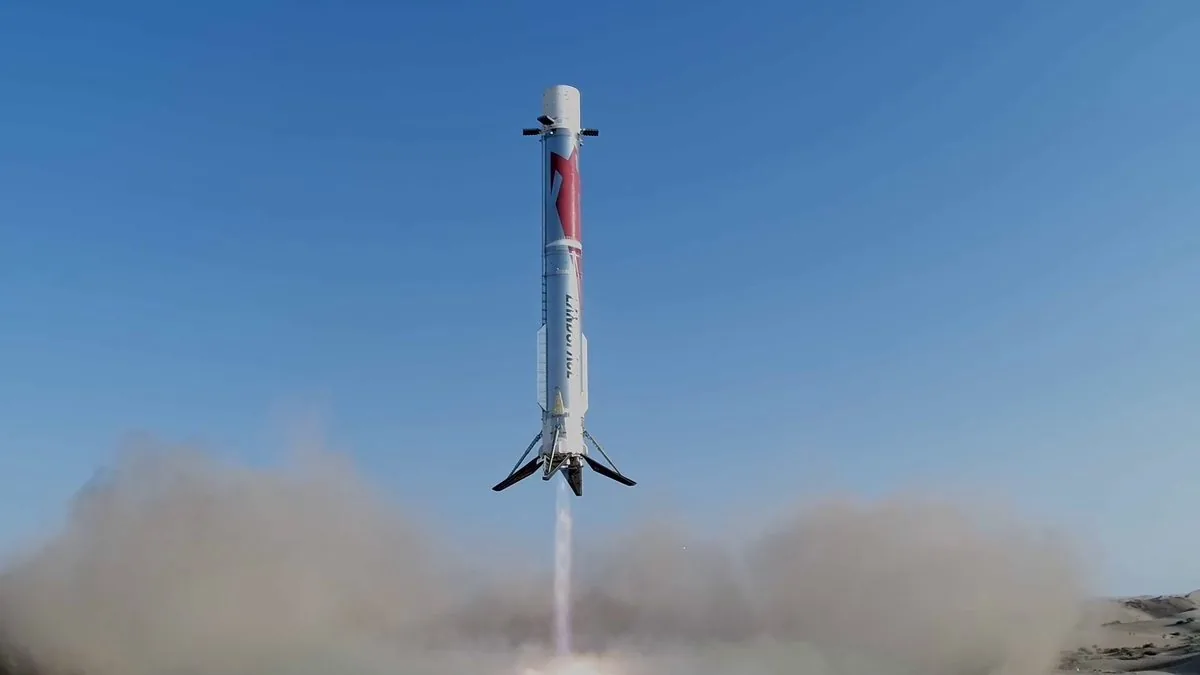
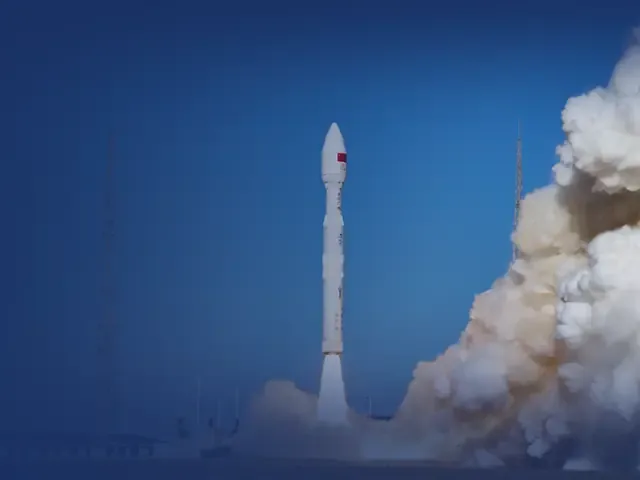
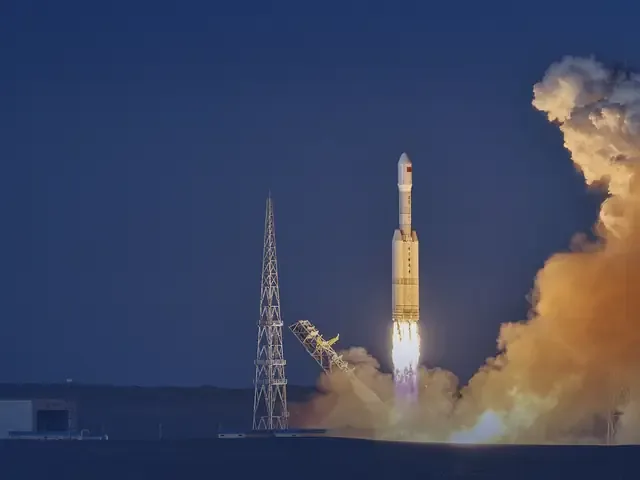
Jonathan McDowell’s early November 2026 draft notes also record a CAS Space Lijian-2 Qianfan launch on 3 November 2026 and a Galactic Energy Ceres-2 flight on 6 November 2026.
Coming next
- Long March 10 / 10A / 10B: crew and lunar architecture rockets. that catalogue listed Long March 10B with a 10 July 2026 maiden in its catalogue at query time; treat individual debut dates as subject to CMSA/CASC confirmation.
- Mengzhou crewed flights and uncrewed lunar rehearsal flights ahead of a crewed Moon landing “before 2030” (CMSA symposium reporting, Oct 2026).
- Private reusable methane rockets (Zhuque-3 class and peers) aiming for higher flight rates.