
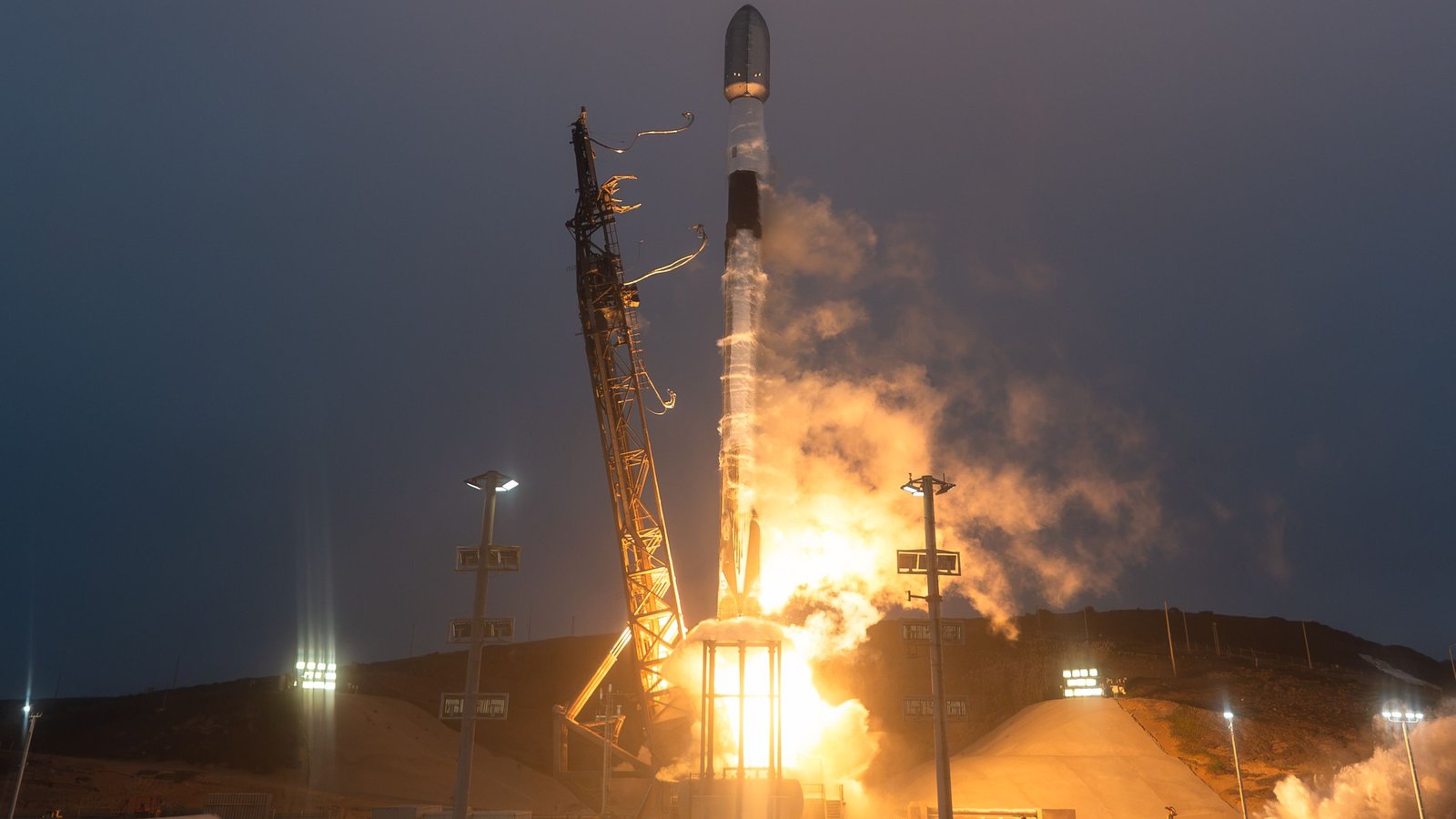
SpaceX’s active orbital rockets are Falcon 9, Falcon Heavy and Starship, plus the Crew Dragon and Cargo Dragon spacecraft. Low Earth orbit (LEO) is a few hundred kilometres up; geostationary transfer orbit (GTO) is the high oval path used on the way to geostationary altitude. Falcon 9 and Falcon Heavy handle most satellite and Dragon missions. Starship is the fully reusable heavy system flying from Starbase, Texas: it reached orbit on Flight 14 on 28 September 2026 and has deployed Starlink V3 satellites (SpaceX Flight 14 summary; Flight 13 also deployed Starlink V3). This guide covers past versions briefly, active vehicles in detail, and what is planned. Specs are from SpaceX’s vehicle pages. Flight counts use independent launch-catalogue data queried on 9 November 2026, and NASA pages where noted.
Updated: 9 November 2026 (Asia/Calcutta).
Active now: Falcon 9 Block 5
Falcon 9 is a two-stage, partially reusable rocket. The first stage lands for reuse; the second stage is expended. SpaceX’s Falcon 9 page lists:
| Spec | Value (SpaceX) |
|---|---|
| Height | 70 m |
| Diameter | 3.7 m |
| Mass | 549,054 kg |
| Payload to LEO | 22,800 kg |
| Payload to GTO | 8,300 kg |
| Payload to Mars | 4,020 kg |
| First stage | 9 Merlin engines (LOX / RP-1) |
| Second stage | 1 Merlin Vacuum |
Block 5 is the current production version (first flight 11 May 2018). In independent launch-catalogue data as of 9 November 2026, Falcon 9 Block 5 had 645 launches, 644 successes and 1 failure. Across the whole SpaceX agency record that day, that catalogue listed 689 successful landings out of 717 attempts.
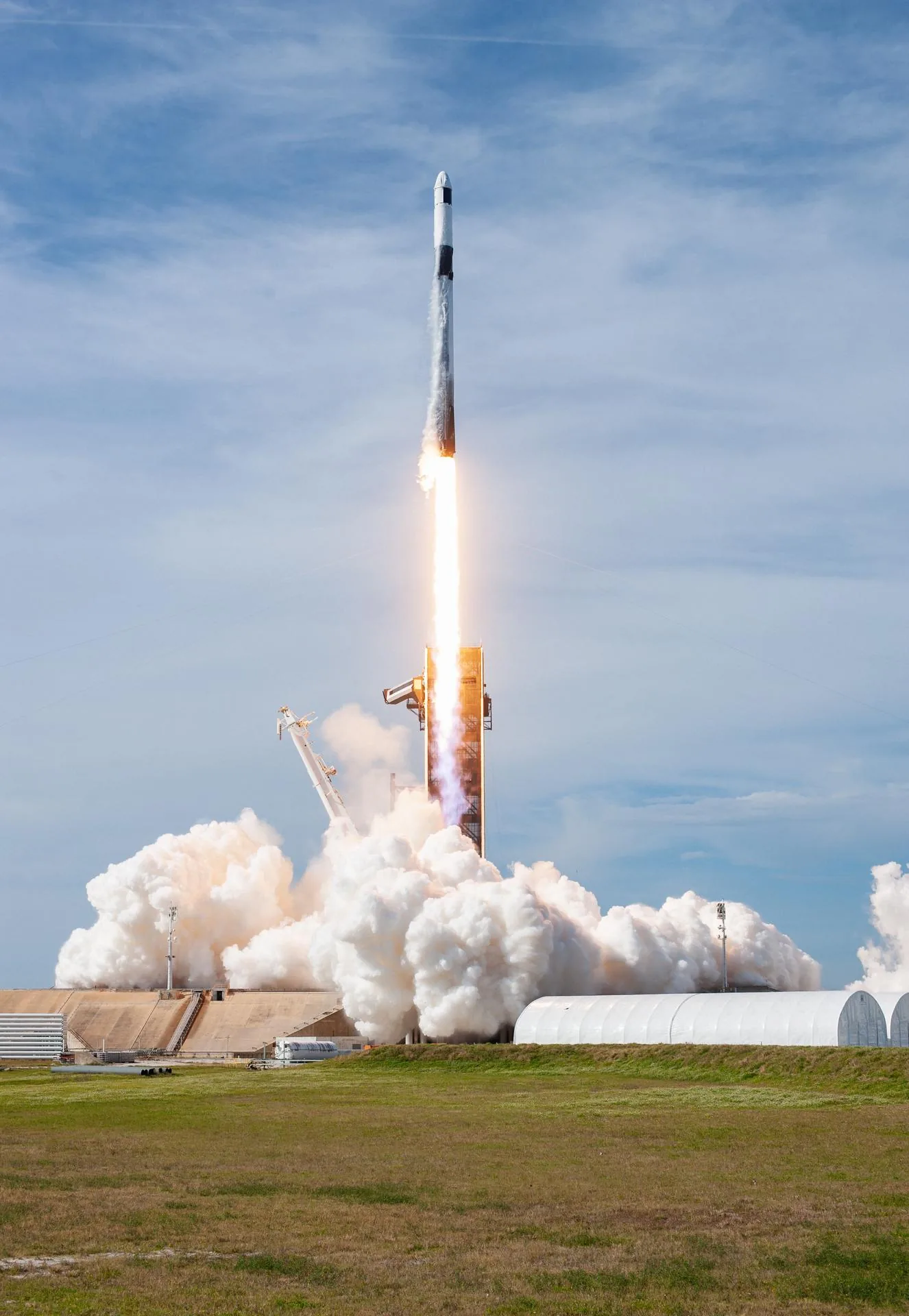
Falcon 9 flies Starlink batches, NASA crew and cargo Dragons to the International Space Station (ISS), national security missions and commercial satellites from Florida and California. For current windows, see /launches/ and our next SpaceX launch pages.
Active now: Falcon Heavy
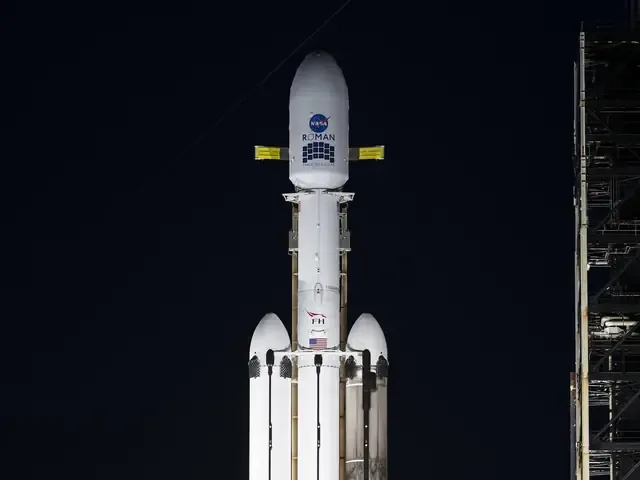
Falcon Heavy is three Falcon 9 cores side by side. SpaceX’s Falcon Heavy page lists more than 5 million pounds of thrust at liftoff and:
| Spec | Value (SpaceX) |
|---|---|
| Height | 70 m |
| Width | 12.2 m |
| Mass | 1,420,788 kg |
| Payload to LEO | 63,800 kg |
| Payload to GTO | 26,700 kg |
| Payload to Mars | 16,800 kg |
| Engines at liftoff | 27 Merlin |
independent launch-catalogue data as of 9 November 2026 listed 14 Falcon Heavy launches, all successful (maiden flight 6 February 2018).
Active now: Crew Dragon and Cargo Dragon
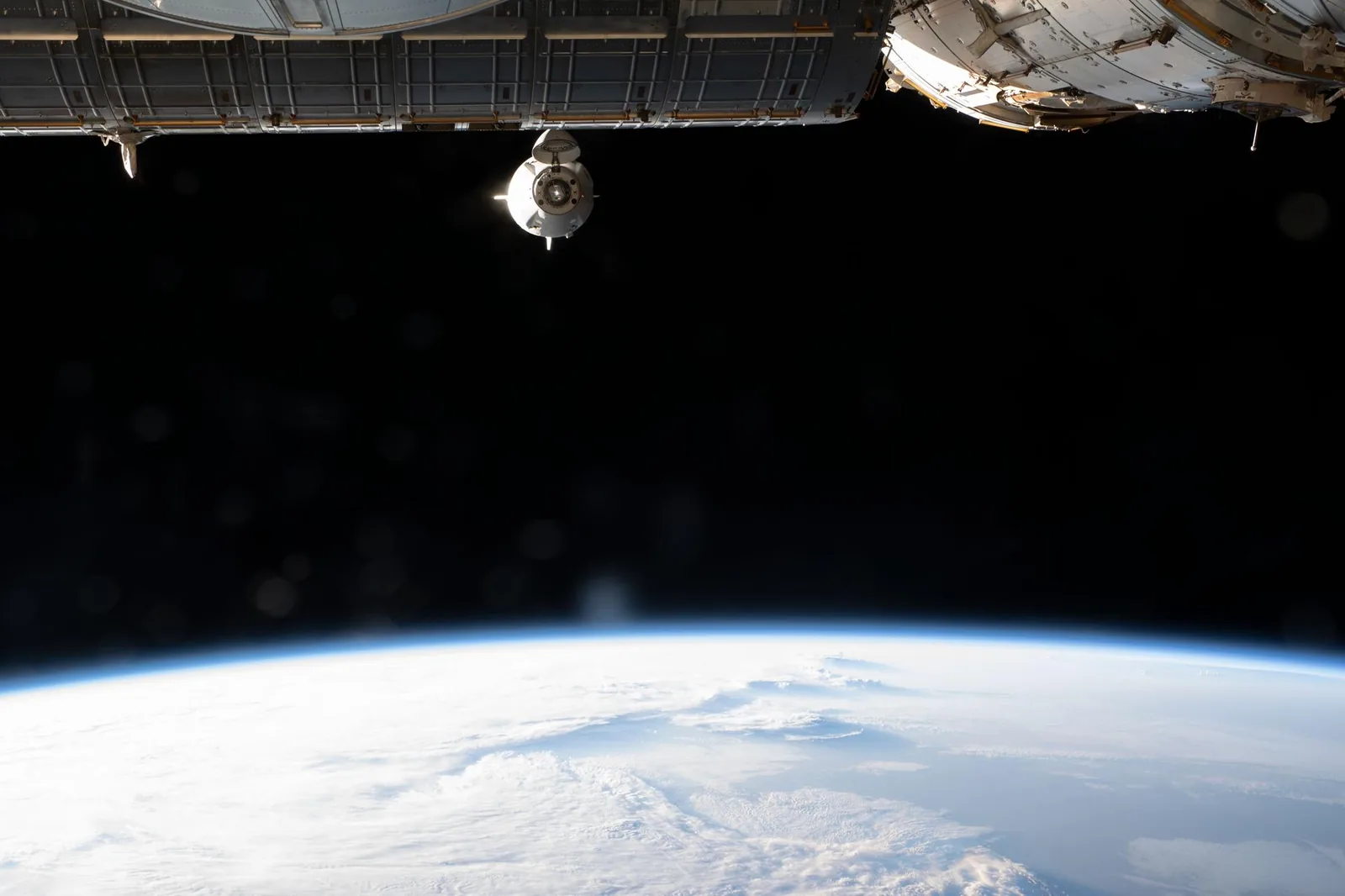
SpaceX’s Dragon page describes one family that flies people and cargo:
| Spec | Value (SpaceX) |
|---|---|
| Height | 8.1 m |
| Diameter | 4 m |
| Pressurized volume | 9.3 m³ |
| Trunk volume | 37 m³ |
| Launch payload mass | 6,000 kg |
| Return payload mass | 3,000 kg |
| Thrusters | 16 Draco; 8 SuperDracos for launch escape |
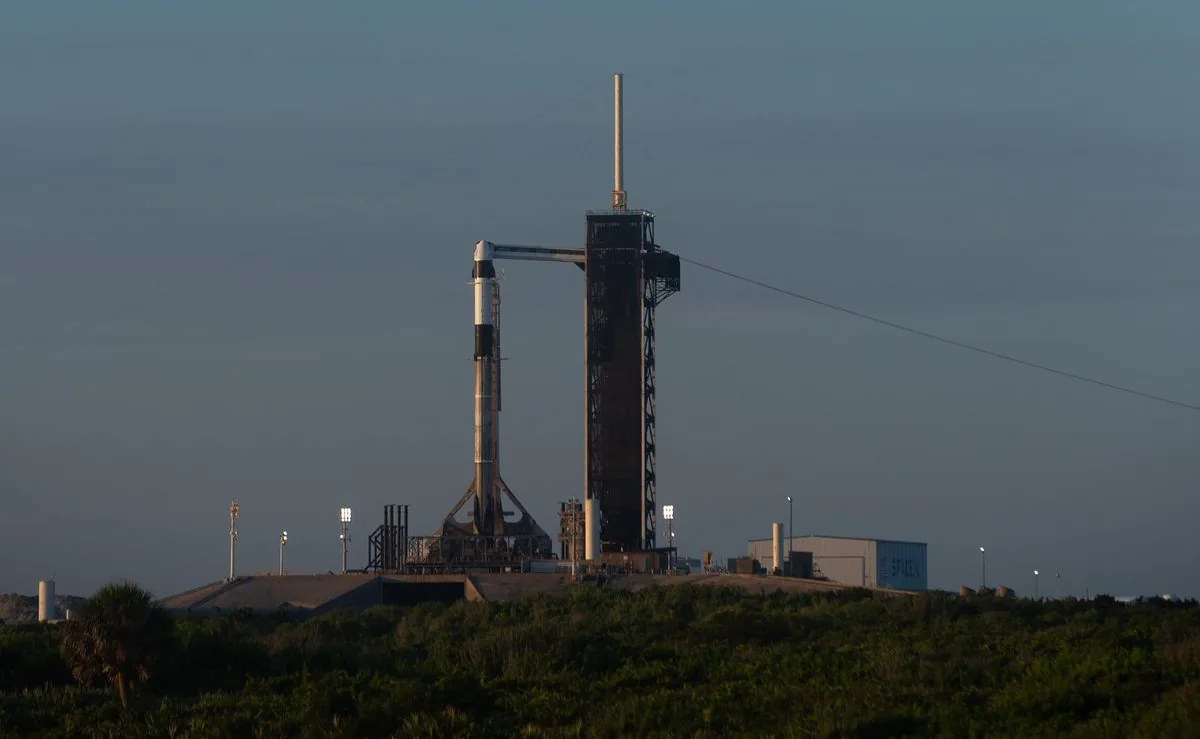
Crew Dragon flies NASA Commercial Crew rotations to the International Space Station and private missions. NASA’s visiting vehicles page lists SpaceX Crew-13 launch on 1 October 2026, with Crew-12 and CRS cargo flights earlier in 2026. Cargo Dragon flies NASA Commercial Resupply Services (CRS) missions and can return cargo to Earth.
Active now: Starship and Super Heavy
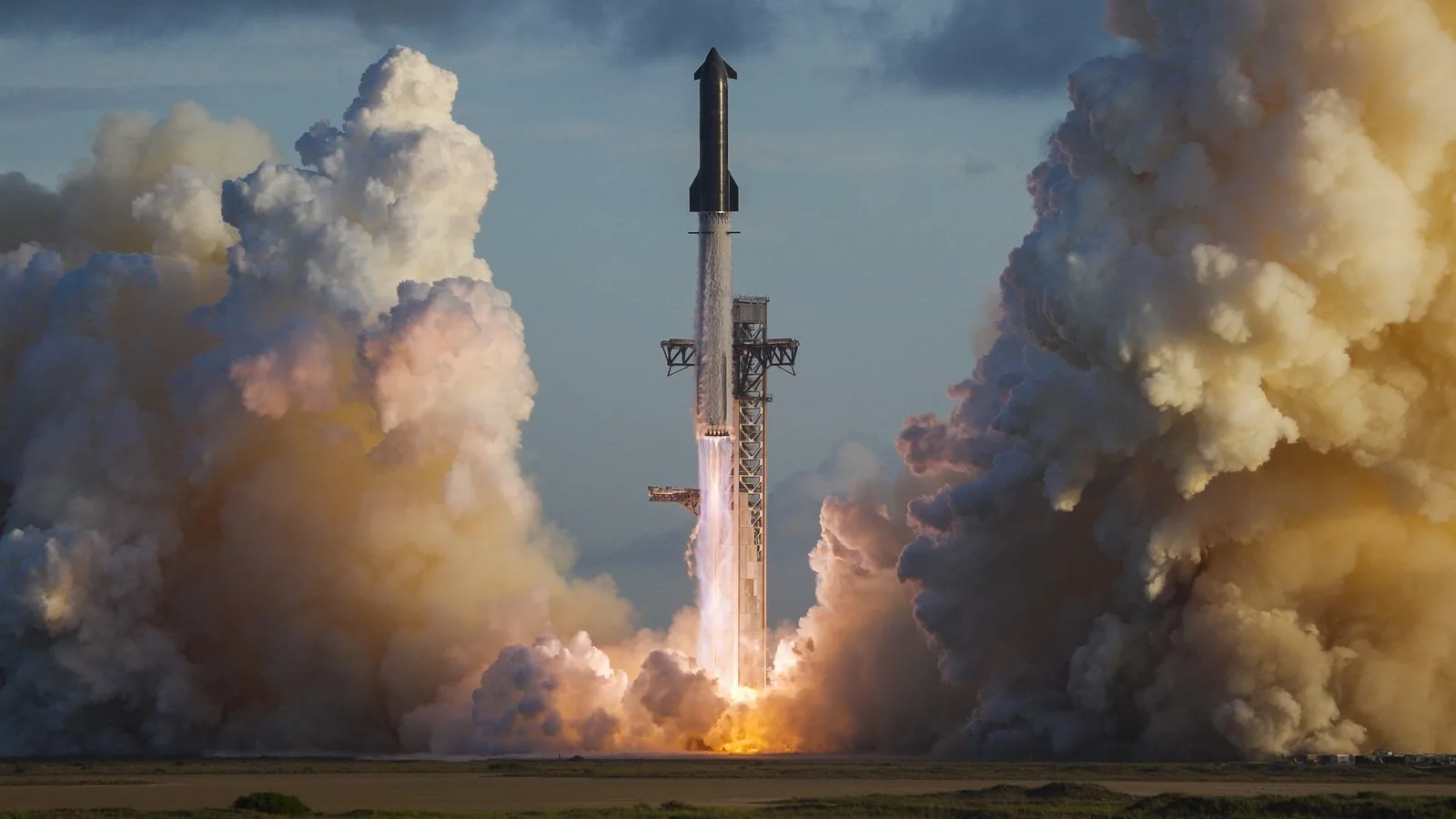
Starship is SpaceX’s active fully reusable two-stage orbital rocket. The lower stage is Super Heavy; the upper stage is also called Starship. The Starship vehicle page lists:
| Spec | Value (SpaceX) |
|---|---|
| Full stack height | 124 m |
| Diameter | 9 m |
| Design payload (reusable) | 100+ t |
| Ship height / propellant | 52 m / about 1,600 t |
| Super Heavy height / propellant | 72 m / about 3,650 t |
| Super Heavy engines | 33 Raptor (methane / LOX) |
| Ship engines | 3 Raptor + 3 Raptor Vacuum |
Operational missions so far (sourced): SpaceX’s Flight 13 summary (24 July 2026) says the ship deployed Starlink V3 satellites. SpaceX’s Flight 14 summary (28 September 2026) says the stack reached orbit for the first time and deployed 26 Starlink V3 satellites. Flight 15 is planned to deploy more Starlink V3 satellites and attempt catches of both stages. For the next window and every completed flight, use the Starship tracker, plus every Starship flight so far and what is Starship.
Development context: fourteen full-stack flights from Starbase (April 2023 to September 2026) built up to orbital capability. Tower catches of Super Heavy and ship return-to-tower attempts remain part of that development path, even as Starship already flies orbital Starlink deployments.
Brief history: past rockets and spacecraft
| Vehicle | Role | Notes (sourced) |
|---|---|---|
| Falcon 1 | First SpaceX orbital rocket | the catalogue: 5 launches, 2 successes; maiden 24 March 2006 |
| Falcon 9 v1.0 | Early Falcon 9 | the catalogue: 5 launches, 4 successes; maiden 4 June 2010 |
| Falcon 9 v1.1 | Stretched tanks, landing legs later | the catalogue: 15 launches, 14 successes; maiden 29 September 2013 |
| Falcon 9 Full Thrust / Block 4 | Higher performance, early reuse | the catalogue Full Thrust 25 launches (24 success); Block 4 12/12 |
| Dragon 1 | Cargo to ISS under CRS-1 | Retired after CRS-20; replaced by Cargo Dragon 2 |
| Crew Dragon Demo-1 / Demo-2 | Uncrewed then crewed ISS tests | Demo-2 (2020) returned US crew launch from US soil |
Merlin engines (LOX / RP-1) power Falcon stages. SpaceX quotes Merlin sea-level thrust at 845 kN on the Falcon 9 page.
Planned: later Starship capabilities, HLS and more
Starship is already flying. What is still ahead on SpaceX’s vehicle page includes routine on-orbit refilling, Moon and Mars cargo (cargo flights “start no earlier than 2028” at listed rates), and rapid tower catch reuse of both stages. NASA selected a Starship Human Landing System (HLS), the Moon lander version of Starship, for Artemis lunar landings; see NASA’s Artemis pages and our Artemis coverage. Exact Block or version names and certified payload numbers can change, so treat marketing payload figures as design goals until SpaceX publishes a certified user-guide number for a given configuration.
Quick answers
Which SpaceX rocket flies most often? Falcon 9 Block 5, with hundreds of flights in the catalogue’s 2026 record. Starship flies less often but is an active orbital launcher from Starbase.
Can Falcon Heavy fly people? SpaceX has not flown crew on Falcon Heavy. Crew use Falcon 9 with Crew Dragon.
Where do they launch? Florida (Kennedy and Cape Canaveral), Vandenberg in California, and Starbase in Texas for Starship.