
India has 56 operational satellites, the government told Parliament on 12 February 2026. It has launched 135 in total. The figure came from a written reply in the Rajya Sabha by Dr Jitendra Singh, the minister for the Department of Space, published by the Press Information Bureau. That is the latest official total. ISRO, the Indian Space Research Organisation, has not published a newer one.
Status as of 3 November 2026: the official count is still 56, dated 12 February 2026. Since then India has launched two satellites, EOS-05 and NVS-03, and one older navigation satellite lost its clock. We will update this page when the government or ISRO publishes a new total.
How many satellites does India have, by type?
Here is the government's table from February 2026. "Launched" counts every satellite India has sent up in that category since the start of its programme. "Operational" counts the ones still working.
| Type of satellite | Launched | Operational (12 Feb 2026) |
|---|---|---|
| Earth observation | 50 | 21 |
| Communication | 43 | 20 |
| Navigation | 11 | 8 |
| Space science missions | 7 | 4 |
| Technology demonstration | 24 | 3 |
| Total | 135 | 56 |
Source: Department of Space reply in the Rajya Sabha, 12 February 2026.
A few things stand out.
- Earth observation is the biggest group. These are the satellites that photograph and scan India from orbit for uses like mapping, farming and disaster response. 21 of the 50 launched still work.
- Communication is close behind. These are the GSAT and CMS satellites in high orbit that carry TV, phone, internet and government links. 20 of 43 still work.
- Navigation is small. NavIC, India's own version of GPS, had 8 working satellites out of 11 launched.
- Technology demonstration has the lowest survival rate. 24 were launched and 3 still work. That is expected. Test satellites are often built to prove one idea and then retire.
In plain terms, a little over 4 in 10 of India's satellites are still working. The rest have reached the end of their lives, been switched off, or failed.
What does ISRO's own space report say?
ISRO publishes a yearly report on the state of space around Earth, the Indian Space Situational Assessment Report, or ISSAR. The 2025 edition was released on 8 April 2026, and ISRO posted a summary on 16 April. It counts Indian spacecraft a slightly different way.
By the end of 2025, according to ISSAR-2025:
- 144 Indian spacecraft had been launched, "including those from private operators/academic institutions". That is why it is higher than the government's 135.
- Government of India satellites in operation: 22 in low Earth orbit (LEO, a few hundred kilometres up) and 31 in geosynchronous orbit (GEO, about 36,000 km up, where a satellite keeps pace with Earth's spin).
- NVS-02 was still working, but in the wrong orbit. It was stuck in an elongated transfer orbit after its engine problem.
- Two deep-space missions were active: the Chandrayaan-2 orbiter around the Moon, and Aditya-L1, which watches the Sun from the Sun-Earth Lagrange point, a spot in space where it can keep a steady view of the Sun.
In my view, the two counts fit together. 22 plus 31 is 53. Add NVS-02 and the two deep-space craft and you get 56, the same as the February total. Neither the government nor ISRO says that is how the 56 was counted, though, so treat it as our arithmetic, not an official breakdown.
What has changed since February 2026?
The 56 figure is now almost nine months old. Here is what has happened since, from ISRO's own updates.
One satellite was lost just before the count. PSLV-C62 launched the EOS-N1 Earth observation satellite on 12 January 2026. ISRO's mission page says the rocket "encountered an anomaly during end of the PS3 stage", its third stage, so EOS-N1 did not reach orbit. That was before the February reply, so it never counted as operational.
A navigation satellite lost its clock. IRNSS-1F finished its 10-year design life on 10 March 2026. Three days later its atomic clock stopped, ISRO said. It now only sends one-way broadcast messages, so it can no longer help a receiver find its position.
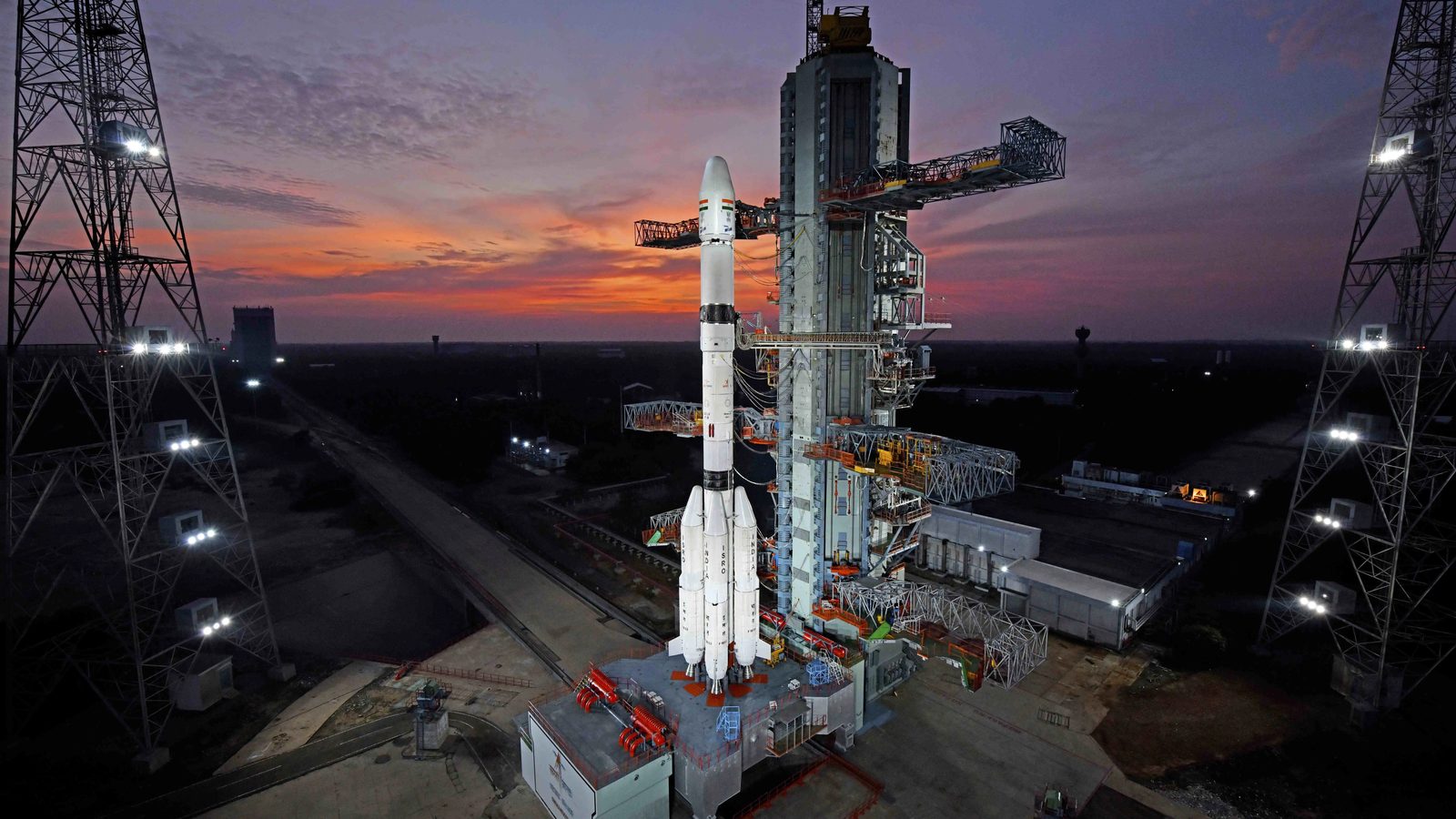
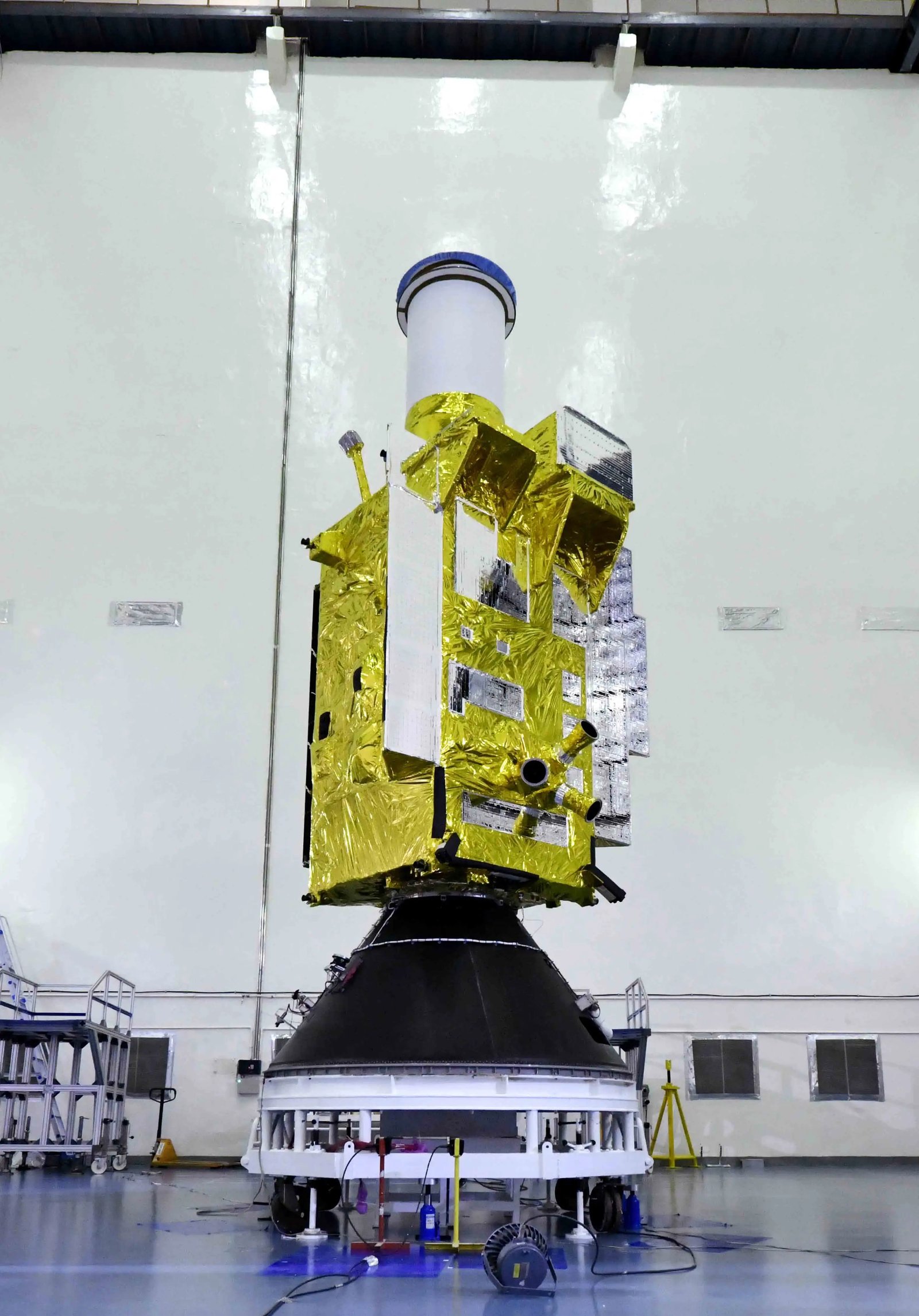
EOS-05 launched. GSLV-F17 lifted off from Sriharikota at 2:55 a.m. local time on 4 September 2026. ISRO says the rocket "successfully accomplished its mission, placing EOS-05 into the intended orbit". ISRO describes EOS-05 as "India's first ever imaging satellite from Geosynchronous orbit", which should let it watch the same part of the planet all day instead of passing over now and then.
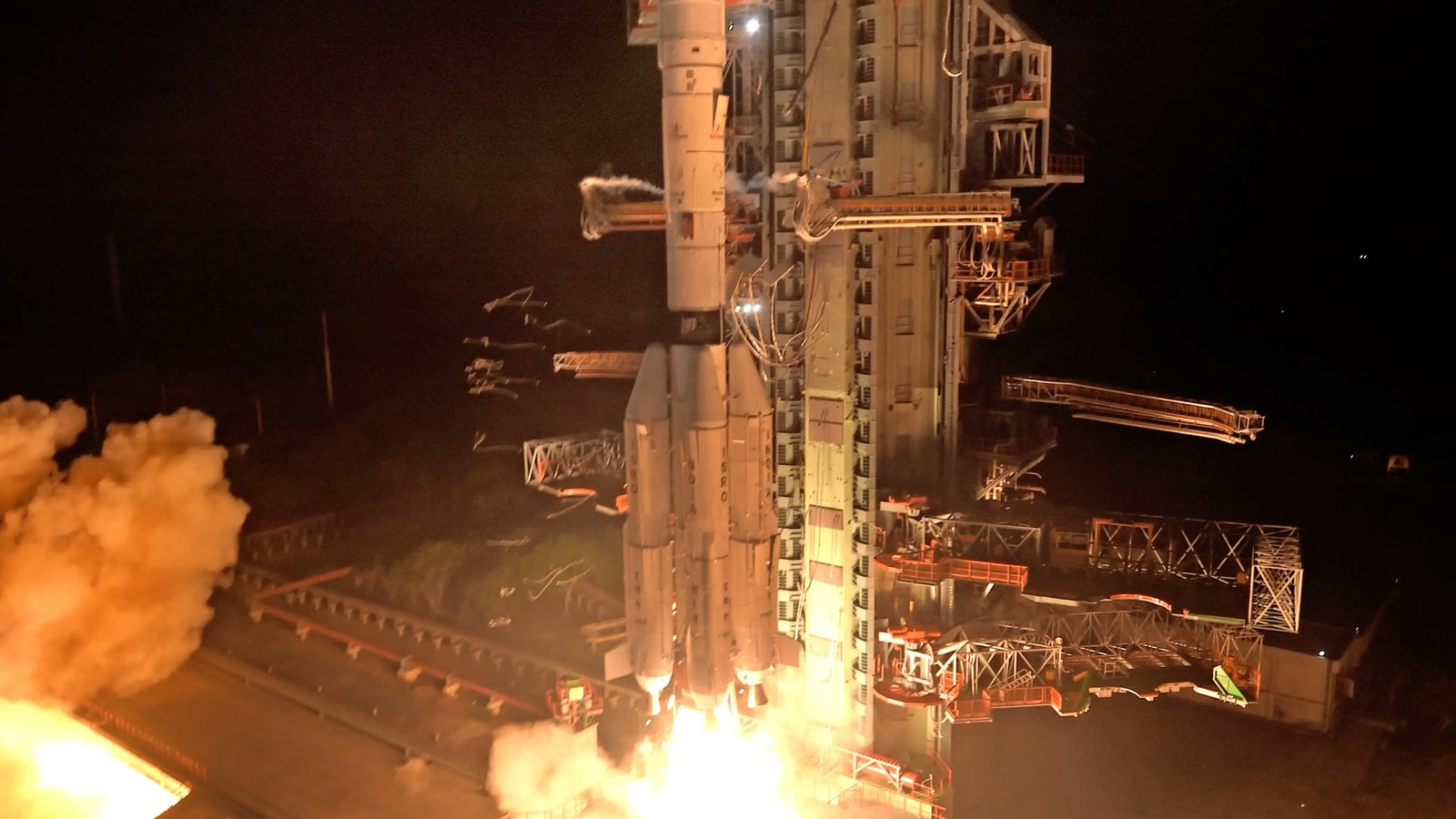
NVS-03 launched. GSLV-F18 lifted off from Sriharikota at 11:51 p.m. local time on 30 October 2026, and ISRO said it placed NVS-03 in the intended orbit. The satellite fired its own engine for the first time on 31 October at 11:18 UTC and its health is normal, according to ISRO. It still has more burns to do before it reaches its working orbit. Read our GSLV-F18 launch report.
So the number has probably moved, but nobody official has said by how much. We will not guess. Each new satellite must finish testing before it counts as operational, and ISRO has not said when EOS-05 entered service. For every Indian launch this year, see ISRO launches in 2026.
Why does "operational" not mean "fully working"?
Navigation is the clearest example. The February table says 8 NavIC satellites were operational. But in July 2026, the government told Parliament that only three NavIC satellites were giving positioning, navigation and timing services, India Today reported. A receiver needs signals from at least four satellites to fix a position.
The gap comes from how satellites fail. A navigation satellite depends on its atomic clocks. If the clocks stop, the satellite can still be alive, talk to the ground and send short messages, as IRNSS-1F does now. It just cannot give positions. NVS-02 is another case. ISRO's 2025 space report says it "could not be raised to its designated orbit" because of a "propulsion system failure", so it never reached the place it was built to work from.
In my view, "operational" is best read as "alive and doing some job", not "doing the full job it was designed for". When you see a satellite count, it is worth asking which one you are looking at. For more on India's navigation system, read What is NVS-03?.
What do India's satellites actually do?
The same February reply listed some of the ways India uses its satellites. These are government figures.
- Train tracking. Real-time tracking using NavIC runs on over 10,400 locomotives.
- Fishing boats. Over 40,000 fishing vessels carry NavIC receivers for tracking and emergency alerts.
- Phones. More than 60 mobile handset models from major global makers support NavIC positioning.
- Storm warnings at sea. NavIC's one-way messages broadcast warnings for cyclones, tsunamis and high waves straight to receivers on boats, working with the Indian National Centre for Ocean Information Services (INCOIS). The same service sends advice on where fish are likely to be, and warns boats before they stray across the maritime border.
- Search and rescue. Three satellites in the international COSPAS-SARSAT programme have helped save lives in distress incidents in India's service area.
- Broadband and TV. Programmes like BharatNet and Digital India use satellite links to reach places cables do not.
The government also said ISRO is launching three more second-generation navigation satellites, NVS-03, NVS-04 and NVS-05, to strengthen NavIC. NVS-03 is the first of those three to fly.
How does India's count compare with the rest of the world?
India is a mid-sized operator in a crowded sky. ISRO's ISSAR-2025 puts it in context:
- In 2025 the world made 328 launch attempts. 315 succeeded and placed 4,198 known operational satellites in orbit, the most in any year of the space age.
- SpaceX alone had launched 10,749 Starlink satellites by the end of 2025, and 9,396 were still in orbit.
- ISRO's satellites received more than 150,000 close-approach alerts from the US Space Command in 2025. ISRO carried out 18 manoeuvres to dodge objects: 14 in low orbit and 4 in high orbit.
India's strength is not raw numbers. It is a full set of national systems: weather and Earth imaging, communication, its own navigation network, and science missions at the Moon and the Sun. In my view, that matters more than the total. Many countries with more satellites rely on someone else's rocket or someone else's GPS. India has its own of both. Learn more about the rockets that carry them in PSLV vs GSLV vs LVM3 and GSLV full form.
What comes next?
The next official count could come in two ways. The government answers satellite questions in Parliament from time to time, and each written reply can carry a fresh table. ISRO's next situational report, ISSAR-2026, would cover the whole of 2026 if it follows this year's timing and comes out around April 2027.
Before then, watch three things: when ISRO says EOS-05 is in service, when NVS-03 reaches its slot at 111.75° East and starts giving signals, and whether NVS-04 is next. Each one changes the total. You can follow ISRO's launches and plans on our ISRO page and the launch schedule.