
Last updated: 18 November 2026.
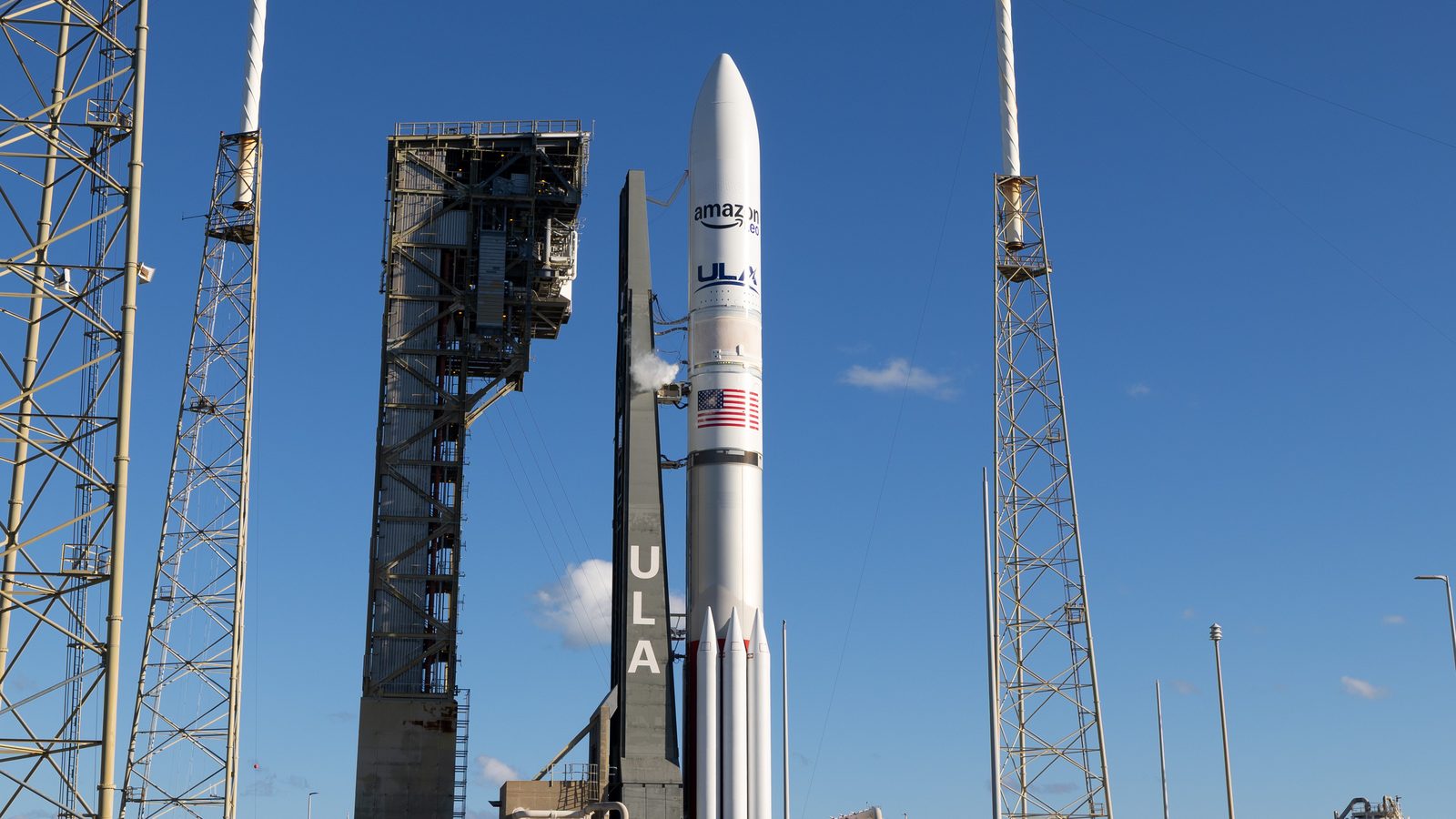
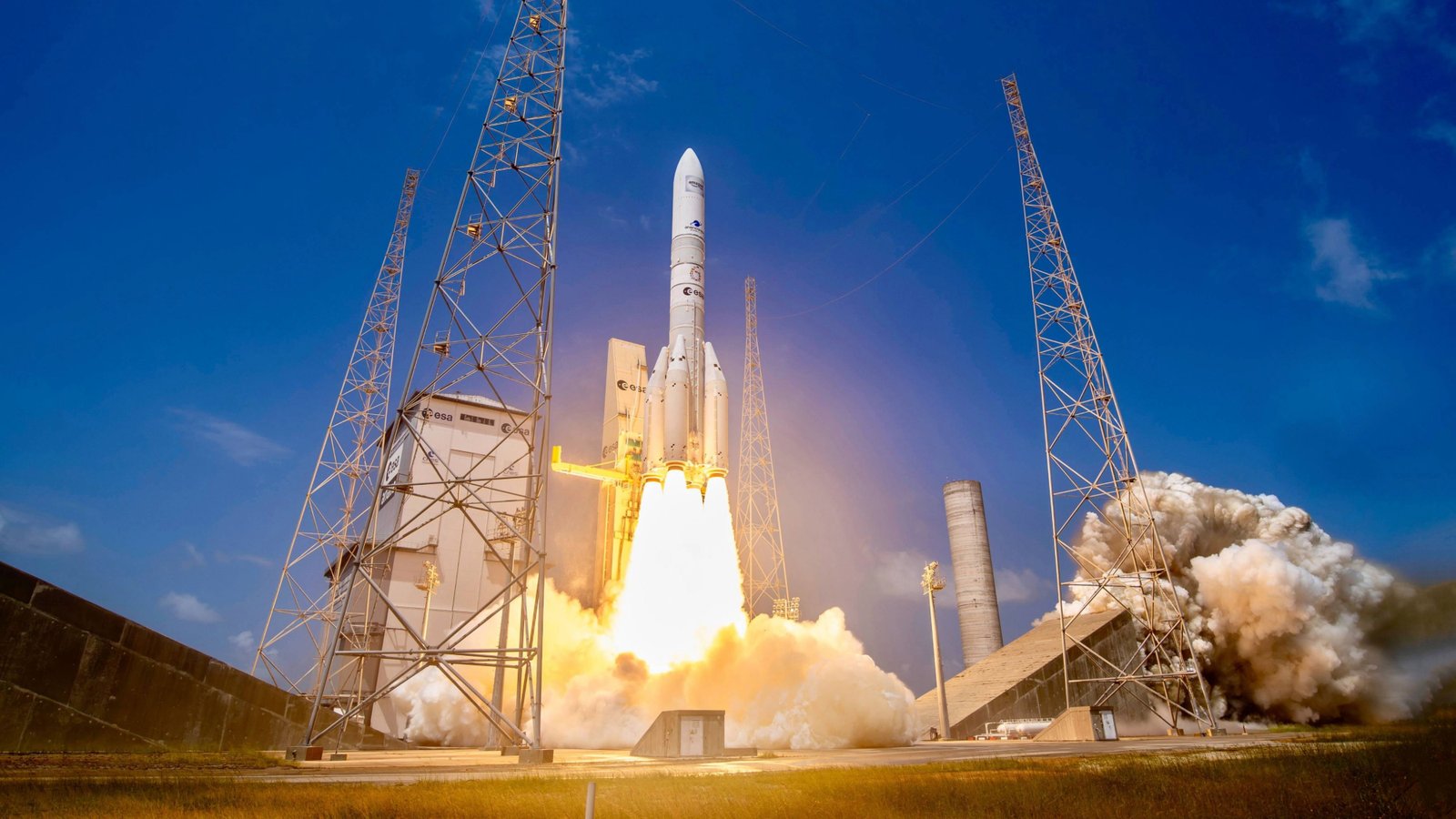
Amazon Leo's next launch is LE-04: 36 satellites on an Ariane 6 from Kourou, French Guiana, no earlier than Monday 23 November 2026. Vulcan has no return-to-flight date. It is grounded while United Launch Alliance (ULA) investigates the failure of its LV-01 mission on 15 November, and the Federal Aviation Administration (FAA) must approve the results before it flies again.
That failure destroyed 40 Amazon Leo satellites. For the full story, read what happened to Vulcan LV-01.
When is the next Amazon Leo launch?
The next Leo launch is on Europe's Ariane 6, not on Vulcan. The key facts, from Amazon and Arianespace:
- Mission: LE-04 (Leo Europe 4), called VA271 by Arianespace.
- Rocket: Ariane 64, the four-booster version of Ariane 6, with upgraded P160C boosters.
- Date: no earlier than Monday 23 November 2026. Arianespace says the final launch window will be set closer to the mission.
- Launch site: Guiana Space Centre, Kourou, French Guiana.
- Satellites: 36, released at about 465 km. Amazon then raises them to their working height of 630 km.
- Flight length: about two hours and four minutes from liftoff to the last satellite release, Arianespace says.
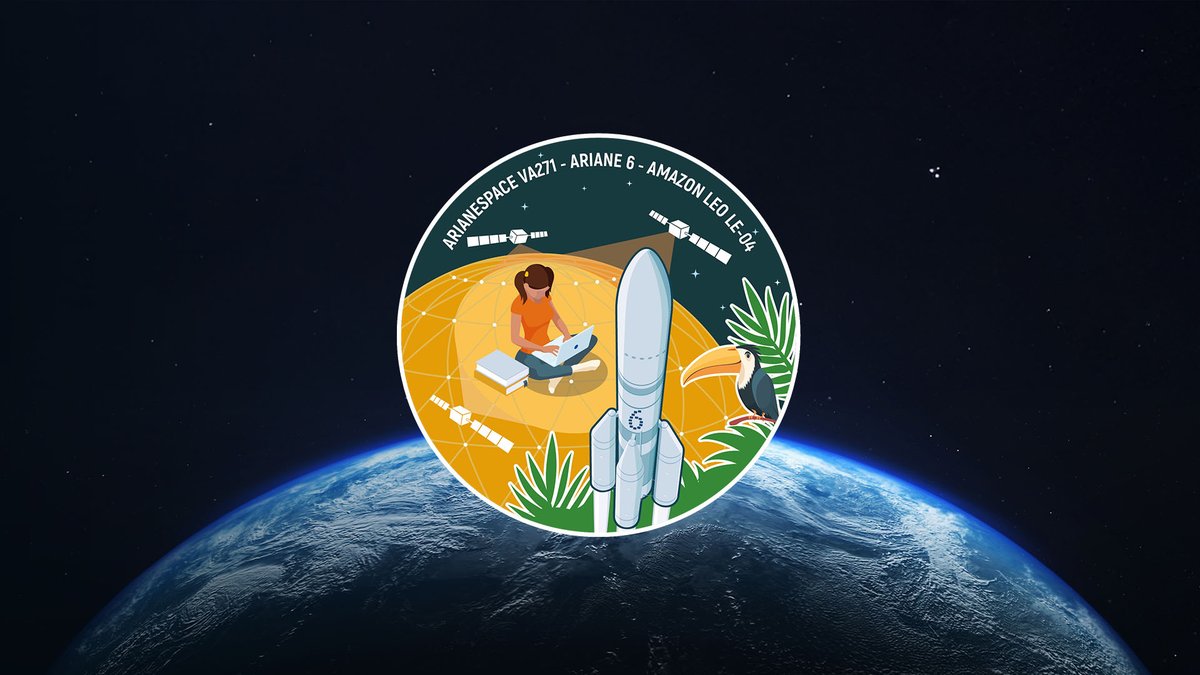
It will be the fourth Ariane 6 launch for Leo in 2026. If it works, Arianespace will have put 136 Leo satellites in orbit. Amazon raised its Ariane 6 order from 18 to 24 launches in September 2026.
When will Vulcan fly again?
Nobody has said. Here is what is official:
- FAA, 16 November: it is requiring ULA to carry out a mishap investigation. The FAA will oversee it, "be involved in every step of the process", and approve ULA's final report and any fixes.
- The rule for return to flight: Vulcan can fly again once the FAA decides that any system, process or procedure linked to the mishap does not affect public safety.
- ULA, 17 November: it is "very early in the process". ULA says it is "committed to returning to flight as safely and quickly as we can", but it gave no date.
ULA's early finding is that the first stage underperformed just after liftoff. The cause is not yet known.
Ars Technica estimates that the failure will sideline Vulcan for at least half a year, and probably longer. That is reporting, not an official estimate. Ars also reports that Amazon had more than a dozen Leo launches on Vulcan planned for 2027.
Which other rockets can launch Amazon Leo?
Amazon buys launches from four companies, so Vulcan's grounding does not stop Leo completely. But only one of them has a Leo launch on the schedule right now.
| Rocket | Leo status as of 18 November 2026 |
|---|---|
| Ariane 6 (Arianespace) | Three Leo missions flown in 2026. LE-04 set for no earlier than 23 November. 24 launches on contract. |
| Vulcan (ULA) | Grounded after LV-01, the first of 38 Leo launches Amazon bought. |
| Atlas V (ULA) | Eight Leo missions flown, the last on 2 July 2026. Amazon's mission list shows no more. |
| Falcon 9 (SpaceX) | Three Leo missions flown in 2025. None listed as upcoming. |
| New Glenn (Blue Origin) | No Leo launch yet. Grounded since a ground test explosion in May 2026. Amazon says early New Glenn missions will carry 48 satellites. |
New Glenn's return matters twice over. It is Amazon's other big rocket, and it uses Blue Origin's BE-4 engines, the same type that powers Vulcan's first stage. ULA has not said whether the engines played any part in the LV-01 failure. Blue Origin has been aiming to fly New Glenn again as early as January. Read when will New Glenn fly again.
In my view, Ariane 6 is now carrying Leo on its own in the short term. Each Ariane 64 carries 36 satellites, so it cannot replace a Vulcan that was meant to carry 40 or more per launch, about 38 times.
What does this mean for Amazon Leo's FCC deadline?
Amazon's licence from the Federal Communications Commission (FCC) sets the rules. The FCC order, DA 26-553 from 5 June 2026, says:
- Final deadline: all 3,232 first-generation satellites deployed and operating by 30 July 2029. If Amazon misses it, its licence is cut to the number of satellites working at that point.
- Halfway deadline waived: Amazon was meant to have 1,616 satellites up by 30 July 2026. The FCC waived that, with conditions.
- The condition: satellites deployed after 30 July 2026 temporarily lose their priority rights to radio spectrum. That lasts until 30 March 2028, or until half the network is launched and working, whichever comes first.
- A shortcut: the 20-month penalty drops to 15 months if Amazon certifies it has built half the satellites and secured enough launches to deploy them.
Amazon says it has launched nearly 400 satellites so far. That leaves more than 2,800 to go in under three years. Amazon has not said whether LV-01 changes its plans for the deadline.
What other Vulcan missions are waiting?
Every customer booked on Vulcan has to wait for the investigation.
- US Space Force: Vulcan is one of its main rockets for national security missions. The Space Force had already been moving some missions around while ULA worked on an earlier booster nozzle problem. In October it said affected ULA missions were being delayed, not permanently reassigned, SpaceNews reported. It has not made a public statement on LV-01 that we could find.
- Sierra Space's Dream Chaser: the spaceplane is set to make its first flight on Vulcan, targeting spring 2027, according to Space.com. Sierra Space has not announced any change.
- Amazon: 37 more Vulcan launches are on order for Leo.
We will update this page when ULA or the FAA gives a return-to-flight date, and after LE-04 launches. Follow every launch on our launch schedule, and for background read what is Amazon Leo and how Amazon Leo compares with Starlink on price.