

Starlink's US home plans list at $55, $85 and $130 a month, and the Starlink V5 kit lists at $349, with a rental option and promotions in some areas. Amazon has not published any price for Amazon Leo. As of 18 November 2026, Leo is not on sale to households at all. So right now this is a comparison between a service you can buy and one you can only sign up to hear about.
Amazon Leo is Amazon's satellite internet network, once called Project Kuiper. For the basics, read what is Amazon Leo and what is Starlink.
Amazon Leo vs Starlink: the side-by-side
All figures are from the companies' own pages, checked on 18 November 2026. Speeds are company claims.
| Amazon Leo | Starlink | |
|---|---|---|
| Monthly price (US homes) | Not announced | $55 (100 Mbps), $85 (200 Mbps), $130 (Max), list prices |
| Hardware price | Not announced | Starlink V5 kit $349, or rental in select areas |
| Antennas | Leo Nano, Leo Pro, Leo Ultra | Starlink V5, Standard, Mini |
| Claimed top download speed | Up to 100 Mbps (Nano), 400 Mbps (Pro), 1 Gbps (Ultra) | Up to 400+ Mbps (Residential Max) |
| Can a household order it? | No | Yes, in 160+ countries, territories and markets |
| Who uses it now | Selected business customers in a preview | Consumers, businesses, ships and airlines |
| Satellites launched | Nearly 400, Amazon says | More than 11,100 in orbit (30 Sep 2026), SpaceX says |
| Planned first network | More than 3,000 satellites | Already operating |
How much does Starlink cost?
Here is what Starlink's official US price list showed on 18 November 2026:
- Residential 100 Mbps: $55 a month, with download speed capped at 100 Mbps. Only in select areas.
- Residential 200 Mbps: $85 a month, capped at 200 Mbps. Only in select areas. Starlink lists free professional installation.
- Residential Max: $130 a month. Starlink says it gets "maximum available speeds" and top priority on the network, up to 400+ Mbps. It also comes with an optional Starlink Mini for travel.
- Roam (for travel): $55 for 100 GB, $80 for 300 GB, and $175 for unlimited data, according to Starlink's service plans page.
Your real price can be different. Starlink sets prices by address, and its own price list includes lower and higher versions of each plan depending on local demand. On 18 November its US home page also advertised "30% off Starlink service plans in select areas", starting at $38.50, for sign-ups by 30 November. When we entered a Washington, DC address, the order page showed Residential 100 Mbps at $60.50 a month. Always check your own address on starlink.com before you decide.
What does the Starlink hardware cost?
The Starlink V5 kit lists at $349. Starlink describes V5 as smaller and more power-efficient than the older Standard kit, with speeds up to 375+ Mbps, and says it is available in select areas for now.
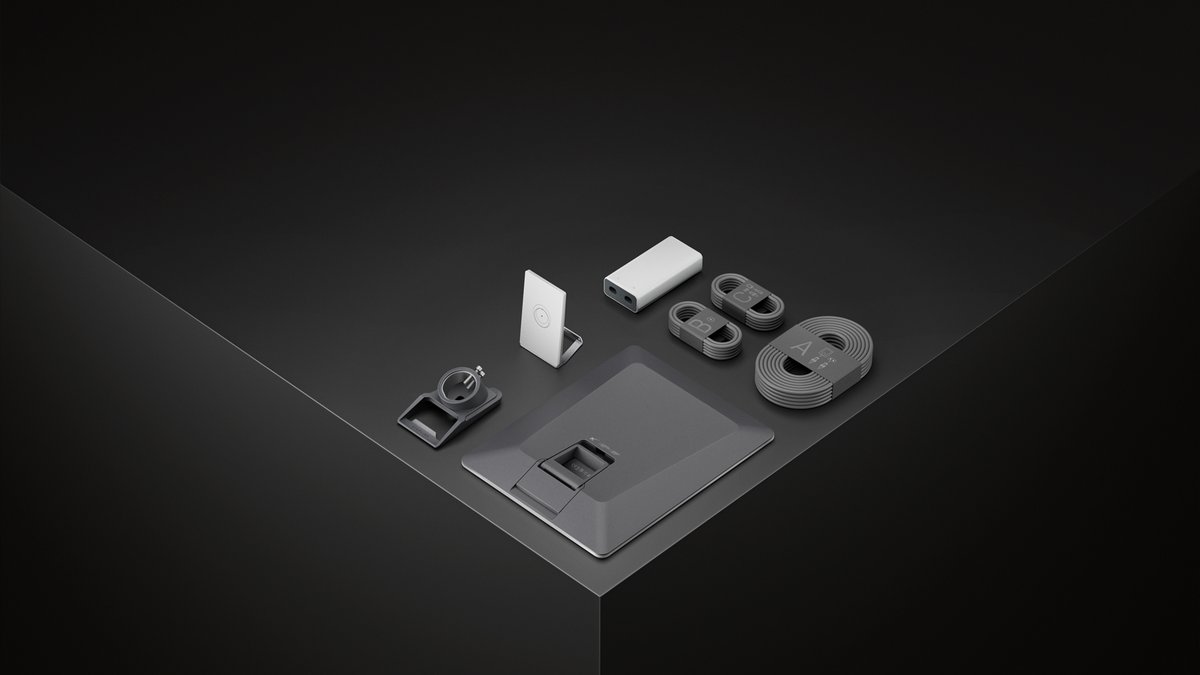
In select areas you can rent the kit instead. At the DC address we tried, the order page showed an upfront hardware cost of $0 and a monthly kit fee of $0, plus $20 shipping. Starlink says a rented kit must be returned if you cancel. Rental terms also change by address, so check yours.
How much will Amazon Leo cost?
Amazon has not said. There is no public price for Leo service or for any Leo antenna, for homes or for businesses.
Amazon's US Leo website says "a new era of internet is coming". It shows no plans, no prices, no start date and no way to order.
In my view, the most useful thing to know is what Amazon has built so far: three antennas, each with a claimed top speed.
- Leo Nano: a 7 by 7 inch (about 18 cm) antenna, with downloads up to 100 Mbps, Amazon says.
- Leo Pro: an 11 by 11 inch (about 28 cm) antenna, with downloads up to 400 Mbps.
- Leo Ultra: a business antenna, with downloads up to 1 gigabit per second (Gbps) and uploads up to 400 Mbps. Amazon calls it the fastest commercial phased array antenna in production. A phased array is a flat antenna that steers its beam electronically, with no moving parts.
Which is faster, Amazon Leo or Starlink?
On paper, they are close at the home level. Leo Pro and Starlink's Residential Max both claim around 400 Mbps. Leo Ultra claims more, but it is a business antenna.
These are company claims. Starlink also says its speeds "are not guaranteed, and will be slower during times of congestion". Leo has not been tested by the public at all, because it is not on sale. Real speeds depend on how many satellites are overhead and how many people share them, and Leo has far fewer satellites today.
When can you get Amazon Leo?
Not yet, and Amazon has not given a date for homes. Here is what Amazon has said:
- November 2025: Amazon started an enterprise preview, letting selected business customers test Leo with production hardware.
- 9 November 2026: Amazon said it expects an initial service rollout later this year, followed by wider service as more satellites launch.
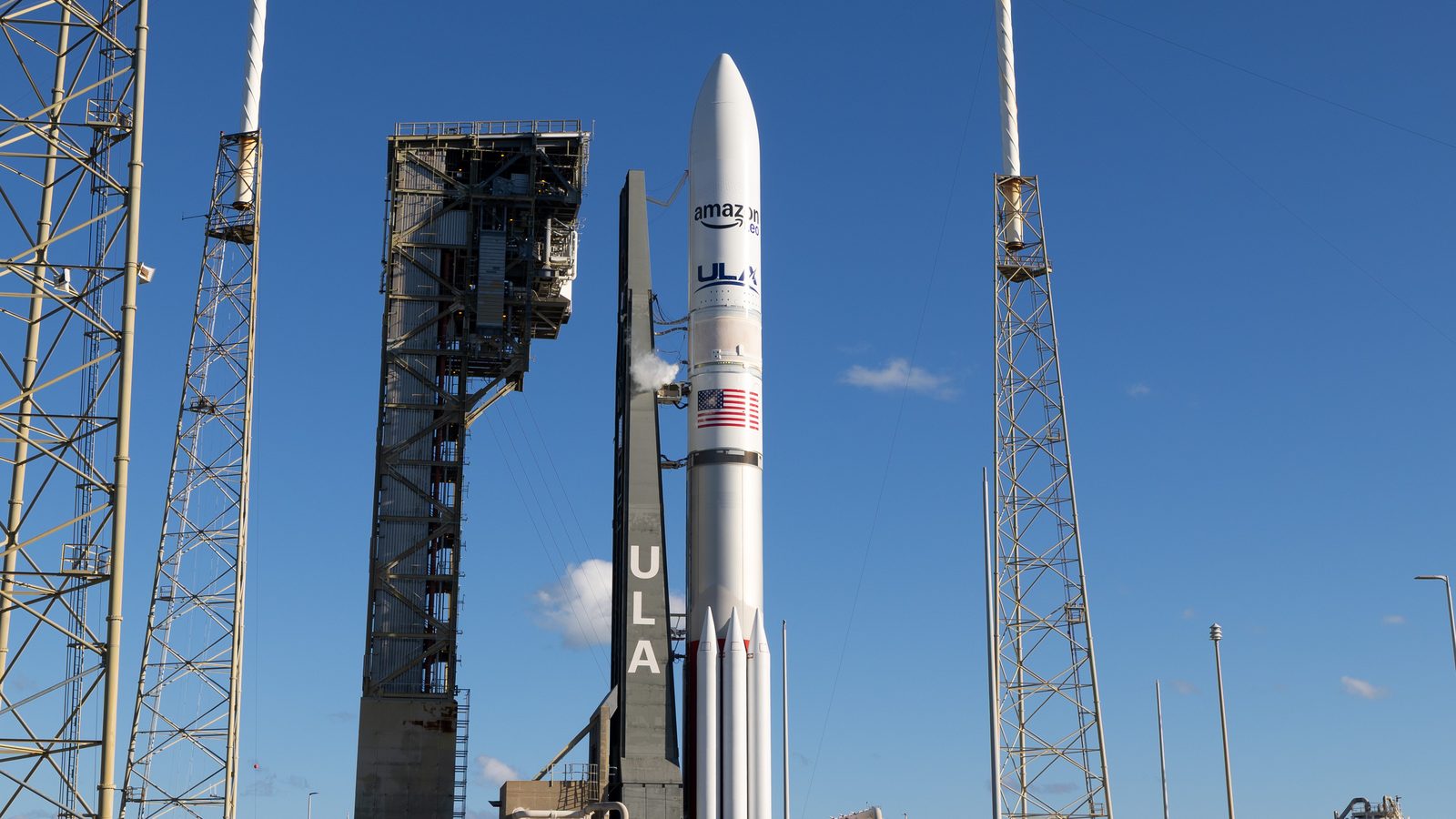
- 15 November 2026: the first Vulcan launch for Leo failed, and its 40 satellites were lost. Read what happened to Vulcan LV-01.
Amazon has not said whether the failure changes its rollout plans.
How many satellites do Amazon Leo and Starlink have?
Starlink is far ahead. SpaceX said it had more than 11,100 Starlink satellites in low Earth orbit as of 30 September 2026. See how many Starlink satellites there are for a dated count.
Amazon says it has launched nearly 400 Leo satellites on 14 missions since April 2025, which makes Leo the third-largest constellation in orbit, according to the company. Its first network is designed for more than 3,000 satellites. The Federal Communications Commission (FCC) requires 3,232 of them to be in orbit by 30 July 2029.
That gap matters for service. More satellites mean more coverage and more capacity to share between users.
How fast are they launching?
Starlink mostly flies on SpaceX's own Falcon 9, and has started launching larger V3 satellites on Starship. Amazon buys launches from other companies:
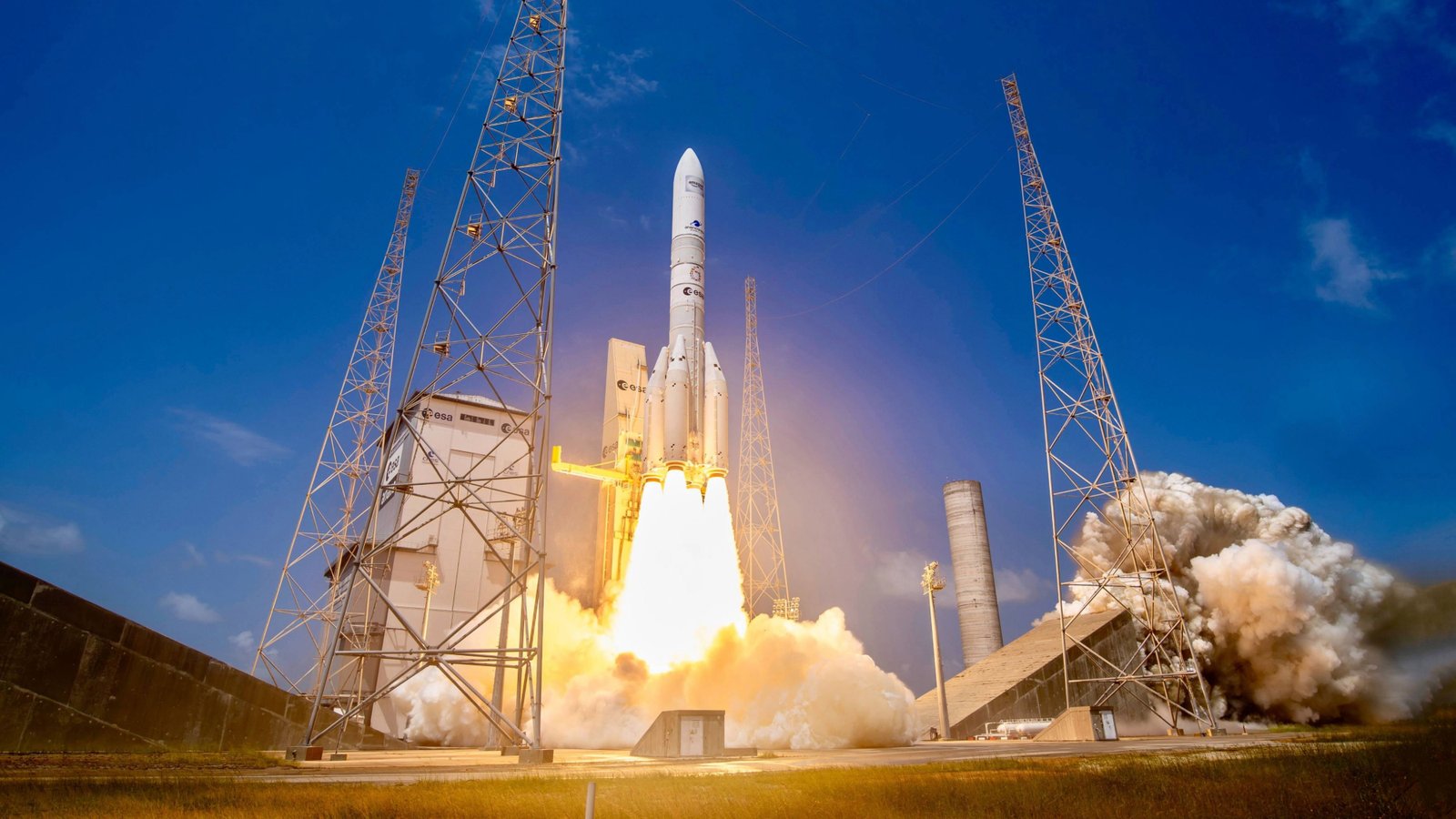
- Arianespace: Ariane 6 has flown three Leo missions. LE-04, with 36 satellites, is set for no earlier than 23 November 2026.
- United Launch Alliance (ULA): Atlas V flew eight Leo missions. Vulcan, with 38 launches bought, is grounded after the LV-01 failure.
- SpaceX: Falcon 9 flew three Leo missions in 2025.
- Blue Origin: New Glenn is on Amazon's list but has not flown a Leo mission yet.
For what comes next, read when will Amazon Leo and Vulcan fly next.
Should you wait for Amazon Leo or get Starlink?
In my view, if you need satellite internet now, Starlink is the only one of the two you can actually order, and its price is public. If you can wait, Leo may add competition, but there is no price, no date and no independent speed test to compare yet.
We will update this page when Amazon publishes Leo prices or starts selling to homes.