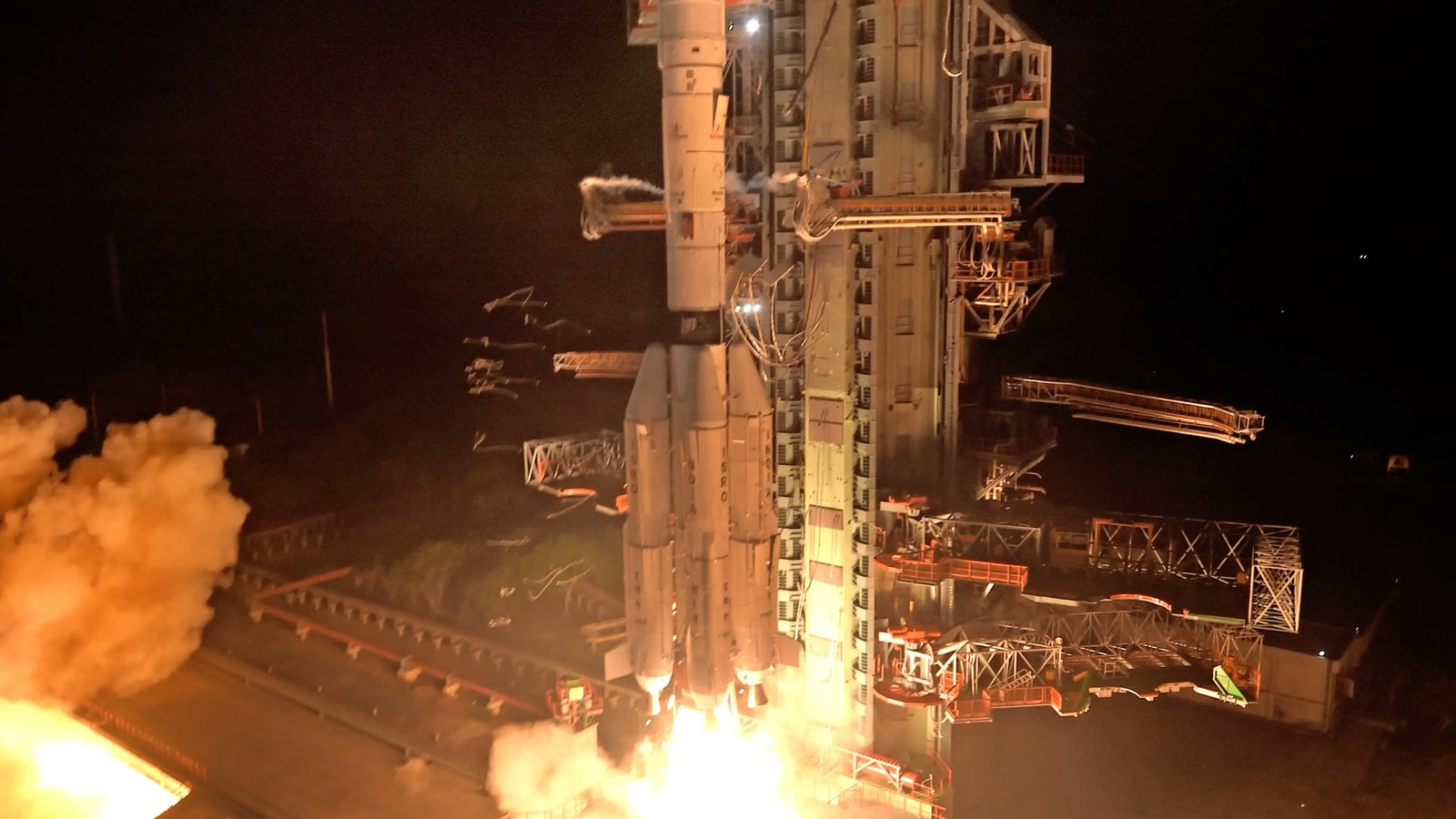

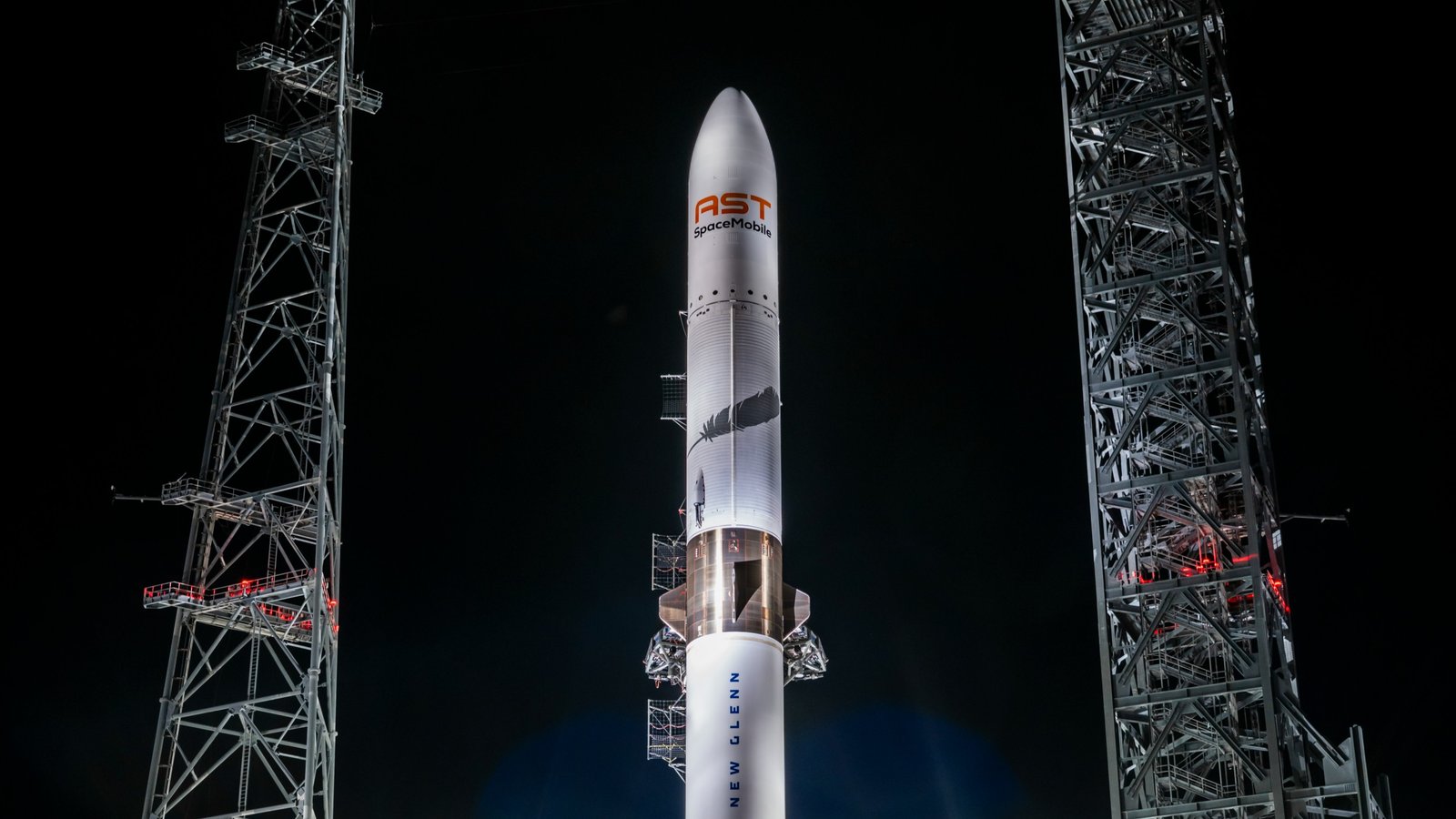
Blue Origin's New Glenn rocket exploded on its launch pad in Florida on 28 May 2026, during a routine static-fire test of its first-stage engines. No injuries were reported, and the satellites it was due to carry were not on board. Blue Origin says the failure started at the main oxygen valve on one of its seven BE-4 engines. The rocket has not flown since. There is no new launch date, but Blue Origin is aiming to fly again before the end of 2026, and NASA's Artemis III mission is waiting on it.
Status as of 3 November 2026: no return-to-flight date announced. We will update this page when Blue Origin sets one.
What happened to New Glenn on 28 May?
The rocket was on Launch Complex 36A (LC-36A) at Cape Canaveral Space Force Station for a static fire, a test where the engines are lit while the rocket stays clamped to the pad. It was getting ready for its fourth flight, NG-4, planned for as soon as 4 June with 48 Amazon Leo internet satellites. Those satellites were not on the rocket.
The rocket was destroyed in a fireball seen across the region. The City of Cape Canaveral said the blast registered as a magnitude 2.5 earthquake and that no injuries or deaths were reported (city summary). The pad lost its lightning tower and its transporter-erector, the machine that carried New Glenn out of its hangar and raised it upright, Space.com reported. The tank farm, the integration hangar, the vehicle access tower and the water tower could be used again.
Why did New Glenn explode?
Blue Origin has given two updates:
- 30 June. CEO Dave Limp said early analysis pointed to the aft section of the first stage, where the engines are. He said the rocket is "highly instrumented" with cameras and sensors, which gave the team confidence it could find the cause (Blue Origin).
- 6 August. Limp said "the anomaly originated at the main oxygen valve on one of the BE-4 engines", Spaceflight Now reported. Blue Origin is making small changes to the valve that can be fitted to engines already built.
That is a claim from the company. In my view, the important gap is that Blue Origin has not yet published a full root cause, only where the failure began. The FAA has not published a closed investigation report either, as far as we could find.
The BE-4 is not only used on New Glenn. United Launch Alliance's Vulcan rocket uses two BE-4s on its first stage, and Blue Origin said it will make the same valve change on those engines too.
How is Blue Origin rebuilding the pad?
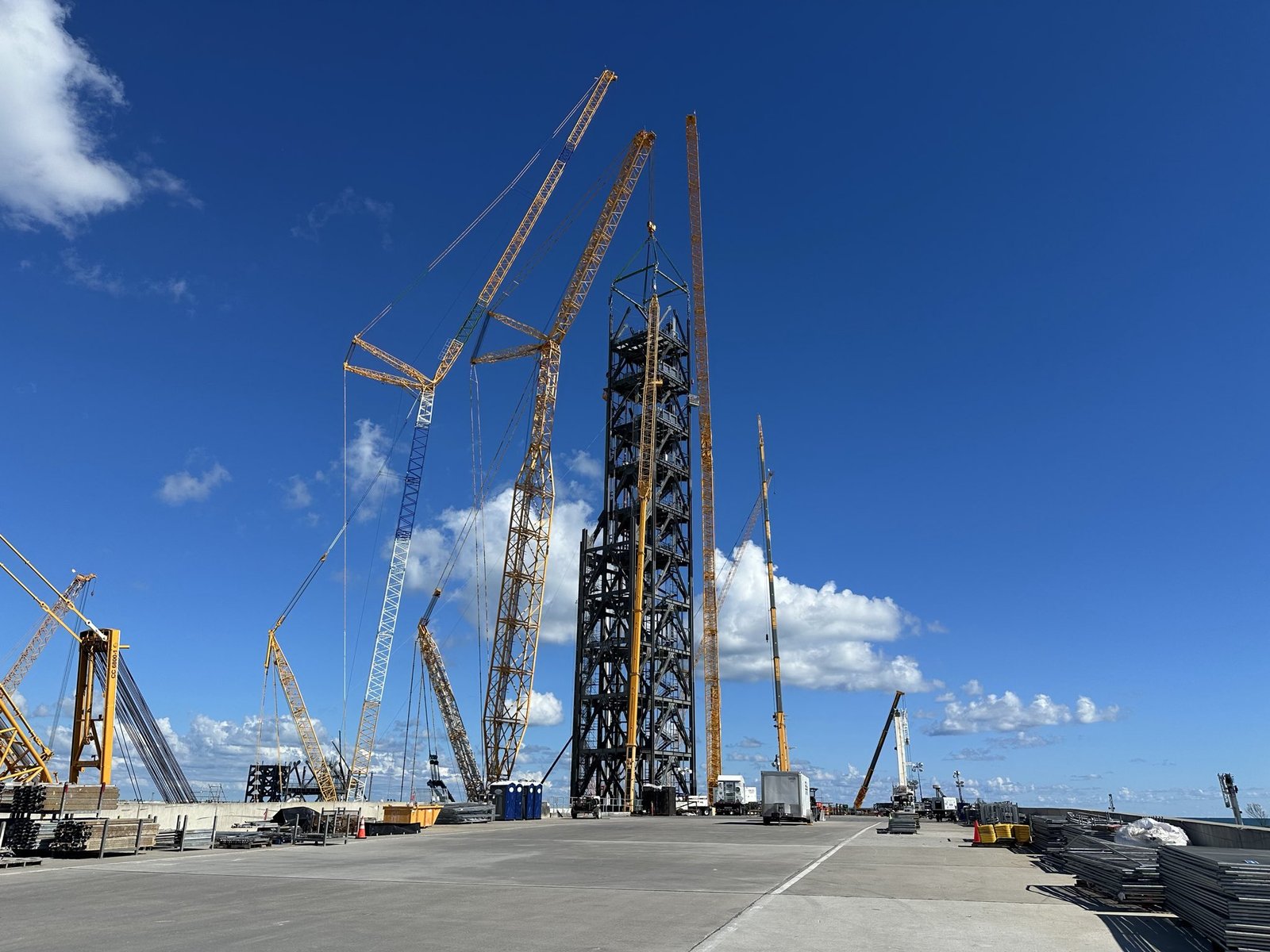
Blue Origin decided not to rebuild LC-36A the way it was. The new plan, Limp said on 30 June, is a "horizontal/vertical hybrid":
- The two stages are joined lying flat inside the integration hangar.
- The rocket is driven to the pad.
- A crane lifts it upright onto a refurbished launch table.
- The payload is attached once the rocket is standing.
So the transporter-erector is replaced by a crane. Blue Origin had already planned to work this way for its bigger New Glenn 9x4, and says it should also let it launch more often.
The rebuild has been visible on X. Limp posted each stacked module of the repaired vehicle access tower through September and October, and on 24 October wrote: "Module 9 done. Standing tall again at LC-36!"
When will New Glenn fly next?
There is no date. Here is what the people involved have said:
- Blue Origin, 30 June: it aims to fly New Glenn again by the end of 2026.
- NASA, 23 October: Artemis program manager Jeremy Parsons said Blue Origin is "shooting for pad operations to start back up in November, with the first return-to-flight launch of New Glenn soon thereafter."
- 28 October: Blue Origin expects the rebuilt pad to be ready by the first half of December, to support a return to flight this year, SpaceNews reported.
Blue Origin has not publicly confirmed which payload the return-to-flight launch will carry. Some reports mention a tentative late-December date in FAA planning data. We could not confirm it from an official source, so treat it as unconfirmed.
In my view, a first flight in early 2027 is just as likely as late December. A rebuilt pad, a new way of raising the rocket and a fixed engine valve all have to work for the first time together.
When a date is set, it will appear on our launch schedule.
What has New Glenn done before?
New Glenn has flown three times, all from LC-36:
| Flight | Date (launch-site time) | What happened |
|---|---|---|
| NG-1 | 16 Jan 2025, 2:03 a.m. EST | Reached orbit on its first try. The booster was lost on the way down. |
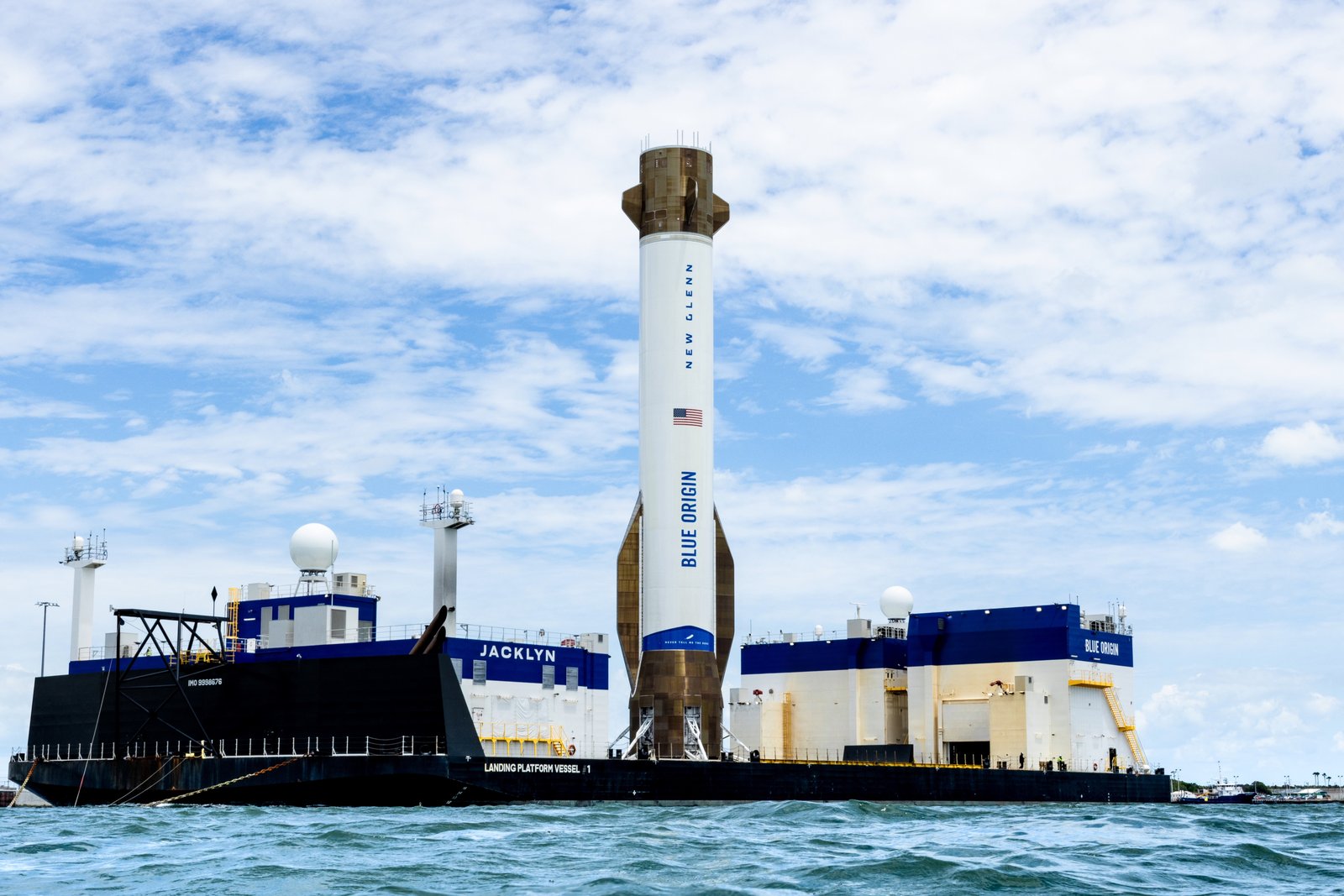
| NG-2 | 13 Nov 2025, 3:55 p.m. EST | Launched NASA's ESCAPADE Mars probes. The booster landed on the ship Jacklyn. |
| NG-3 | 19 Apr 2026, 7:25 a.m. EDT | The same booster flew again and landed, Reuters reported. The upper stage left its AST SpaceMobile satellite in too low an orbit. |
For NG-3, the FAA linked the upper-stage problem to a cryogenic leak that froze a hydraulic line. That is a separate problem from the May explosion. For how New Glenn's booster landings compare with other companies, read who else is landing rockets.
Why does Artemis III need New Glenn?
NASA's Artemis III, targeted for summer 2027, will not land on the Moon. It is a 14-day test in low Earth orbit where four astronauts in Orion will dock with test versions of both Moon landers, NASA says.
New Glenn goes first. It launches a test version of Blue Origin's Blue Moon Mark 2 lander. About three days later, Orion docks with it. On day six, SpaceX launches a Starship test article from Florida, and Orion docks with that for about two hours.
Parsons said NASA has no backup plan to launch Blue Moon on a different rocket, Scientific American reported. So New Glenn has to be flying, and flying reliably, by summer 2027. NASA also says both landers are planning Moon landing missions in 2028.
There is also Blue Moon Mark 1 "Endurance", a smaller uncrewed lander that was waiting to fly on New Glenn. It has slipped to the first quarter of 2027, Blue Origin said in August.
Read our full guide to Artemis III's date and crew, or the Artemis program explained. More Moon coverage is on our Moon and Mars page.
New Glenn vs Starship: how do they compare?
They are often compared because both are new, heavy, reusable rockets from Florida, and both carry a Moon lander for NASA. They are not the same size.
| New Glenn (7x2) | Starship | |
|---|---|---|
| Height | 98 m | 124 m |
| Width | 7 m | 9 m |
| Payload to low Earth orbit | About 45 tonnes | More than 100 tonnes, fully reusable (design goal) |
| First-stage engines | 7 BE-4 | 33 Raptor |
| Upper-stage engines | 2 BE-3U | 6 Raptor |
| Fuel | Methane and oxygen (booster), hydrogen and oxygen (upper stage) | Methane and oxygen in both stages |
| What is reused | Booster lands on a ship at sea | Booster caught by the tower; ship catch still to come |
| Reached orbit | Yes, first flight, January 2025 | Yes, Flight 14, 28 September 2026 |
| Moon lander for NASA | Blue Moon | Starship HLS |
Figures come from Blue Origin's New Glenn page and SpaceX's Starship page. Starship's payload figure is SpaceX's design goal, not a demonstrated result.
Blue Origin is also building a bigger New Glenn 9x4, with nine BE-4s, four BE-3Us and an 8.7 m fairing. The company says it will carry more than 70 tonnes to low Earth orbit. NASA added it to its Launch Services Program in September.
In my view, the fair comparison today is this: New Glenn has a working reusable booster and a flying upper stage, while Starship is bigger and aims for full reuse but is still in test flights. For more on SpaceX's rocket, read what is Starship?, see the Starship hub and the Starship launch tracker.