GoNET
Next up
SatNet LEO Group TBD?
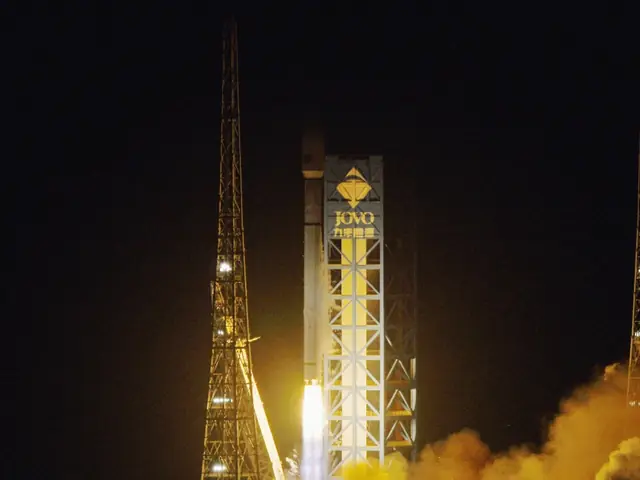
Long March 12 · CASC · China
8 Nov 2026
Local time 4:25 AM GMT+8, Mon 9 Nov (to the hour)
Your time 8 Nov 2026
From Commercial LC-2, Wenchang Space Launch Site, People's Republic of China
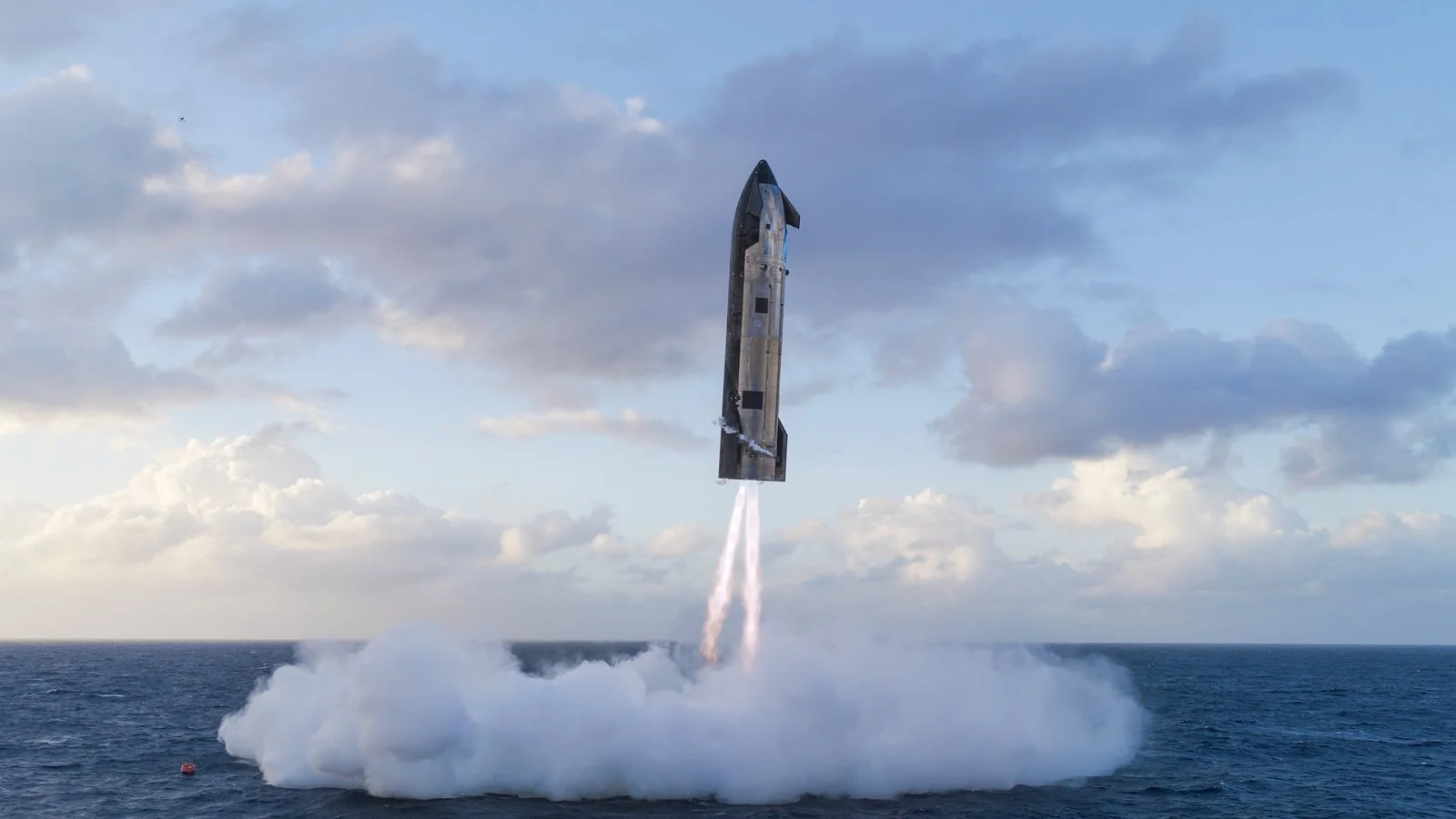
Where to find SpaceX's official Flight 15 webcast, the NET 13 November target, launch-time status and the separate booster and ship catch attempts.
Updated
Long March 12 · CASC · China
8 Nov 2026
Local time 4:25 AM GMT+8, Mon 9 Nov (to the hour)
Your time 8 Nov 2026
From Commercial LC-2, Wenchang Space Launch Site, People's Republic of China
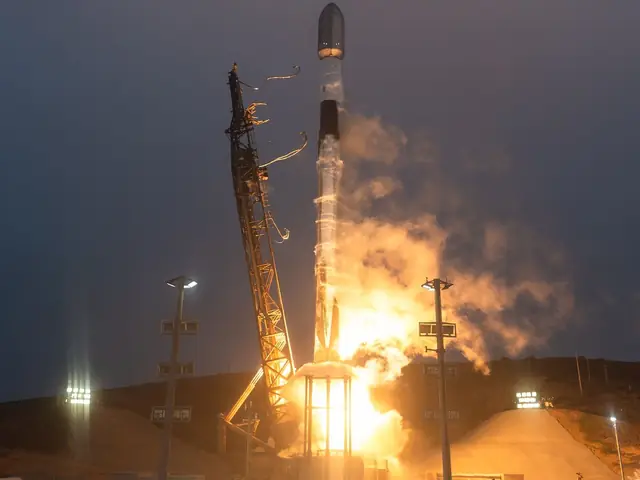
Falcon 9 Block 5 · SpaceX · USA
10 Nov 2026
Local time 7:03 PM PST, Mon 9 Nov
Your time 10 Nov 2026
From Space Launch Complex 4E, Vandenberg SFB, CA, USA
Mir · Agency for Defense Development (ADD) · South Korea
11 Nov 2026
Local time 5:00 AM UTC, Wed 11 Nov (to the hour)
Your time 11 Nov 2026
From ADD Offshore launch platform, Sea Launch
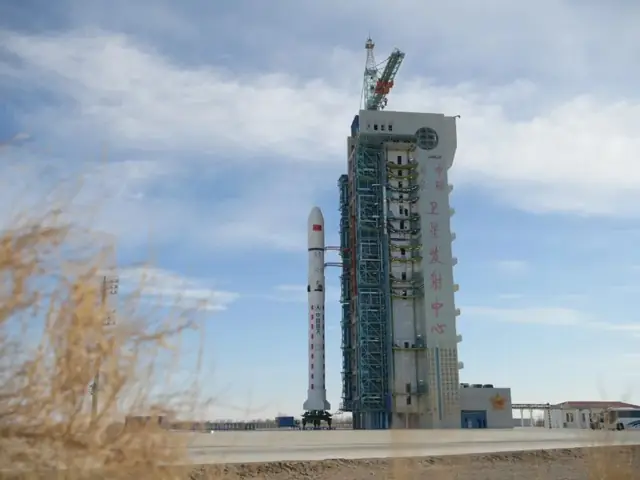
Long March 2D · CASC · China
11 Nov 2026
Local time 7:40 PM GMT+8, Wed 11 Nov (to the hour)
Your time 11 Nov 2026
From Launch Area 94 (SLS-2 / 603), Jiuquan Satellite Launch Center, People's Republic of China
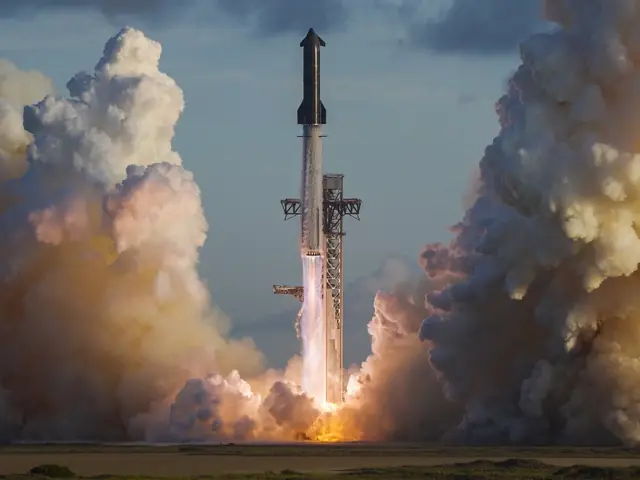
Starship V3 · SpaceX · USA
NET 13 Nov 2026
Time Not announced yet
From Orbital Launch Pad 2, SpaceX Starbase, TX, USA
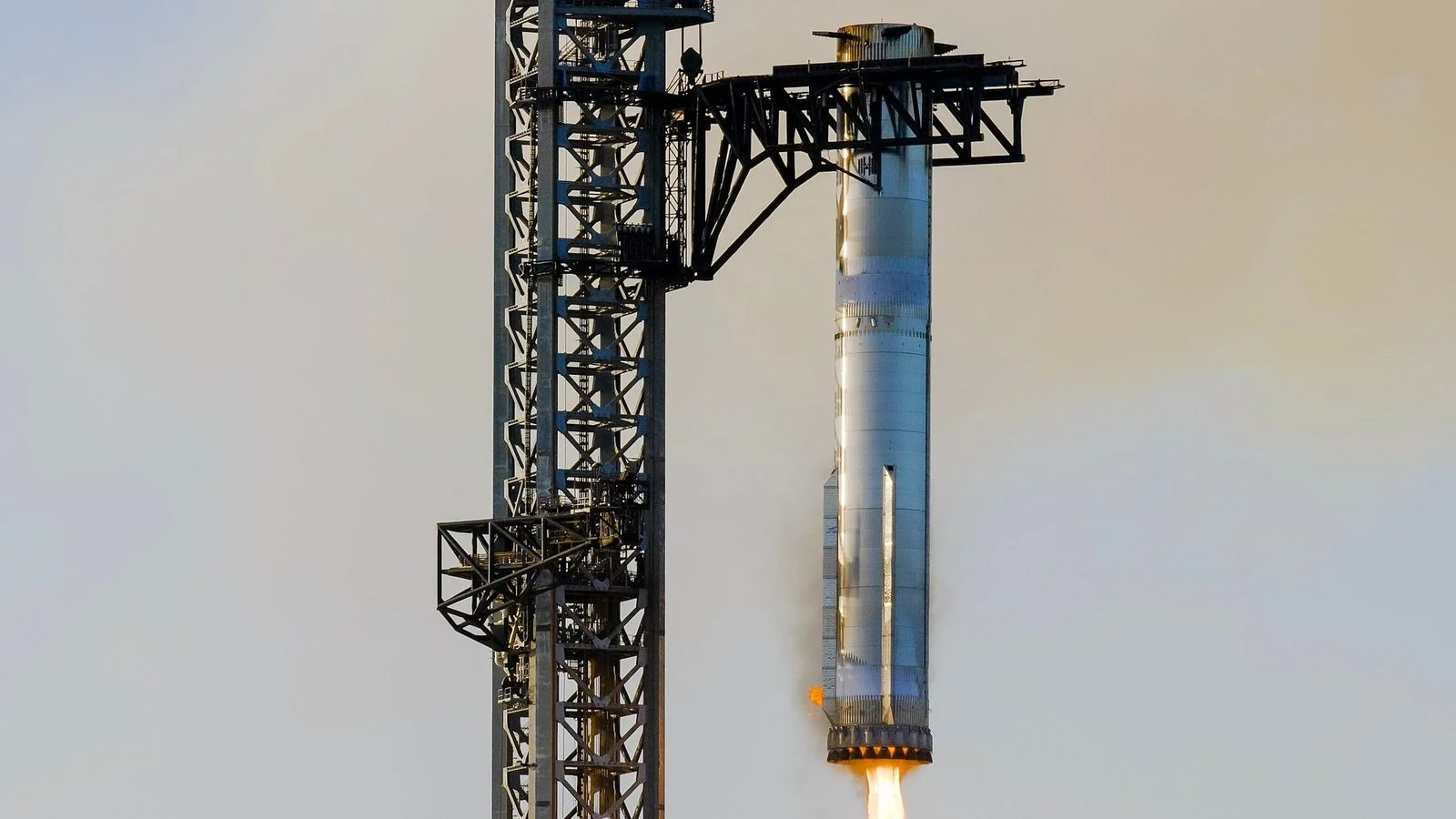
Why it matters Elon says Flight 15 will try to catch both the Super Heavy booster and the ship. No orbital rocket's upper stage has ever been caught. Read our story
Falcon 9 Block 5 · SpaceX · USA
13 Nov 2026
Local time 8:23 PM PST, Thu 12 Nov
Your time 13 Nov 2026
From Space Launch Complex 4E, Vandenberg SFB, CA, USA
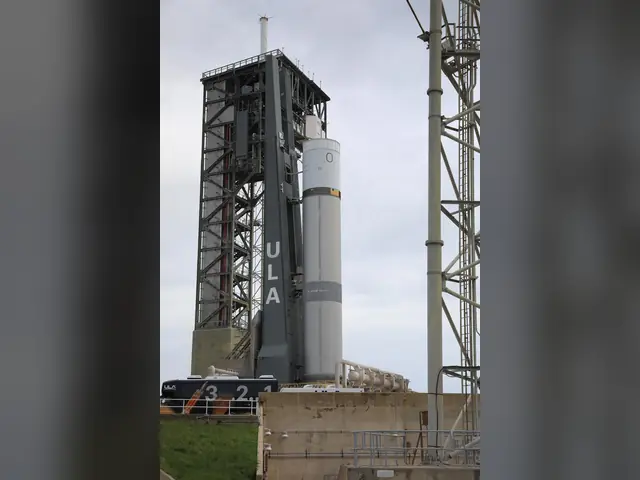
Vulcan VC6L · United Launch Alliance (ULA) · USA
13 Nov 2026
Local time 12:54 PM EST, Fri 13 Nov
Your time 13 Nov 2026
From Space Launch Complex 41, Cape Canaveral SFS, FL, USA
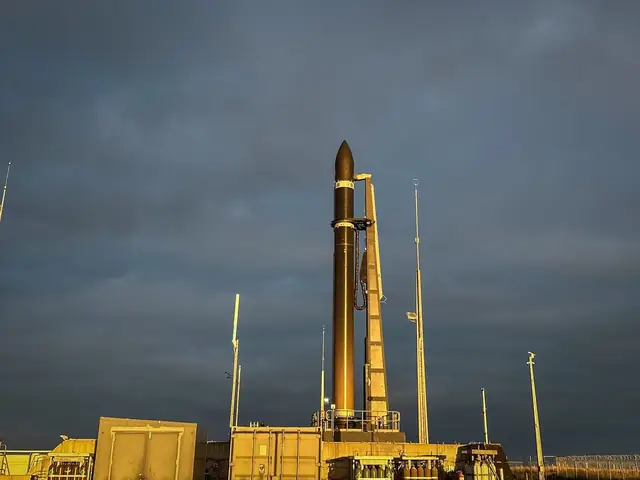
Electron · Rocket Lab · USA
14 Nov 2026
Local time 6:30 PM NZDT, Sat 14 Nov
Your time 14 Nov 2026
From Unknown Pad, Rocket Lab Launch Complex 1, Mahia Peninsula, New Zealand
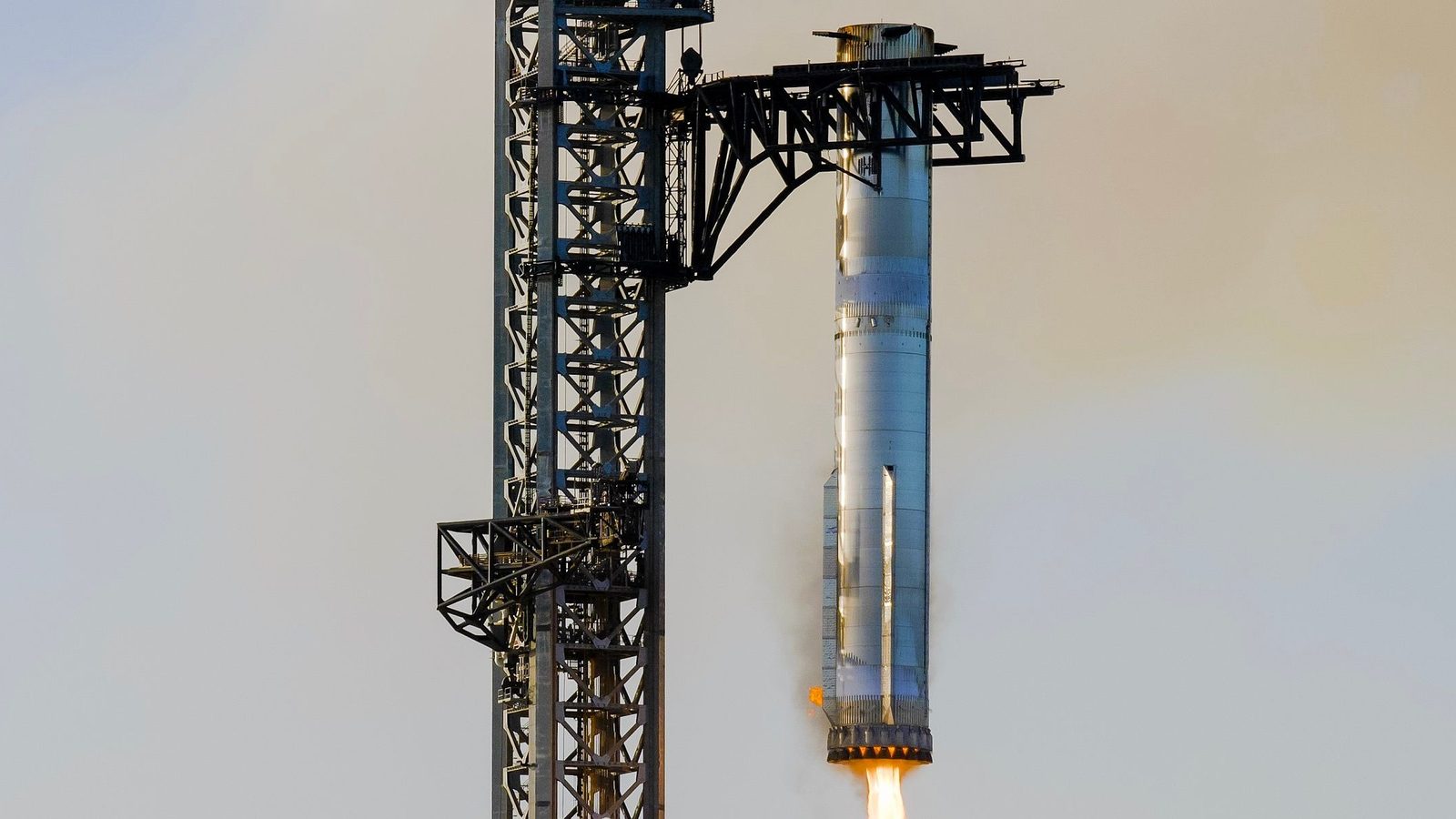
Flight 15's dual-catch plan means two separate recoveries: Booster 22 first, then Ship 42 after its return. What to watch, what success means and what is still TBD.
India had 56 operational satellites in February 2026, out of 135 launched, the government told Parliament. Here is the breakdown by type, what ISRO's own space report counts, and what has changed since.
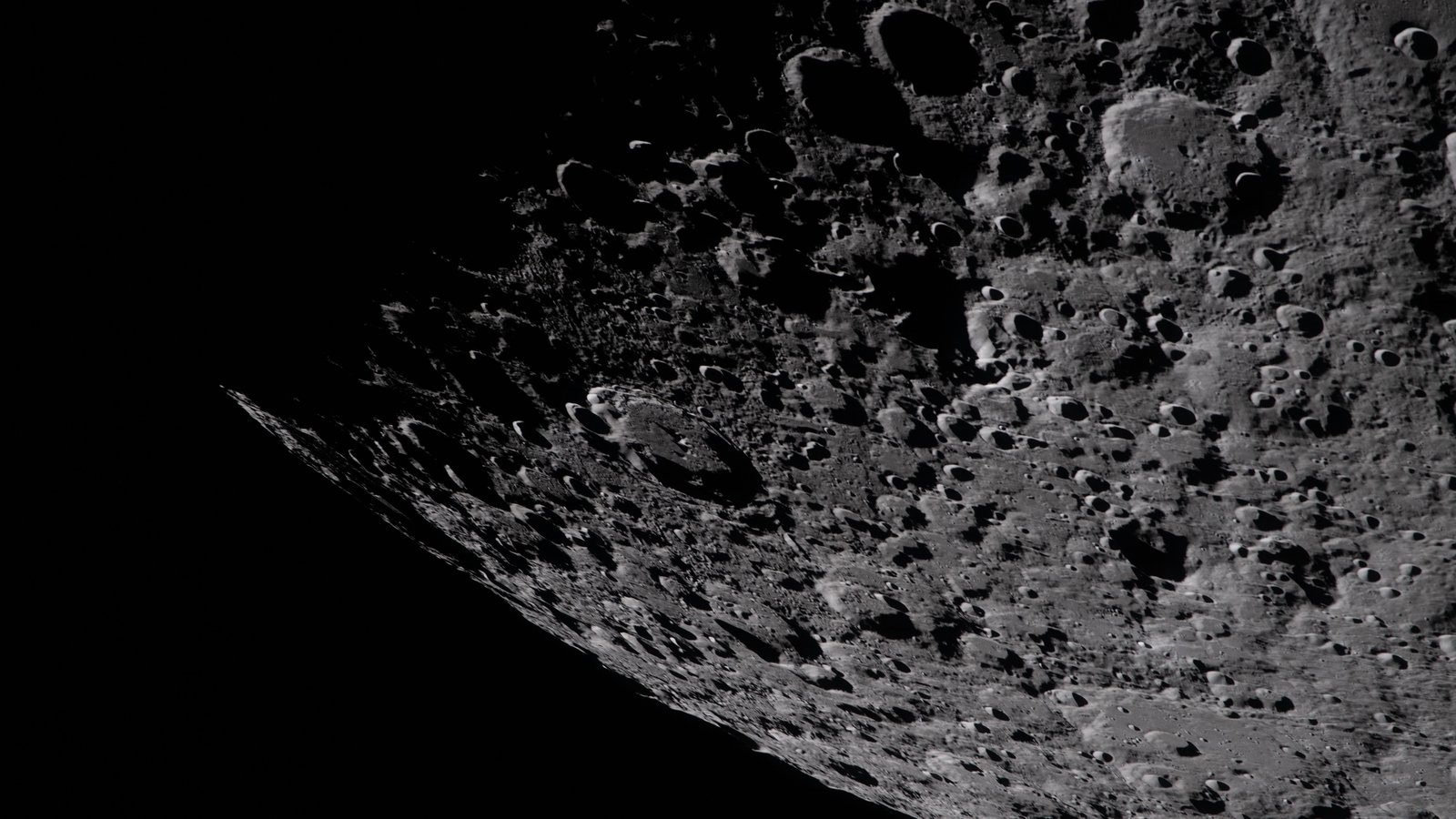
NASA wants its first Artemis landing and its Moon Base near the lunar south pole. Here is why: ice hidden in craters that never see sunlight, ridges that stay lit for long stretches, and some of the oldest ground on the Moon. India's Chandrayaan-1 helped prove the ice is there.
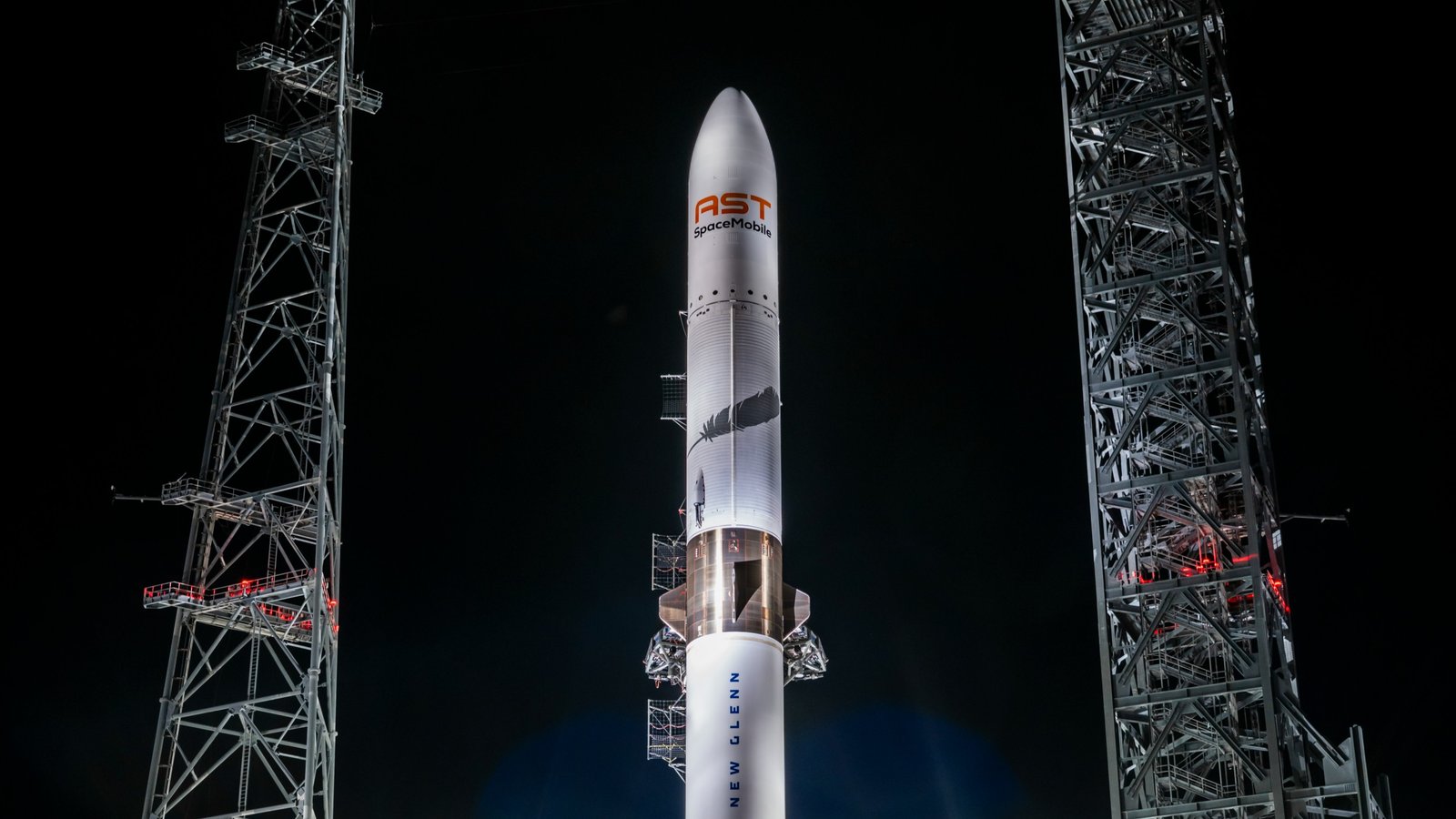
Blue Origin's New Glenn exploded during an engine test on 28 May 2026. Here is what went wrong, how the pad is being rebuilt, when it may fly again, why NASA's Artemis III depends on it, and how it compares with Starship.
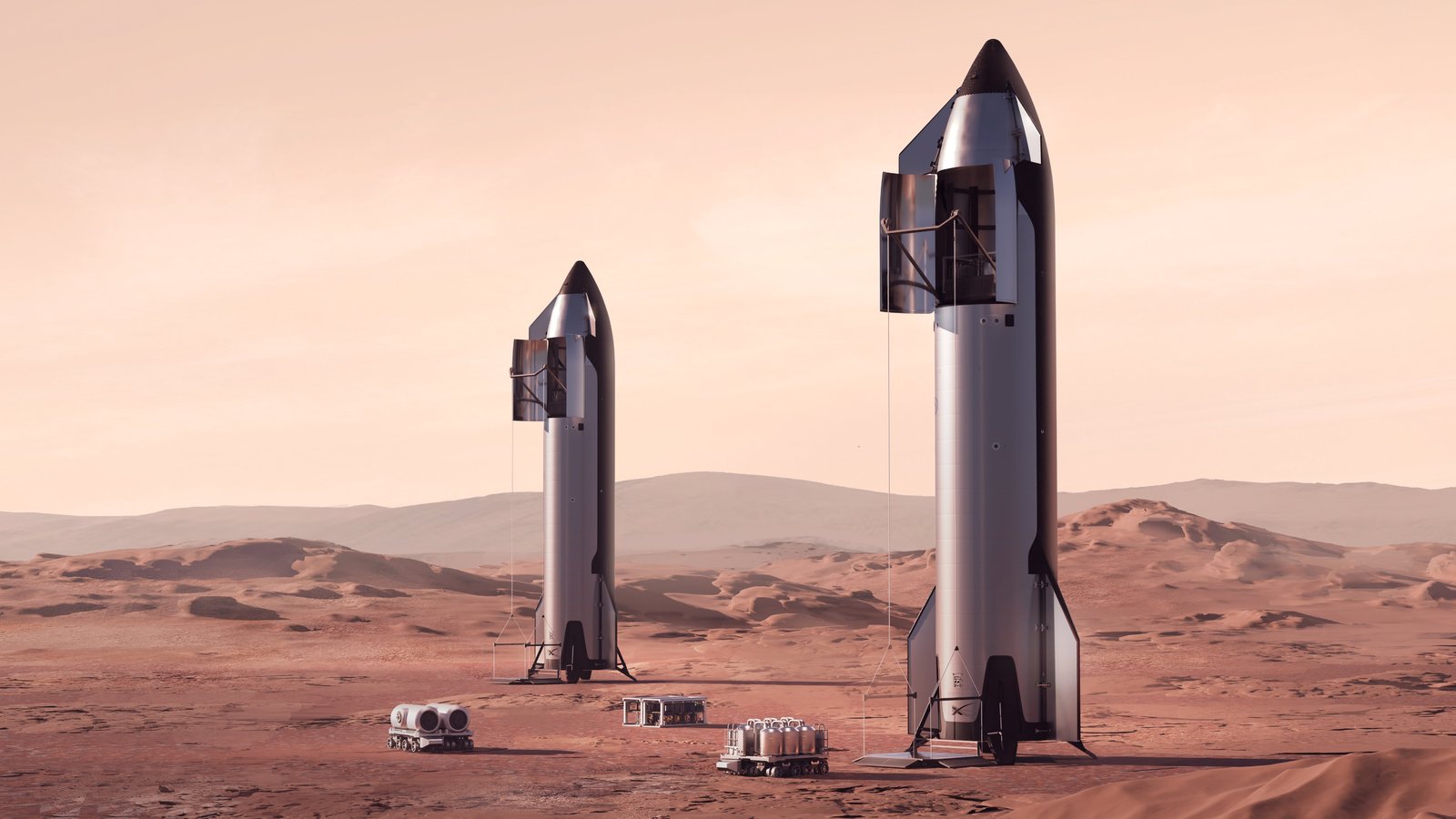
No. The 2026 Earth-Mars launch window is open now, but SpaceX has moved its focus to the Moon and says Mars cargo flights start no earlier than 2028. Here is what changed, and what has to happen first.
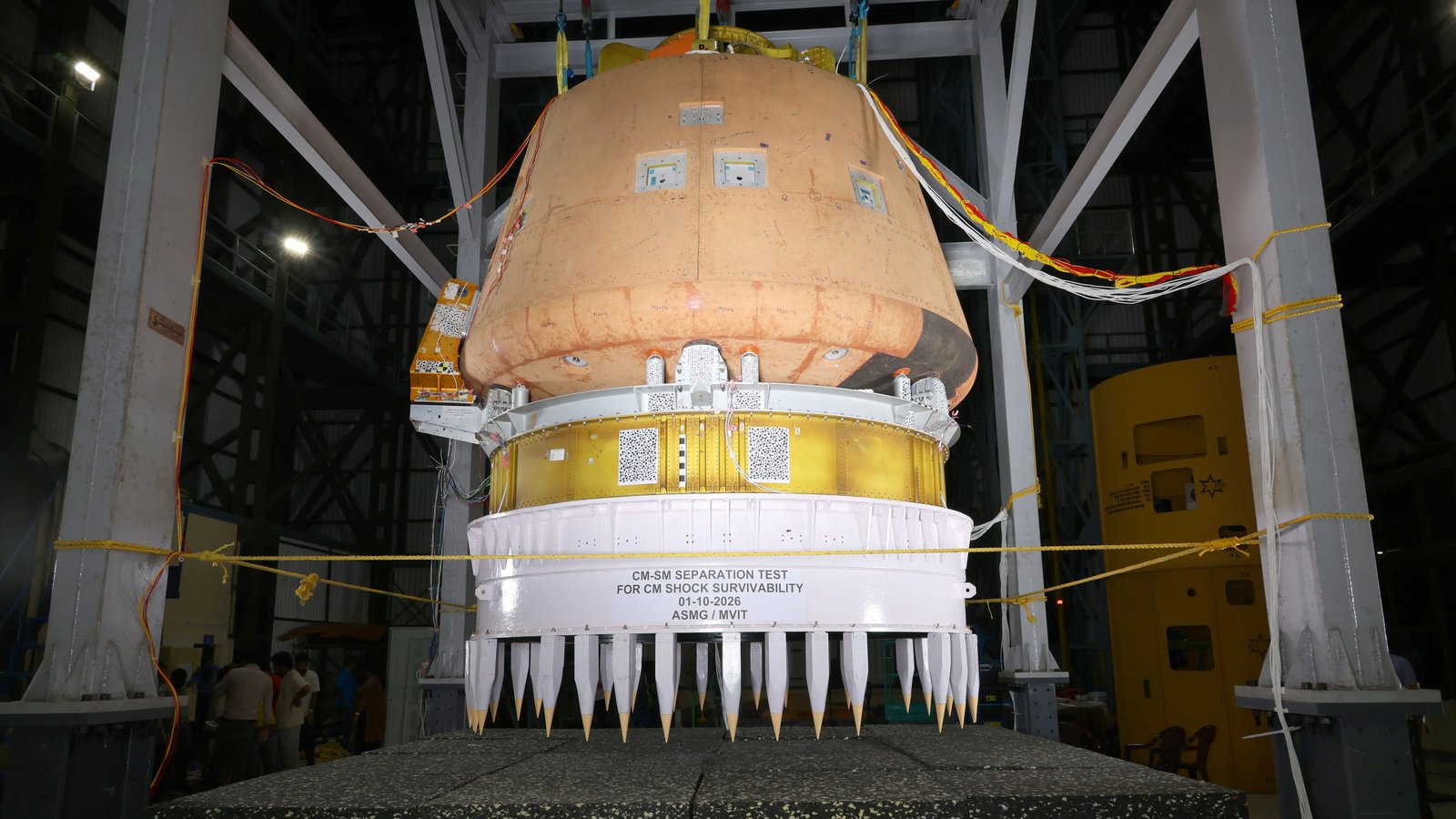
ISRO has not announced a launch date for Gaganyaan G1. Its chairman says the uncrewed flight is about two months away. Here is what G1 will test, the rocket it rides, and the four astronauts waiting for the crewed mission.
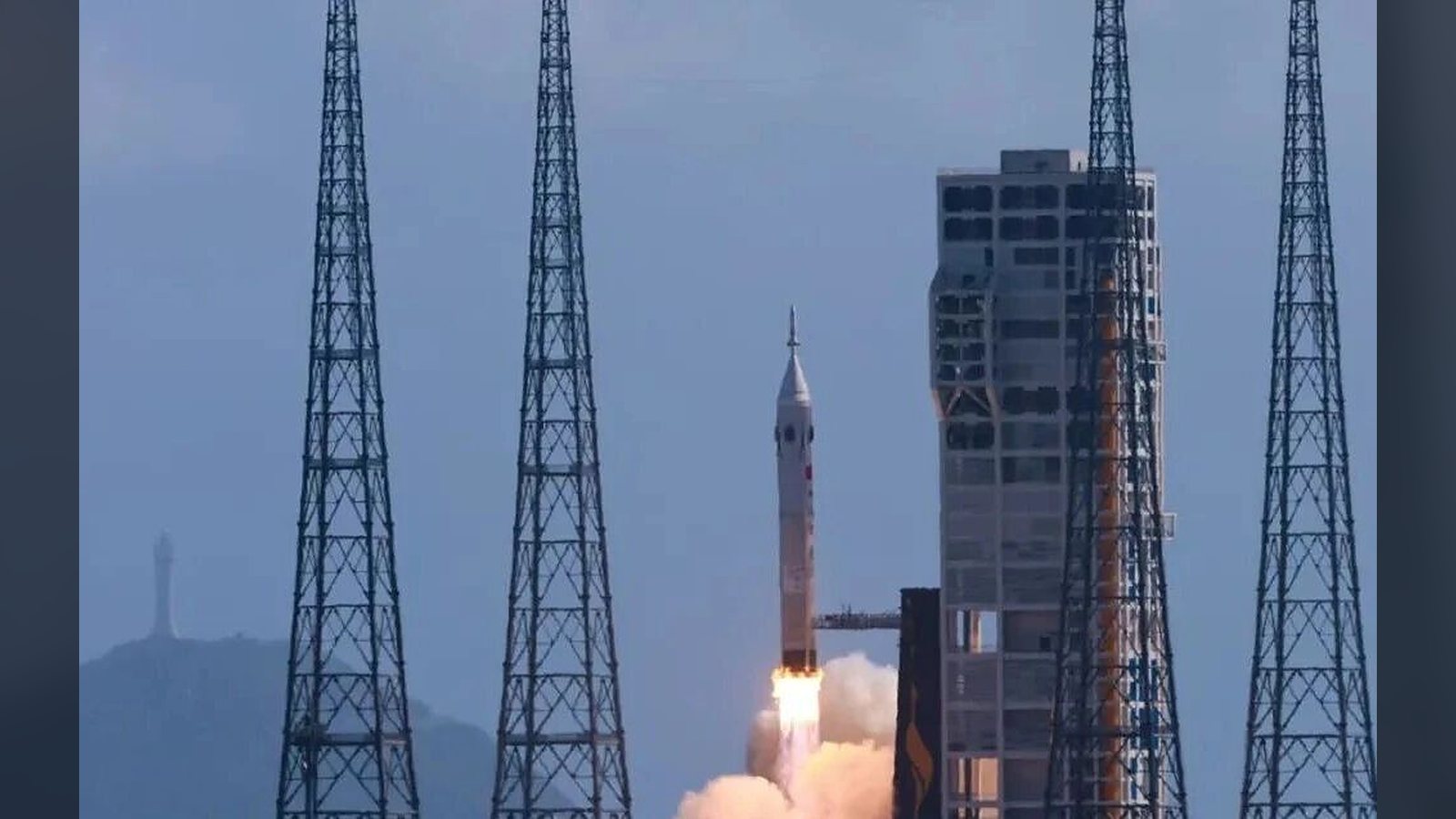
China plans to land two astronauts on the Moon before 2030. Two Long March 10 rockets launch a lander and a crew ship, which meet in lunar orbit. Here is the plan, step by step.
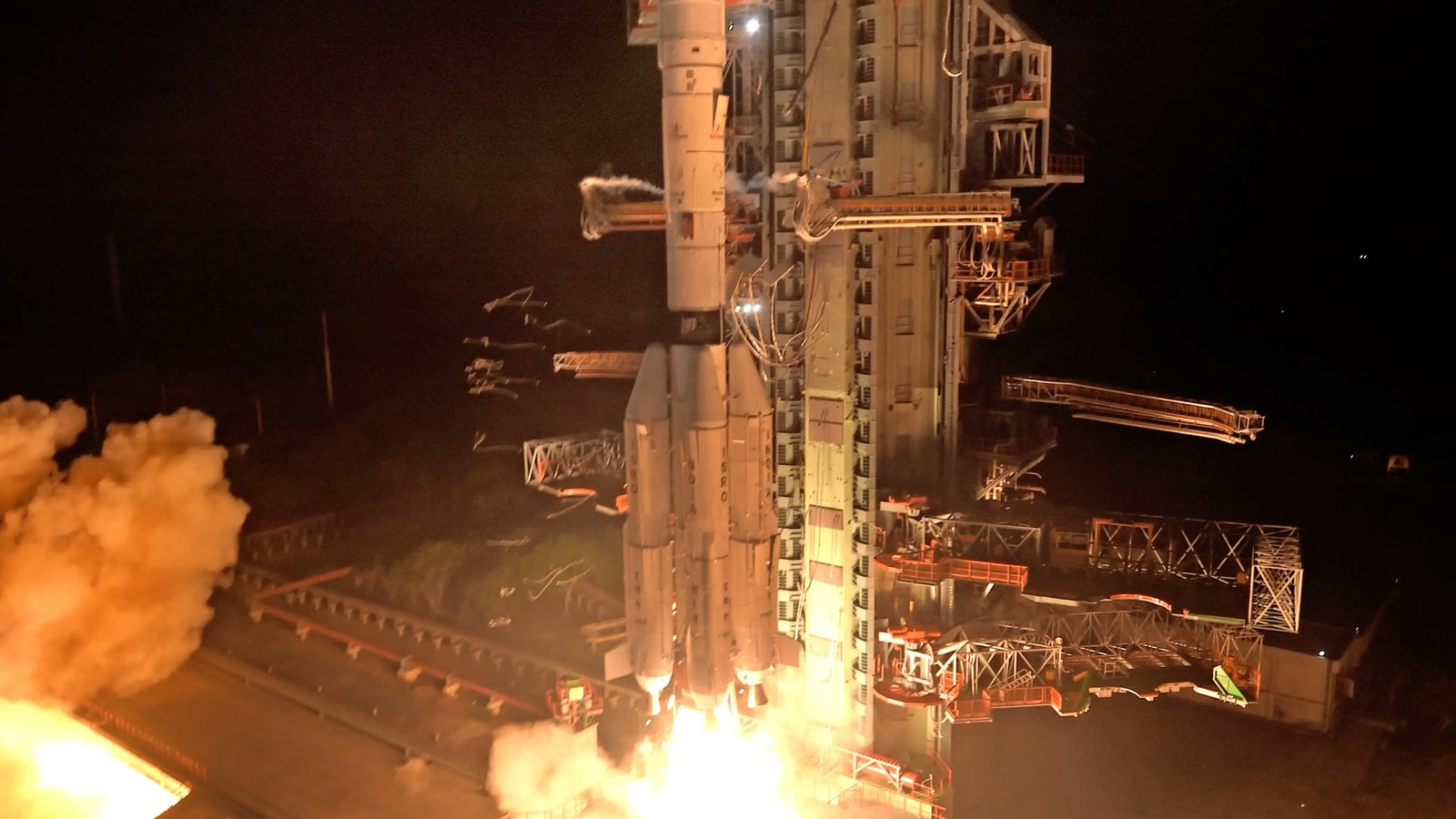
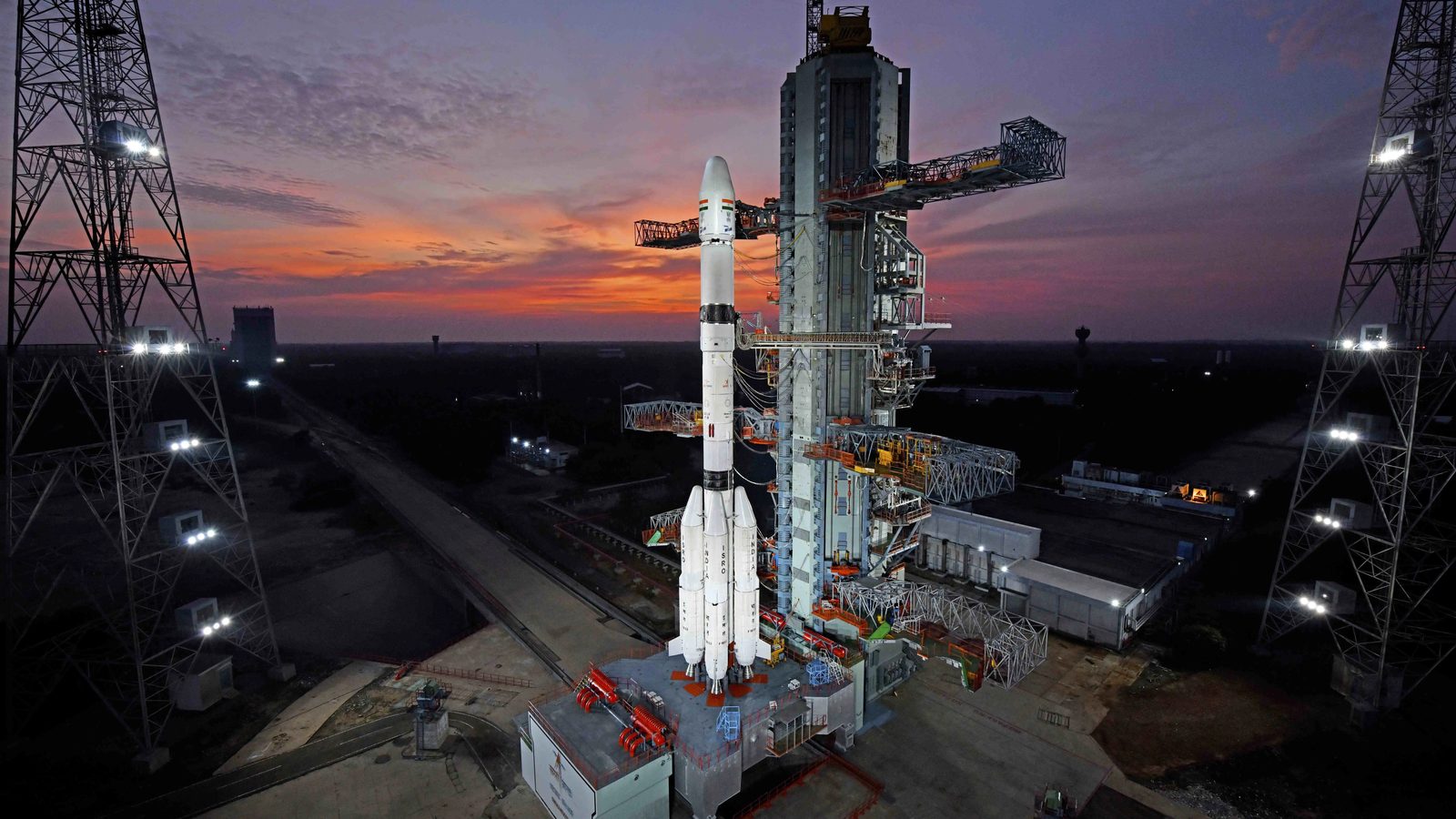
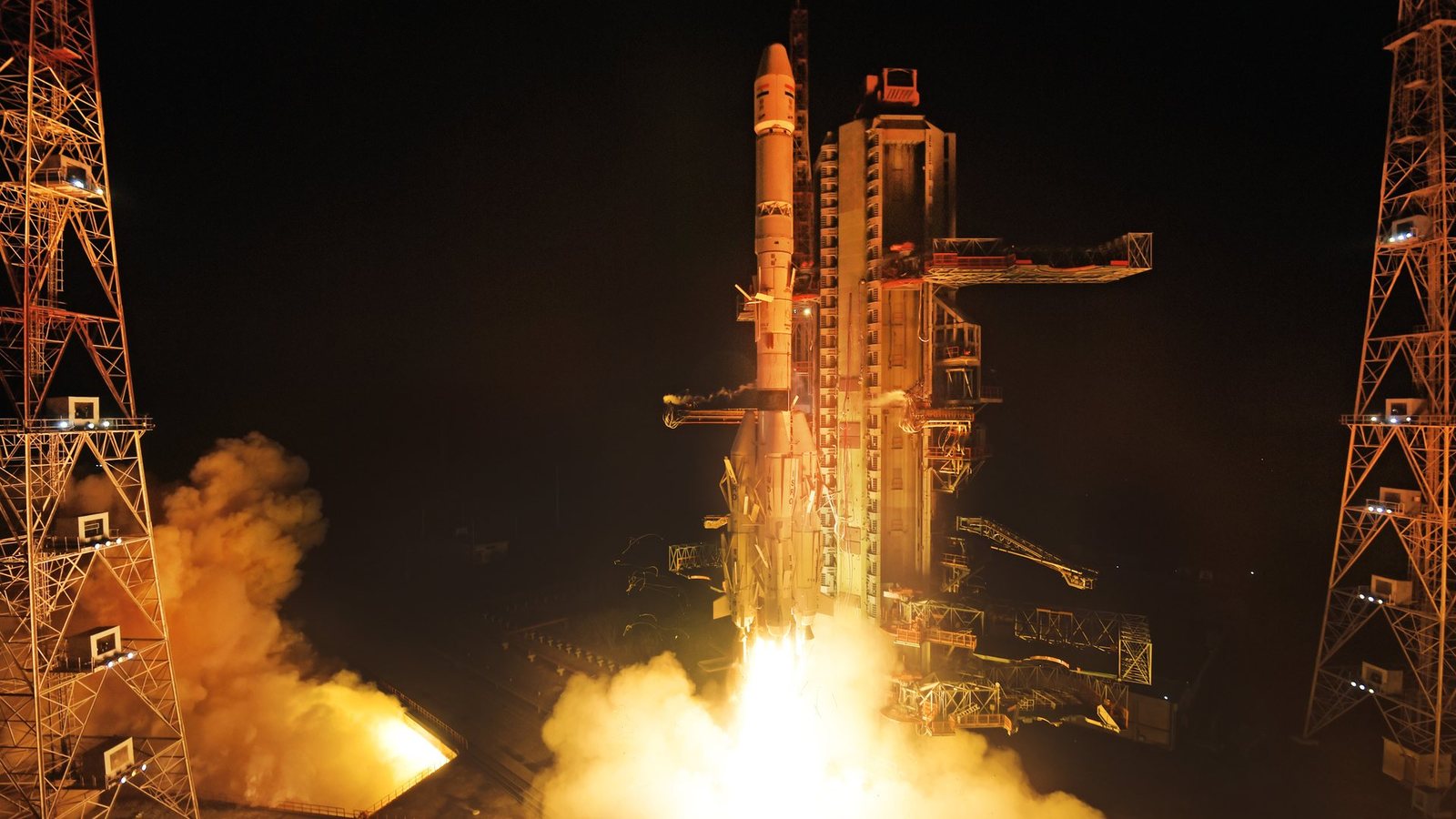
ISRO's GSLV-F18 launched from Sriharikota on the night of 30 October 2026 and placed the NVS-03 navigation satellite in a 170.3 x 38,080 km orbit. NVS-03's first orbit-raising burn worked on 31 October, ISRO said.
GSLV stands for Geosynchronous Satellite Launch Vehicle. What the name means, how GSLV Mk II differs from GSLV Mk III (now LVM3), and its launch record, from ISRO's own pages.
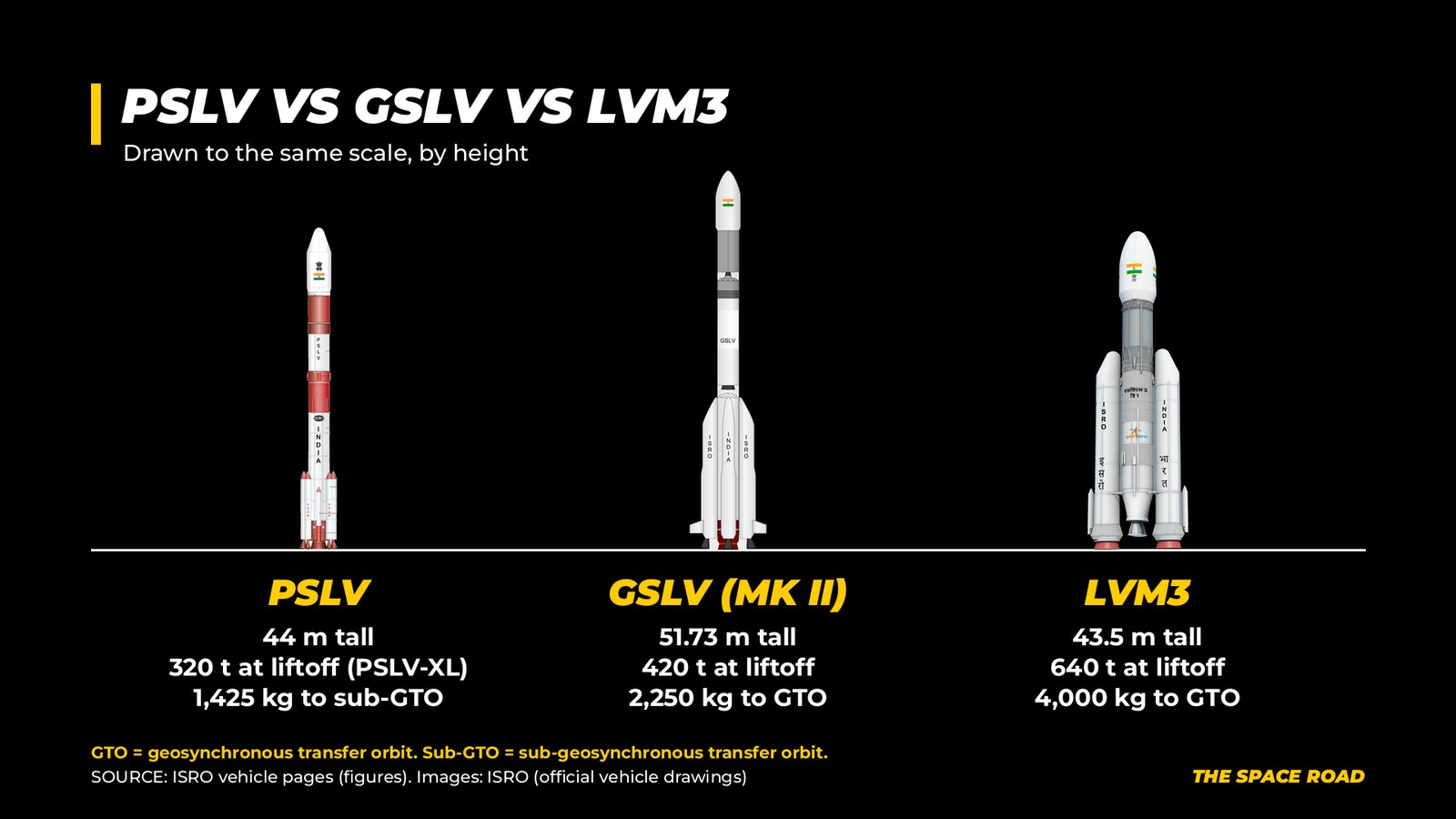
PSLV is ISRO's workhorse for lower orbits, GSLV carries 2-tonne satellites towards geostationary orbit, and LVM3 is the heavy lifter. Size, power and record compared, from ISRO's own figures.
Starship's booster flies back to its launch tower, and two giant arms catch it in mid-air. How the catch works, what has happened so far, and what SpaceX says Flight 15 will try.
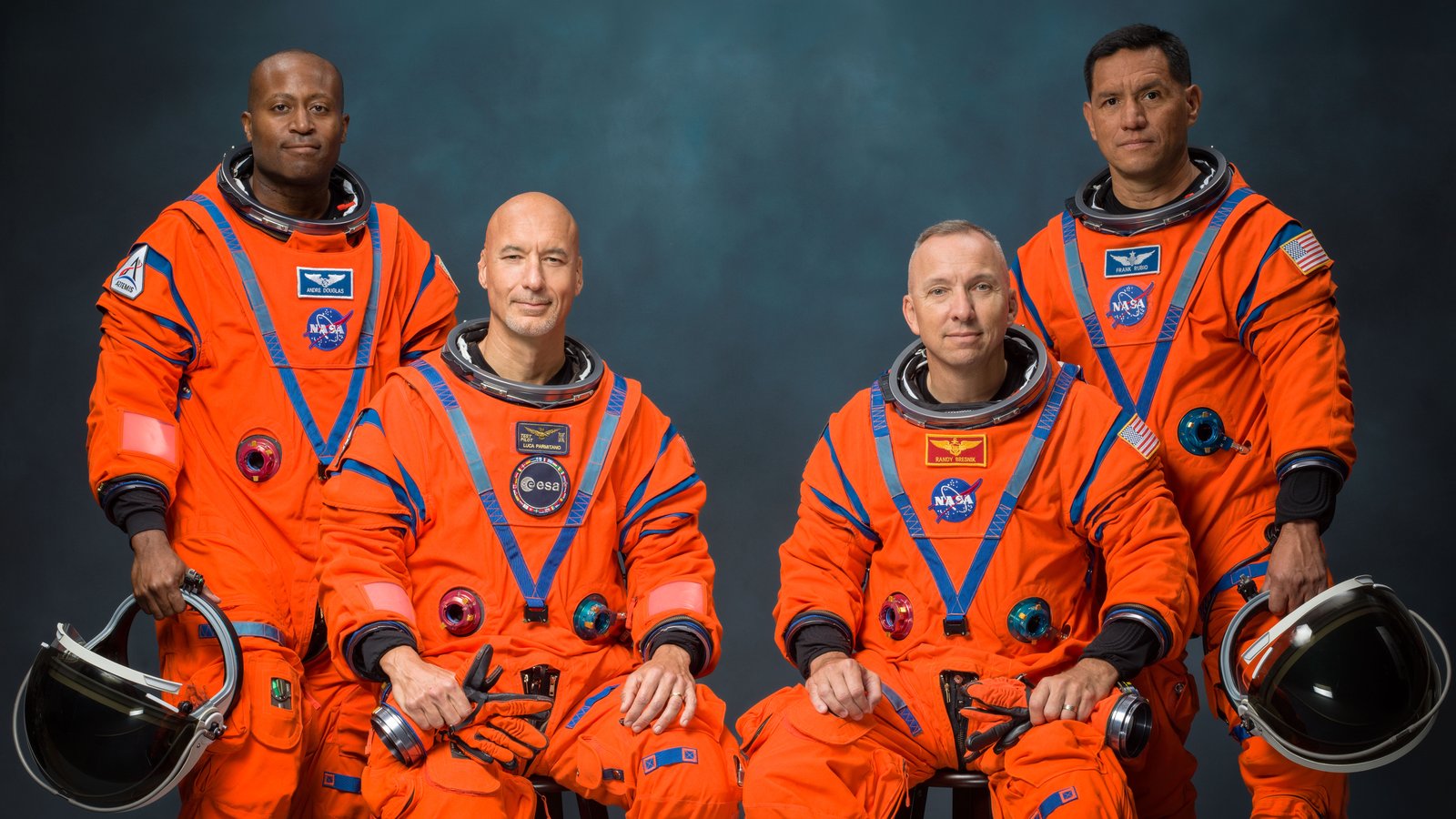
Artemis III is a planned 14-day Earth-orbit test in 2027, not a Moon landing. NASA has named four astronauts; Artemis IV targets the first landing in 2028.
Free newsletter
Every Sunday: the past week in spaceflight and what to watch next week, plus alerts when something big happens. Unsubscribe any time. Read past issues · Privacy